2025 Friends of Acadia Impact Report

Impact Report

A Gateway to Acadia’s Future
Jack Kelly

Dear Friends,

2025 was a year of long-planned achievements, meaningful progress, and resilience for Acadia National Park.

Last fall, we celebrated the opening of the new Acadia Gateway Center, a major step forward in sustainable transportation more than two decades in the making. The beautiful new center will give visitors an easier way to explore the park car-free by improving access to the Island Explorer shuttle, helping to reduce pressure on busy roads and parking areas in Acadia and surrounding communities.

Across the park, Friends of Acadia members and volunteers also helped advance important trail, habitat, and historic preservation projects. Hikers carried thousands of pounds of soil to fragile summit vegetation restoration sites. Volunteers and park staff restored historic carriage road vistas, reopening views that are part of Acadia’s remarkable cultural landscape. And generous supporters helped raise much-needed funds to help restore the Carroll Homestead, one of Mount Desert Island’s last remaining examples of 19th-century farm life and an important educational resource for local schools and thousands of park visitors.

We are deeply grateful to the Friends of Acadia community — members, local businesses, and community partners — who stepped up during last fall’s government shutdown to help support Acadia National Park. At a time when most park staff were furloughed, visitor services were disrupted, and entrance fees could not be collected, this outpouring of support helped sustain the park during one of its busiest seasons and demonstrated the strength of the community that cares so deeply for Acadia.

Thank you for standing with Acadia in moments of celebration and challenge. You’ll find more about these accomplishments, and many others, throughout this 2025 Impact Report.

With gratitude,

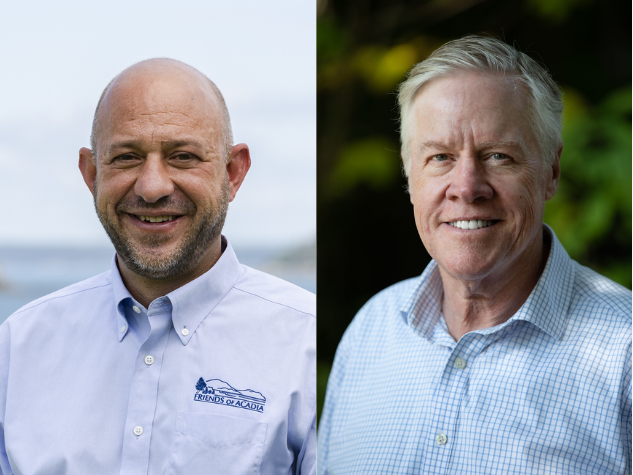
Eric Stiles, President and CEO, and Bill Eacho, Chair of the Board of Directors

“I feel so grateful to have the park in my life, and I want that to continue, not just for us, but for our son and everyone who comes here.”

Vassar Pierce
Member and Former Friends of Acadia Ridge Runner

Our Impact

Friends of Acadia works with Acadia National Park to identify places and projects where our effective mix of private philanthropy, volunteerism, innovative leadership, and strong partnerships most benefit the park’s critical needs.

ACADIA
EXPERIENCE

Enhancing the Visitor Experience While Protecting Our Resources

The Acadia Gateway Center Opens

Decades of planning and persistence came to life last September with the soft opening of the newly completed Acadia Gateway Center, a new transportation and visitor welcome hub on Route 3 in Trenton. The center gives visitors a convenient place to park, purchase a park pass, learn about Acadia and the Downeast region, and board a fare-free Island Explorer bus before reaching the park’s busiest areas.

The facility includes free day-use parking for 300 vehicles, including 18 EV charging spaces, along with access for the Island Explorer and commercial tour buses. Its 11,000-square-foot information center features a National Park Service information desk, regional tourism resources, retail space, restrooms, and a transportation waiting area.

The Gateway Center is a key part of Acadia’s long-term strategy to reduce traffic congestion and improve the visitor experience, and it has been a Friends of Acadia priority for more than two decades. Since 2004, Friends of Acadia has helped advance the project by facilitating the purchase of the land, contributing $1 million toward construction of the visitor center and transit hub, and donating $225,000 to help install solar panels.

Read more about how this new facility will help improve the visitor experience while mitigating the impact of visitation.

Acadia Experience

Highlights

What Member Support Made Possible in 2025:

  • Preserving the Carroll Homestead: Friends of Acadia’s annual Paddle Raise raised more than $200,000 to help restore the Carroll Homestead, a rare surviving example of 19th-century farm life on Mount Desert Island. These funds will help preserve the wooden farmhouse through needed structural stabilization and repairs, including work on the foundation, framing, roofing, and exterior siding to prevent further deterioration of this important historical and educational site.
  • Island Explorer Bus System: The fare-free Island Explorer bus system, supported by Friends of Acadia through grants from L.L.Bean, carried 506,868 passengers last year, a 2 percent increase over the previous year. By helping visitors explore Acadia without a car, the bus system removed an estimated 187,500 personal vehicles from park roads and reduced smog-causing pollutants by approximately 2.68 tons and greenhouse gas emissions by an estimated 1,774 tons.
  • A New Accessible Viewing Terrace at Bass Harbor Head Light Station: Thanks to member contributions, park visitors can now enjoy a stunning view of the lighthouse and ocean from a new accessible platform and see the mariner’s bell up close. As part of the multi-year restoration project, park crews also installed a new potable water well to serve the light keeper’s house and added solar-powered exhaust fans to the public restrooms. Built in 1858 to guide mariners safely along the rocky southwestern coast of Mount Desert Island, Bass Harbor Head Light remains one of Acadia’s most beloved historic landmarks.
  • Earth Day Roadside Cleanup: 206 dedicated volunteers showed up in the rain to participate in Friends of Acadia’s annual Earth Day Roadside Cleanup, collecting more than 372 bags of trash along over 40 miles of roads in communities surrounding the park.
  • Summit Stewards Visitor Engagement: Friends of Acadia’s seasonal Summit Stewards connected with 34,195 visitors, helping improve the visitor experience while protecting Acadia’s fragile landscapes. As part of that work, they engaged 10,550 people with guidance on Leave No Trace principles and ways to minimize recreational impacts. Summit Stewards also spent 35.5 hours assisting with search-and-rescue efforts and helped 84 visitors who needed water or basic first aid.
  • Trail Safety and Navigation: To protect trail integrity and visitor safety, Friends of Acadia’s Summit Stewards dismantled 867 misleading rock stacks and repaired 822 cairns that mark safe hiking routes throughout Acadia.
  • Visitor Experience Research: Member funding supported important research on how visitors move about the park, including trail and traffic counters and visitor surveys. This year’s research focused on visitor use at the Beehive Trail, Eagle Lake boat launch, Fabbri Picnic Area, peregrine closure areas, the newly opened Acadia Gateway Center, Jordan Pond parking areas, and e-bike use on the carriage roads—providing data to inform park planning and management decisions.
  • Schoodic Woods Campground Maintenance: Friends of Acadia’s Schoodic Woods endowment supports ongoing maintenance and repairs at the Schoodic Woods campground.
  • Transportation Improvement Designs: Friends of Acadia facilitated conceptual designs for projects to improve traffic safety and parking at Jordan Pond and Eagle Lake. This work is part of Acadia National Park’s long-term transportation plan.
  • Project Management Position: Friends of Acadia funded a project management position embedded in Acadia National Park to support the park’s capacity for large-scale infrastructure projects, including the White Birches campground and the Bass Harbor Head Light restoration.

“The Gateway [Center] is expected to be used by nearly 300,000 visitors, who last year supported more than 14,000 jobs and contributed more than $610 million in wages in this region alone. This facility will safeguard Acadia National Park as the treasure that it has always been by making the visitor experience smoother, more accessible, and more sustainable.”

Janet Mills
Maine Governor

Wild
Acadia

Protecting Acadia’s Natural Resources and Preparing for Climate Change

Volunteers Help Restore Acadia’s Fragile Peaks

In 2025, Friends of Acadia, Acadia National Park, and Schoodic Institute continued to grow the Save Our Summits program, an inspiring volunteer-powered effort to restore fragile summit vegetation on Sargent and Penobscot Mountains.

Acadia’s open granite summits are home to about 145 plant species, many of them rare and more commonly found farther north or at higher elevations. But these hardy plants face enormous pressure from millions of visitor footsteps. When hikers wander off trail, low-growing vegetation can be damaged or destroyed, leaving soil exposed to wind and rain. Without soil, native plants cannot return.

Save Our Summit offers a hands-on solution. Volunteers carry five to 25 pounds of sterilized soil in their packs, hiking from the base of the mountain to restoration sites high above sea level. Once delivered, that soil is used by park and Schoodic Institute restoration crews to rebuild damaged areas, test restoration methods, and support the return of native summit plants.

Since the program began as a one-day “hike-a-thon” in 2023, it has grown into a regularly scheduled volunteer experience. In 2025, the program expanded further with twice-weekly hikes and the addition of volunteer leaders, who help welcome participants and increase the program’s capacity.

In 2025, staff and 264 volunteers carried more than 5,000 pounds of soil to the summits of Sargent and Penobscot, resulting in 51 new restoration sites and nearly 53 square meters of restored habitat.

Since the program’s start, more than 700 volunteers have carried more than 13,000 pounds of soil, helping restore 151 square meters of summit habitat. Together, these “Soil Heroes” are protecting some of Acadia’s most iconic—and most vulnerable—places.

Read more about how volunteers are helping support restoration work on Acadia’s peaks.

Wild Acadia

Highlights

What Member Support Made Possible in 2025:

  • Boreal Blueberry Restoration on Cadillac Mountain: In addition to the summit restoration work on Sargent and Penobscot, 22 restoration plots were established on Cadillac Mountain to protect and restore boreal blueberry, a rare plant in Acadia that is designated as a species of special concern by the State of Maine. Since 2016, Acadia National Park and Schoodic Institute, supported by funding from Friends of Acadia, have restored 29 square meters of vegetation on Acadia’s highest peak.
  • Invasive Species Management and Research: Crews surveyed 35 acres in Bass Harbor Marsh, removed glossy buckthorn across the 116-acre Great Meadow complex, and gathered native seeds to be used for vegetation restoration.
  • Wild Gardens of Acadia: Member support funded a supervisory gardener and seasonal intern and helped make possible the contributions of 44 dedicated volunteers, who gave more than 1,400 hours to care for and interpret the garden’s 400 native plant species. This unique educational resource serves as a living field guide to Acadia’s plant life, showcasing native species and habitats from across the park.
  • Bass Harbor Marsh Mapping and Co-Stewardship: In Bass Harbor Marsh, Acadia’s largest salt-marsh system, member support helped fund high-resolution drone mapping to assess marsh conditions, better understand how the marsh may adapt to sea-level rise, and guide future restoration planning. Co-stewardship workshops with Wabanaki scientists and plant gatherers deepened understanding of sweetgrass ecology and directly informed restoration priorities.
  • Great Meadow Biodiversity Monitoring and Infrastructure Preparation: Teams surveyed the Great Meadow, Acadia’s largest freshwater wetland, to document native species and monitor water levels. These data will provide essential baselines for evaluating ecological changes after a new culvert is installed in 2026. The larger culvert is designed to improve water flow through the wetland, reduce the duration of flooding, and ease stress on the native wetland ecosystem.
  • Great Meadow Data Analysis and Visualization: For several years, Schoodic Institute, the National Park Service, and Friends of Acadia have collected data on Great Meadow’s vegetation, hydrology, land use, and birdlife. Last year, Friends of Acadia supported a new data visualization that brings these datasets together, helping researchers, park managers, and the public better understand how the wetland has changed and how the new culvert is expected to improve its health. View the Great Meadow StoryMap here.
  • Water Quality Monitoring at Jordan Pond: Member support continues to fund the real-time water quality monitoring buoy on Jordan Pond, one of Acadia’s most popular destinations and a drinking water source for the town of Mount Desert. Data collected by the buoy help scientists and park managers identify potential threats and track long-term changes in water conditions that may impact clarity and aquatic ecosystems.
  • Streamflow Monitoring at Otter Creek: In collaboration with the U.S. Geological Survey and the National Park Service’s Northeast Temperate Inventory and Monitoring Network, Friends of Acadia continued to co-fund the Otter Creek streamflow gauge, an important reference point for hydrology research throughout the region.
  • Bird Monitoring: Friends of Acadia supported songbird monitoring in the Great Meadow and gull population research on Acadia’s outer islands, including monitoring for highly pathogenic avian influenza.
  • Bear Research: Friends of Acadia supported research into bear populations and activity in Acadia, including strategies for mitigating potential human-wildlife conflicts at the Schoodic Woods campground.

“The formation of the park relied on individuals within the community coming together and making a difference. The same can be said about the teams and our work in the Great Meadow.”

Dianna Sproul
Acadia National Park Volunteer Coordinator

Tomorrow's Stewards

Inspiring the Next Generation of Stewards

Taking It Outside

Friends of Acadia’s Outdoor Classroom grants help teachers create outdoor learning spaces and hands-on experiences that connect students with nature, their communities, and Acadia National Park. Last year, Friends of Acadia awarded 12 Outdoor Classroom grants to Maine schools, supporting projects that reflect each school’s needs—from trails and gardens to maple sugaring, cycling, and outdoor learning spaces.

At Deer Isle-Stonington, grant funding has helped build outdoor classrooms along a nature trail between the middle and high schools, where students study seasonal change, write in journals, observe wildlife, and learn across subjects under the tree canopy. With support from Friends of Acadia’s Yellow Bus Fund, students also travel by ferry to Isle au Haut for ranger-led programs in a remote section of Acadia that many had never visited before.

At Ellsworth Elementary-Middle School, grants supported school gardens, trail tools, and an apple press—giving students hands-on opportunities to grow food, explore sustainability, and build connections to Maine’s outdoors. Additional funding helped purchase bicycles to close a gap in the school’s bike fleet, creating access to cycling from pre-K through high school and opening the door to rides on Acadia’s carriage roads.

Since the Outdoor Classroom grant program began in 2017, Friends of Acadia has supported 54 projects in 36 total schools spread across 11 of 16 counties in Maine, including all three Wabanaki Tribal schools. While the majority of participating schools are concentrated in Downeast Maine, the grant successfully connects students from around the state to Acadia National Park.

Together, these grants help students learn, explore, and build confidence outside, while strengthening lifelong connections to Acadia and the natural world.

Learn more about outdoor classroom projects made possible by Friends of Acadia members.

Tomorrow's Stewards

Highlights

What Member Support Made Possible in 2025:

  • Schoodic Education Adventure (SEA) Programs for Maine Students: Friends of Acadia and L.L.Bean helped 520 middle school students from 29 schools participate in Schoodic Education Adventure programs—immersive, multi-day, field-based learning experiences offered by Acadia National Park educators at the Schoodic Education and Research Center. Last year’s program was cut short by Acadia staff furloughs connected to the fall federal government shutdown.
  • Educational Programming: Education Rangers, supported in part by Friends of Acadia, helped the park reach more than 13,000 additional students and parents through in-person and virtual learning programs. This included 3,230 students on in-park field trips, 2,079 participants in virtual programs, 7,250 people through summer school activities and family programs, and more than 800 additional in-park visitor interactions. Friends of Acadia funding also supported staff time for Education Rangers to work with 65 teachers through seasonal workshops.
  • Raptor Intern: Friends of Acadia funded a six-month seasonal position in partnership with Acadia National Park and the Student Conservation Association. The position combines scientific fieldwork and public outreach, helping monitor Acadia’s bird populations and educate visitors about raptor conservation through the park’s Peregrine Falcon and Hawk Watch programs.
  • Connecting Teachers with Acadia: Friends of Acadia funded seven Acadia Teacher Fellows from across the U.S. who spent the summer developing and sharing outdoor learning strategies and lesson plans connected to national park themes. In addition, Acadia’s Outdoor Teacher Collaborative — a program for educators in communities surrounding the park — expanded significantly, welcoming 44 local teachers.
  • Acadia Youth Conservation Corps and Interns: The Acadia Youth Conservation Corps program was affected by last year’s two-month seasonal hiring freeze and was canceled for the 2025 season. In its place, funds from the Acadia Youth Conservation Corps endowment supported Student Conservation Association interns working in Acadia, who helped advance carriage road vista clearing efforts.

“Being outside opens the gateway to curiosity. If you tell students to look for birds and write them down, that’s not nearly as effective as them making their own discoveries. They come out with hand lenses, and they get right up on the bark of a tree. They love scientific tools. They’re out here being scientists."

Martha Bell
An environmental educator who works with teachers at Deer Isle-Stonington, one of last year's Outdoor Classroom Grant recipients

TRAILS AND CARRIAGE ROADS

Preserving and Protecting Acadia’s Most Beloved Cultural Resources

Reclaiming Acadia’s Historic Carriage Road Vistas

With support from Friends of Acadia’s Carriage Road Endowment and the hands-on efforts of stewardship volunteers, Acadia National Park worked on 43 historic carriage road vistas last year, reopening beautiful views of the park’s natural and cultural landscapes.

Acadia’s carriage road vistas were intentionally designed in the 1920s and ’30s alongside the historic carriage road system by John D. Rockefeller Jr., working with renowned landscape architect Beatrix Farrand and a team of local engineers and designers. Some were created to reveal sweeping views of lakes, mountains, meadows, and the Atlantic Ocean, while others offer more subtle glimpses of stone bridges, wetlands, and carefully framed features beyond the trees.

Because landscapes continually grow and change, these historic views require ongoing care. Last year, under the guidance of park staff, Friends of Acadia stewardship volunteers helped restore 12 of these vistas over eight volunteer days—trimming branches, clearing brush, and hauling material to renew views at Bubble Pond, Chasm Brook Bridge, Around the Mountain Loop, Gilmore Meadow, Breakneck Pond, and other locations.

The work is both practical and artful. Guided by Acadia’s 2023 Vista Management Plan, crews and volunteers worked to honor the original design intent while protecting the surrounding ecosystem. With 182 documented vistas along Acadia’s 45 miles of carriage roads, this renewed effort is helping preserve a defining part of the carriage road experience for today’s visitors and future generations.

Read more about the history and ongoing work to maintain Acadia’s historic carriage road views.

Learn more about Friends of Acadia’s support for Acadia’s trails and carriage roads.

Trails and Carriage Roads

Highlights

What Member Support Made Possible in 2025:

  • Early-Season Trail Repairs: Each spring, Acadia’s trail crew repairs damage caused by winter weather and prepares the park’s trails for the busy season ahead. Last year, the trail team spent roughly 400 hours on early-season repairs across the park, including wall repairs on the Jordan Pond Loop and at Thunder Hole, rail system replacements on the Spring Trail, ledge repair on the Bowl Trail, and continued maintenance of the beloved Ocean Path. Trail rehabilitation and maintenance aref supported by Friends of Acadia’s Acadia Trails Forever endowment and member support.
  • North and South Bubble Trail Rehabilitation: Several sections of the North and South Bubble Trails received significant repairs last year. Trail crews repaired nearly 80 feet of failing timber cribbing near the summit of South Bubble and completed work begun in 2024 on the Bubbles Divide, installing 30 additional steps (300 total including 2024 work), retaining walls, coping stones, and roughly 20 log checks. Crews then moved farther downhill to address drainage problems that had caused hikers to step off trail, widening the corridor and increasing impacts to surrounding vegetation. (Read more about the Bubbles Divide restoration project.)
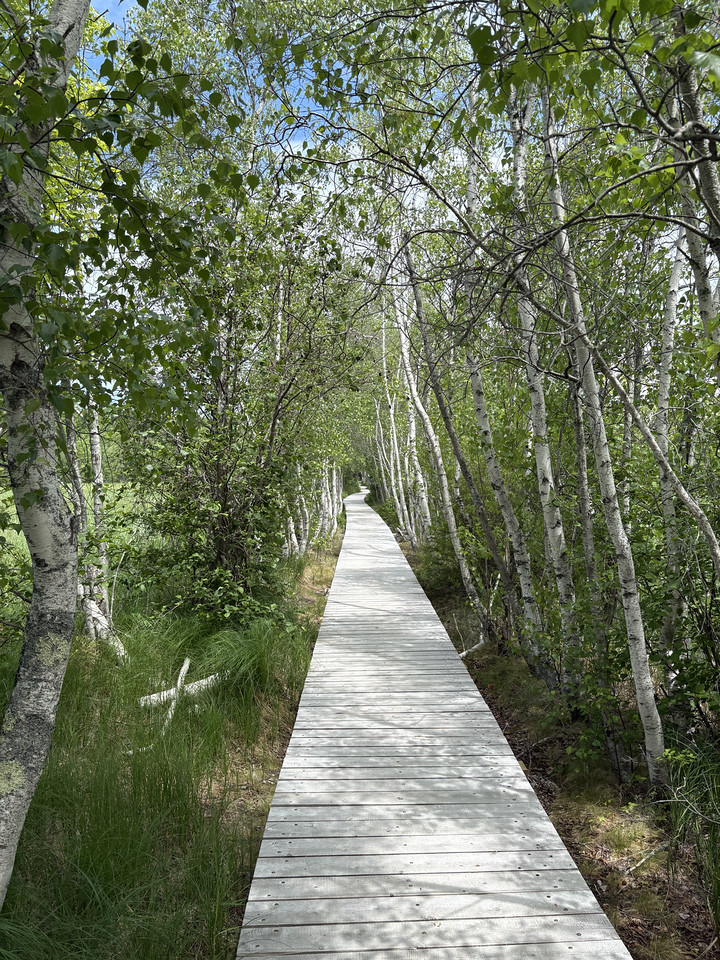
  • A New Accessible Boardwalk on the Hemlock Path: Working with park staff, volunteers installed a 500-foot raised cedar boardwalk on Hemlock Path, which crosses the Great Meadow. The new boardwalk improves visitor access while supporting ongoing wetland restoration by allowing water to flow freely beneath the trail.
  • Hunters Beach Trail Restoration: Acadia trail crews and volunteers constructed new timber cribs, stone staircases, gravel causeways, and boardwalks over the roughly 1,100-foot trail.
  • Great Meadow Loop and Kebo Brook Trail Improvements: Crews from Acadia and the Appalachian Mountain Club continued a multi-year restoration of the Great Meadow Loop and added a new ADA-compliant section of Kebo Brook Trail. The Great Meadow Loop is one of several Village Connector trails that link town centers with Acadia, improving car-free access to the park.
  • Carriage Road Maintenance: Acadia’s carriage road crew, supported by Friends of Acadia’s endowment, spread 150 tons of material to repair washouts and grade five miles of carriage roads, helping maintain safe, high-quality surfaces. The team also cleaned culverts and four miles of ditches to improve drainage and prevent future washouts. This work was supported by heavy equipment, including dump trucks and excavators, donated to the park through the 2024 Paddle Raise.
  • Carriage Road Bridge Upkeep: Park masons inspected and repaired historic masonry on Duck Brook Bridge, West Branch Jordan Stream Bridge, and Jordan Pond Bridge, using historically accurate masonry mortar.
  • Trail and Carriage Road Volunteers: More than 421 drop-in and service group volunteers donated a remarkable 4,608 hours to maintaining and improving Acadia’s trails and carriage roads last year, despite an early end to the volunteer season caused by the federal government shutdown. The shutdown also forced Friends of Acadia to cancel the annual fall Take Pride in Acadia Day, the organization’s largest volunteer event of the year. In addition, an expert group of trail volunteers, including former Acadia trails foreman Gary Stellpflug, contributed 940 hours working directly with the park.
  • Grooming Carriage Roads for Skiing: Volunteers with Friends of Acadia’s Acadia Winter Trails Association spent more than 172 hours grooming Acadia’s carriage roads for classic and skate skiing during the 2024-2025 winter season.

Seasonal
Employee Housing

Building a Bright Future for Acadia

Welcoming Seasonal Workers to New Housing

A thriving park. A high-quality visitor experience. Protection of Acadia’s precious natural resources. A safe and welcoming place that is accessible to all. A cherished sense of community.

These things are all powered by the very best seasonal employees Acadia National Park and its partners can hire. Unfortunately, in recent years, hiring that seasonal team has been hampered by a severe lack of attainably priced housing.

Friends of Acadia responded to this need by launching a multi-faceted housing effort that included several construction and renovation projects, powered in part by a $10 million philanthropic investment made possible by donors to the “Raise the Roof” campaign.

Last spring, seasonal employees moved into housing at three brand-new locations: an eight-bedroom housing complex at Dane Farm in Seal Harbor; six renovated, two-bedroom townhomes off Jordan River Road in Trenton; and a 13-pad RV camp at White Birches Camp in Southwest Harbor.

The new housing was fully occupied last season and proved critical during a challenging start to the year, when a two-month federal freeze on seasonal hiring delayed recruitment. Having quality housing available helped the park and its partners fill key roles quickly and welcome staff at a time when every position mattered.

These investments also supported seasonal employees working with Friends of Acadia and the fare-free Island Explorer bus system, a vital service that helps reduce traffic congestion and improve the visitor experience. Last year’s housing helped Island Explorer have one of its strongest hiring seasons in recent years, with employees staying at Jordan River Road, conveniently located near the new Acadia Gateway Center, as well as at White Birches Camp.

Together, these completed projects have added accommodations for up to 58 seasonal employees to date. And the work continues. Construction is underway on Acadia National Park’s largest housing project yet: a 56-bedroom facility at Harden Farm in Bar Harbor. Supported by the National Park Service’s Housing Improvement Program and Centennial Challenge Program, Friends of Acadia donors, and the National Park Foundation, the facility is expected to open for the 2027 season.

Get to know some of the seasonal staff who lived in this new housing last summer, and learn why housing is so critical to Acadia’s workforce.

"All of the seasonal staff living in this new housing, whether they work for the National Park Service, Friends of Acadia, or as an Island Explorer employee, are here for the same cause — to provide visitor experiences, to protect the park, and work together as this giant community of people for the greater good."

Kelby Youngburg
Friends of Acadia Summit Steward and Jordan River Road Resident

ACADIA FOR ALL

Helping to Make Acadia Welcoming and Accessible

Removing Barriers

Acadia National Park belongs to all of us. Friends of Acadia is helping more people experience, learn from, and care for this extraordinary place by supporting programs and projects that reduce barriers, expand access, and create more welcoming park experiences.

In 2025, Friends of Acadia supported 12 organized trips and events that brought groups from across Maine and around the country to explore Acadia, including a gathering of Girl Scout troops from rural Maine and Indigenous Peoples’ Day celebrations at the Abbe Museum. We also awarded Outdoor Classroom Grants to 12 local schools, helping educators create hands-on learning spaces where students can study science, conservation, and the natural world right on their school grounds.

In 2025, thanks to a generous lead gift by longtime Friend and supporter Bill Hudson, Friends of Acadia established a new endowment to expand programs that connect Wabanaki and other Tribal Nation youth with outdoor experiences, cultural learning, and career development opportunities in Acadia National Park.

Friends of Acadia also continues to support park projects that make trails, carriage roads, and iconic destinations more accessible for visitors with mobility challenges. Last year, this work included a new accessible viewing platform at Bass Harbor Head Light, a new boardwalk on Hemlock Path, a new ADA-compliant section of Kebo Brook Trail, and continued regrading and widening of the Great Meadow Loop.

In addition, Friends of Acadia continued to help expand awareness and use of the wheelchair-accessible horse-drawn carriage available by reservation through Acadia By Carriage at Wildwood Stables. Thanks to a generous grant from the Diana Davis Spencer Foundation, Friends of Acadia supported 34 accessible carriage rides last year, serving 94 passengers, including companions.

ADVOCACY

Making a Difference for Acadia Through Effective Partnerships and Actions

A Voice for Acadia

While 2025 brought its share of challenges, it also showcased the strength of proactive leadership, trusted partnerships, and sustained advocacy in protecting Acadia’s future. Supported by a dedicated government affairs lead, Friends of Acadia significantly expanded its engagement with policymakers, federal agencies, and national partners – ensuring Acadia’s priorities were heard and acted upon at the highest levels.

Throughout the year, Friends of Acadia advanced major initiatives that directly strengthened park operations, infrastructure, and the visitor experience. By working closely with Maine’s congressional delegation and national park partners, we elevated concerns about the federal hiring freeze and nationwide workforce reductions. This sustained advocacy helped secure seasonal hiring exemptions essential to visitor services, trail maintenance, and fee collection, supporting the continuity of core park functions.

When a federal budget proposal threatened the largest cut to the National Park Service in its history, Friends of Acadia responded with swift, coordinated advocacy. By partnering with national coalitions and drawing on strong relationships with key lawmakers, we helped build the momentum needed to protect park funding and played a role in securing stable federal appropriations for the National Park Service.

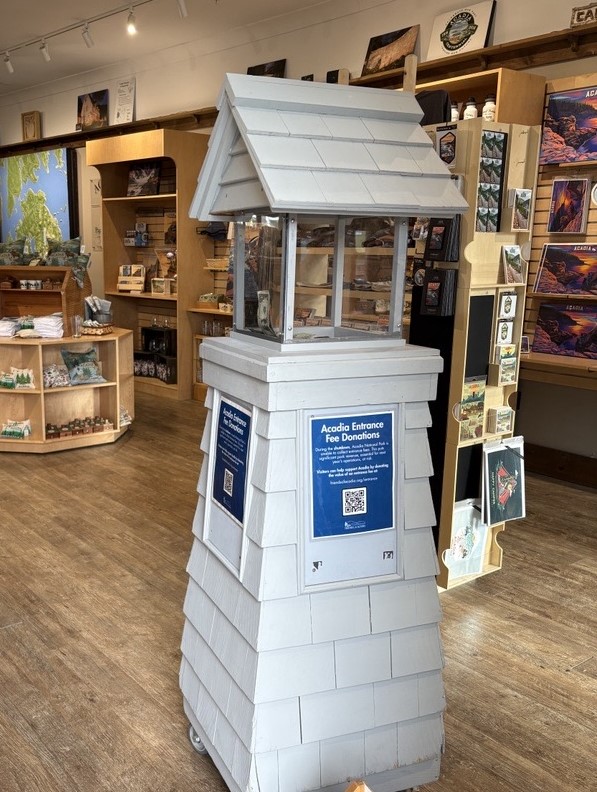
During the federal government shutdown, Friends of Acadia remained a steady, solutions‑oriented partner. We provided weekly briefings to Maine’s congressional delegation and local officials, documenting impacts on park operations, staffing, and gateway communities. Friends of Acadia encouraged visitors to make voluntary entrance‑fee‑equivalent donations and ensured Acadia’s priorities remained clearly visible to decision-makers throughout the shutdown.

Friends of Acadia also helped strengthen advocacy capacity across the broader parks community. Through leadership on the National Parks Friends Alliance Board and within its Government Relations and Affairs Working Group, our team fostered peer learning and provided guidance on coalition-building, government relations, and effective engagement with decision-makers, helping Friends groups nationwide navigate an increasingly complex policy landscape.

Together, these accomplishments highlight Friends of Acadia’s growing role as both a leading advocate for Acadia and an influential national voice for America’s parks and public lands.

(Photo caption, right: Friends of Acadia President and CEO Eric Stiles, Board Chair Bill Eacho, and Government Affairs Manager Veronica Torres, along with colleagues from Schoodic Institute, meet with legislators in Washington, D.C.)
Power of
Friends

THANK YOU, FRIENDS!

Acadia National Park is protected and enriched by the members, donors, and volunteers of Friends of Acadia. THANK YOU for all you give to this place we love so much.

Supporting the Park Through the Nation's Longest Government Shutdown

During the longest government shutdown in our nation’s history, Acadia National Park remained mostly open through one of its busiest seasons, but with significantly reduced staffing, closed visitor centers, and canceled programs. The park also was unable to sell passes or collect entrance fees, resulting in significant revenue loss for Acadia’s operations.

We are deeply grateful to the many local businesses and community members who helped share Friends of Acadia’s Entrance Fee Donation program with visitors. Their efforts gave those who could not purchase a park pass during the shutdown a way to support Acadia by donating the value of an entrance fee.

Thanks to this outpouring of support, close to $40,000 was raised for the park. To everyone who donated, posted flyers, spoke with visitors, and helped spread the word: thank you. Your care and partnership helped sustain Acadia during an uncertain time.

Stunning New Boardwalks Built by Expert Volunteers

This summer, a dedicated group of Acadia National Park trail volunteers helped transform the Hemlock Path with a new 500-foot raised boardwalk through the Great Meadow. Working alongside the park’s trail crew, volunteers Francis Hopcroft, Terese Miller, Mark Munsell, Bill Shaw, and Gary Stellpflug contributed hundreds of hours to build a trail that better protects the wetland while improving access for visitors.

The new boardwalk allows water to flow freely beneath the path, helping restore the natural hydrology of the Great Meadow. It also keeps the trail drier and more accessible after heavy rain, giving more visitors the chance to experience this beautiful part of Acadia.

These expert volunteers also worked on boardwalks and bridges along the Hunters Beach Trail, a project that will be completed this year. We are deeply grateful for their skill, care, and commitment to creating beautiful trails that serve both people and the natural environment.

By the Numbers

5,726
members
8,843
dedicated volunteer hours
  • $7.3 million in 2025
  • /
  • $56.7 million since 1986
Grants to the Park & Communities
180
SQUARE METERS OF SUMMIT
HABITAT RESTORED SINCE 2023
  • 507K in 2025
  • /
  • 10.6M since 1999
ISLAND EXPLORER PASSENGERS
34,195
TOTAL VISITOR CONTACTS
BY THE SUMMIT STEWARDS

Financial Statements

Total Program Expenses
$10,236,012
Total Operating Expenses
$12,711,968
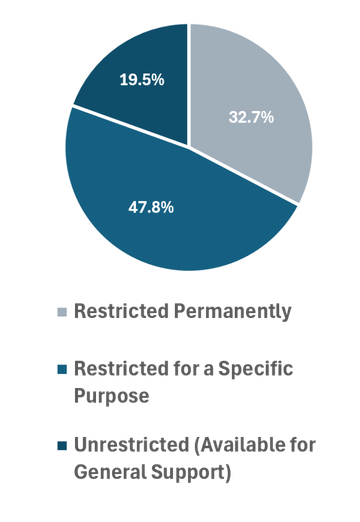
Composition of Net Assets
$99,843,044

2025 Financial Overview

REVENUE
Unrestricted contributions, grants, and events $3,033,985
Donor-restricted funds raised in prior years used for intended purposes $7,592,973
Total $10,626,958
Operating Expenses
Programs
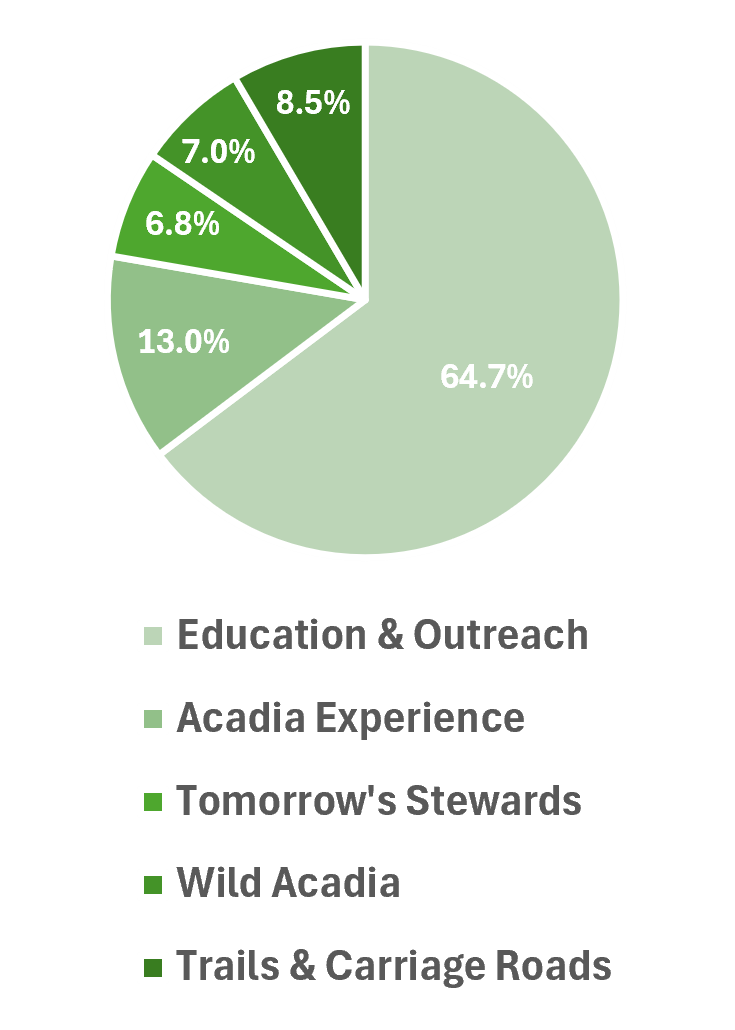
Education & Outreach $6,626,737
Programs - General $3,609,275
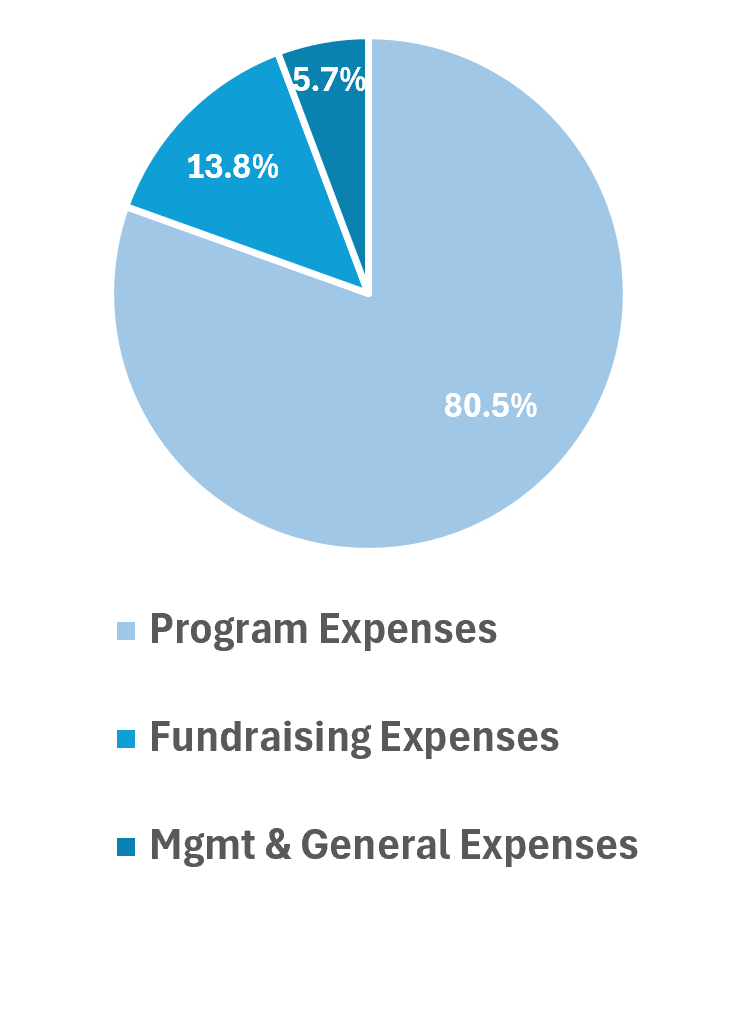
Total Program Expenses $10,236,012
Supporting Services
Development $1,747,561
Management & General $728,395
Total Supporting Services $2,475,956
Total Operating Expenses $12,711,968
CHANGE IN NET ASSETS FROM OPERATIONS ($2,085,010)
Composition of Net Assets
Unrestricted (available for general support) $19,474,269
Restricted for a Specific Purpose $47,735,584
Permanently Restricted Endowments $32,633,191
Total Net Assets $99,843,044

*Unaudited results

Thank You

All of Friends of Acadia’s accomplishments start with the dedication of members and donors like you. Thanks for all you helped accomplish for our beloved Acadia in 2025!