 Join
Join Donate
 Acadia National Park
Building the Future of Acadia
Funded by Great American Outdoors Act, Acadia’s new maintenance facility brings thoughtful efficiency & safety.
BY VERONICA TORRES
December 1st, 2025
Funded by Great American Outdoors Act, Acadia’s new maintenance facility brings thoughtful efficiency & safety.
BY VERONICA TORRES
December 1st, 2025
Acadia National Park is more than a place—it’s an experience. It’s the hush of spruce forests, the salt spray off granite shores, and the crunch of gravel beneath your boots on a carriage road. These moments, woven into the fabric of every visit, are sustained not only by nature’s grandeur but also by the infrastructure that supports it.
From the historic stone bridges of the carriage roads to the summit road on Cadillac Mountain, infrastructure forms the quiet backbone of Acadia. It enables exploration, learning, and connection. But like the park itself, this backbone requires ongoing care and renewal.
One of the most significant examples of this renewal is Acadia’s new maintenance facility, funded by the Great American Outdoors Act (GAOA). Passed in 2020, GAOA created the Legacy Restoration Fund (LRF), the largest investment in public lands in a century. At Acadia, the facility will replace outdated and unsafe structures, some dating back to the 1940s. This is not just a building, but a hub of stewardship. Here, resources will be managed, volunteers will gather, and rangers will plan for visitor safety. It is a tangible reminder that infrastructure is about more than convenience but also about care.
Groundbreaking on the site took place in 2023, and the facility is expected to open in spring 2026. Once completed, it will support more than 150 employees and volunteers, providing modern space for everything from offices and equipment storage to vehicle repair and workshops. These behind-the-scenes teams are essential to keeping Acadia’s iconic landscapes safe, functional, and accessible.
And the need was urgent. The previous facility had a crack in the masonry running the length of the building, crumbling cinder blocks, and insufficient restroom facilities for park employees and volunteers. Now, workers will have safe, efficient space and properly designed facilities, allowing them to do their jobs effectively. Park staff helped shape the design by advising on details such as large garage bays to accommodate heavy equipment, some of which was donated by Friends of Acadia.
The new building will also enhance the visitor experience. The former facility, visible from the summit of Cadillac Mountain, detracted from the park’s most iconic view. By relocating operations across McFarland Hill, the project restores that treasured vista for millions of annual visitors.
The benefits of this federal investment in Acadia extend beyond park boundaries. According to the National Park Service, the project generated more than 425 local jobs and added $92 million to the regional economy.
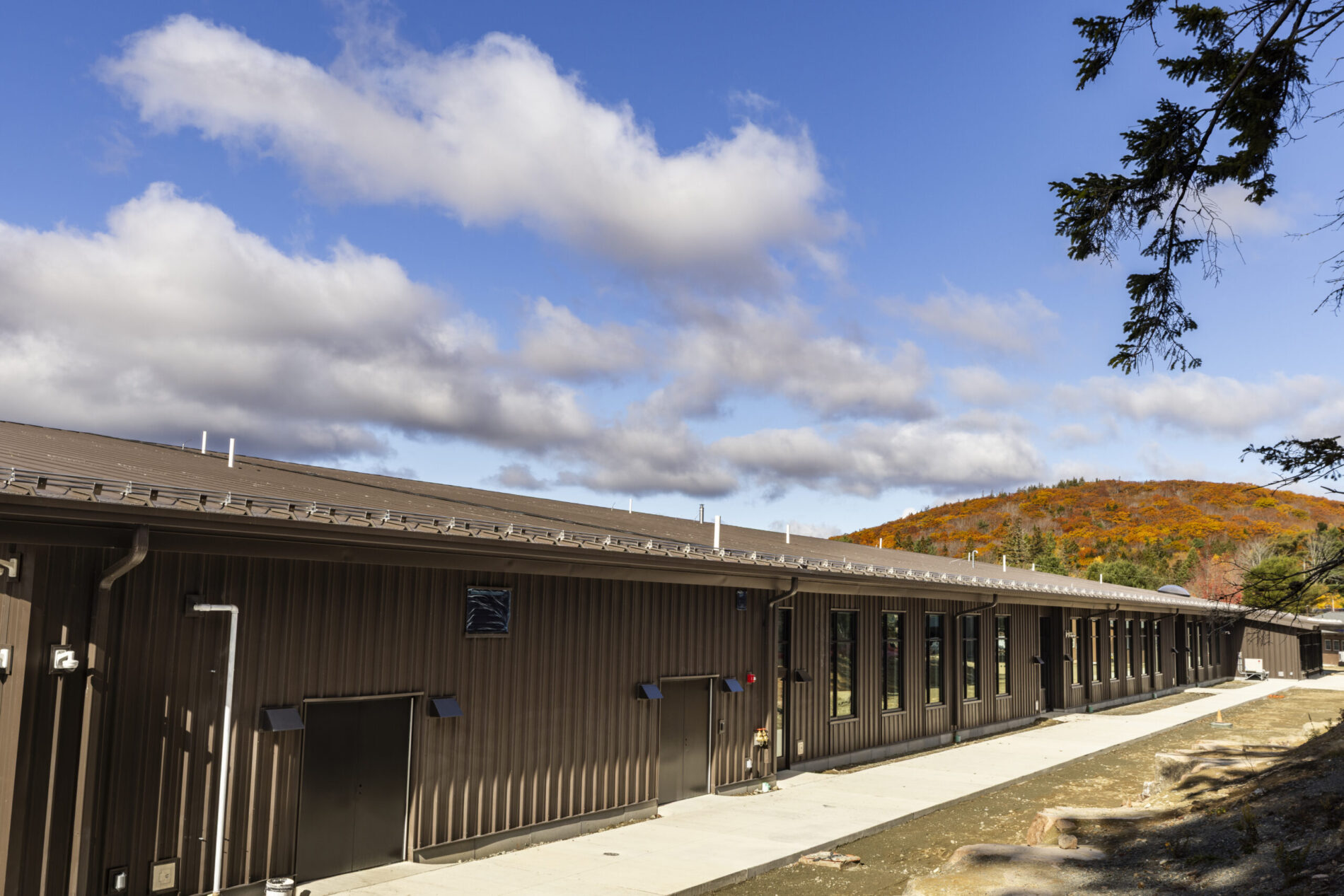
The new facility is built out of the viewshed of Cadillac Mountain, meaning it cannot be seen from the mountain as the old campus can be. It’s likewise out of the watershed of Eagle Lake. Roof assembly and electrical utilities are right-sized to be plug-and-play ready for solar panels, which will be installed next year. Friends of Acadia helped secure a $500,000 grant from the National Park Foundation for the solar project, which will generate direct energy cost savings of about $61,000 a year. (Rhiannon Johnston/Friends of Acadia)
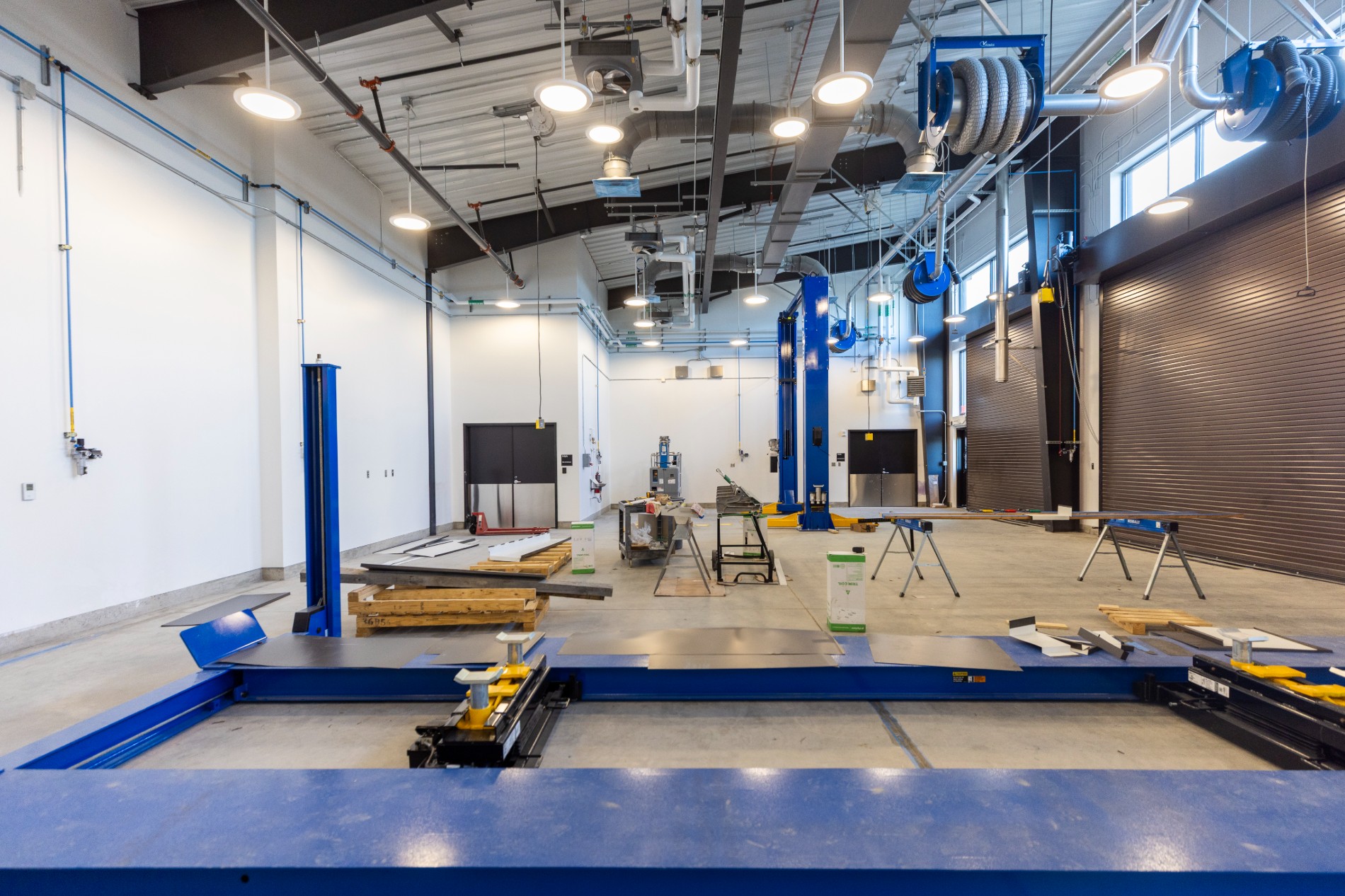
Acadia has more than 100 vehicles and large machines that require service and fuel. The new facility enables the park to service those vehicles on campus, rather than overwhelming service stations and garages in Bar Harbor. (Rhiannon Johnston/Friends of Acadia)
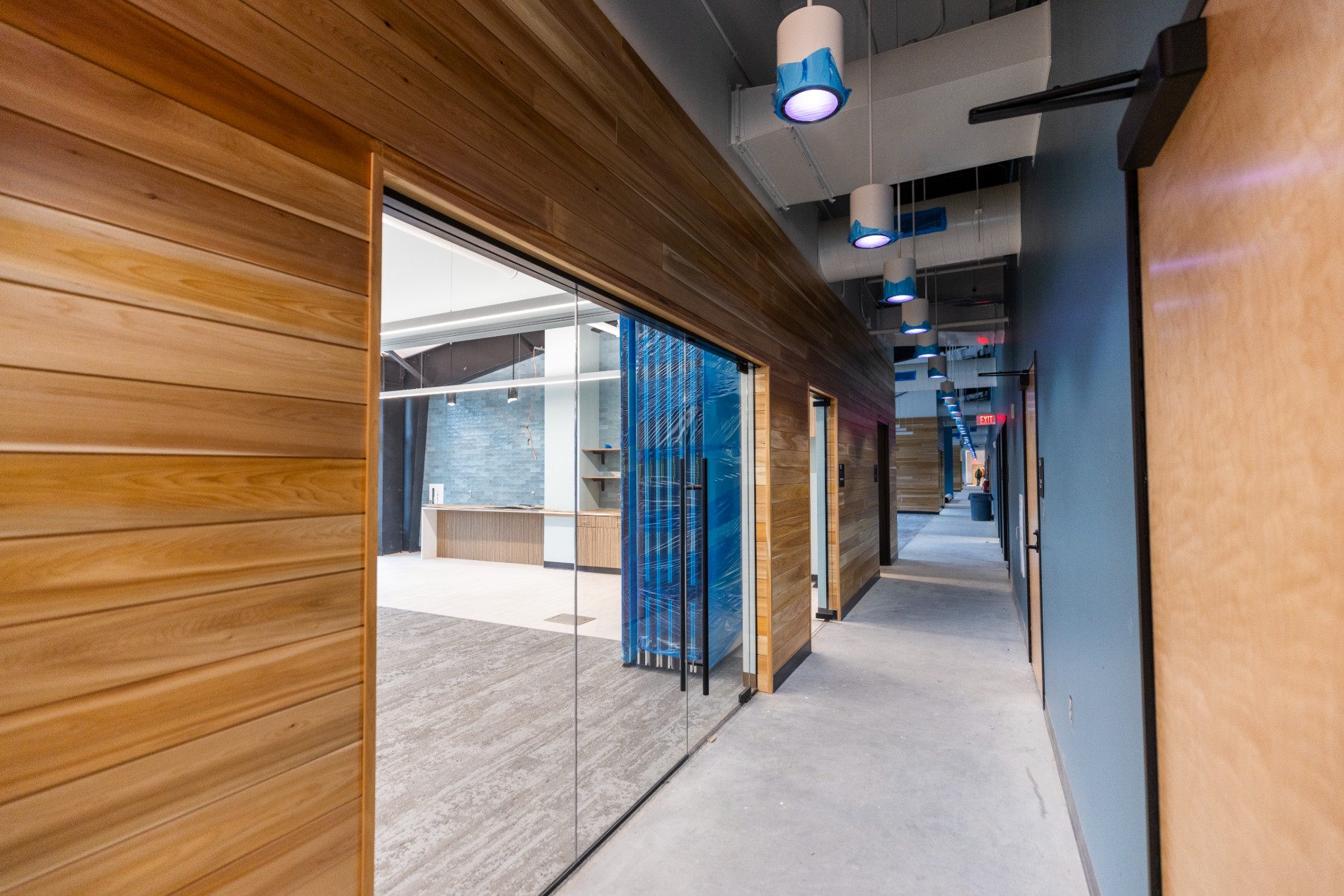
Every space is designed to meet modern safety and accessibility standards and is designed around each program’s workflow to improve efficiencies. This includes the Volunteer Drop-in Program, a collaboration between Friends of Acadia and Acadia National Park. (Rhiannon Johnston/Friends of Acadia)
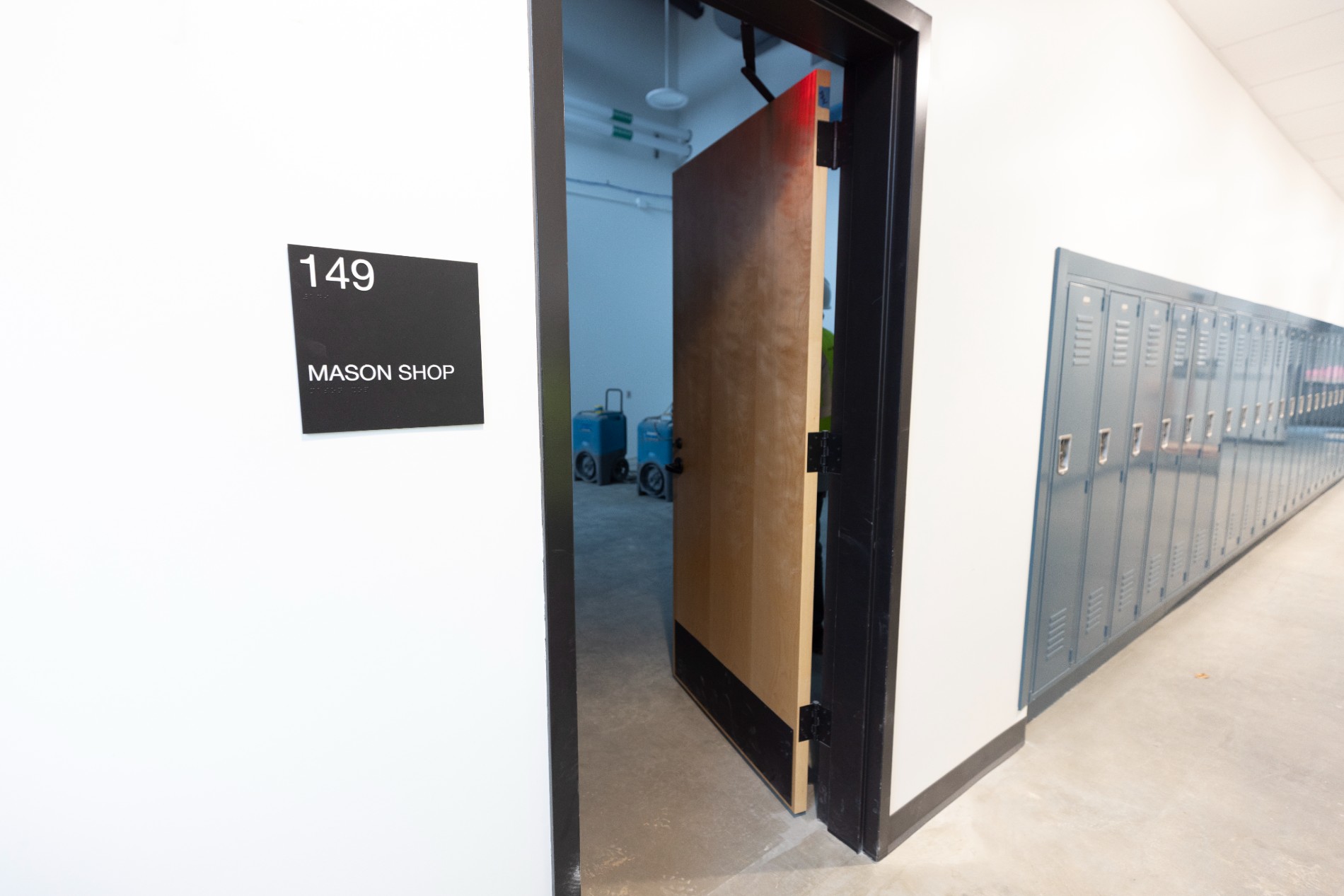
Unlike the previous campus, comprised of many disparate buildings and trailers, the new facility consolidates park management and operations to one structure, designed for 150 people. This includes permanent and seasonal employees, volunteers, and several Friends of Acadia employees who work closely with park staff. (Rhiannon Johnston/Friends of Acadia)
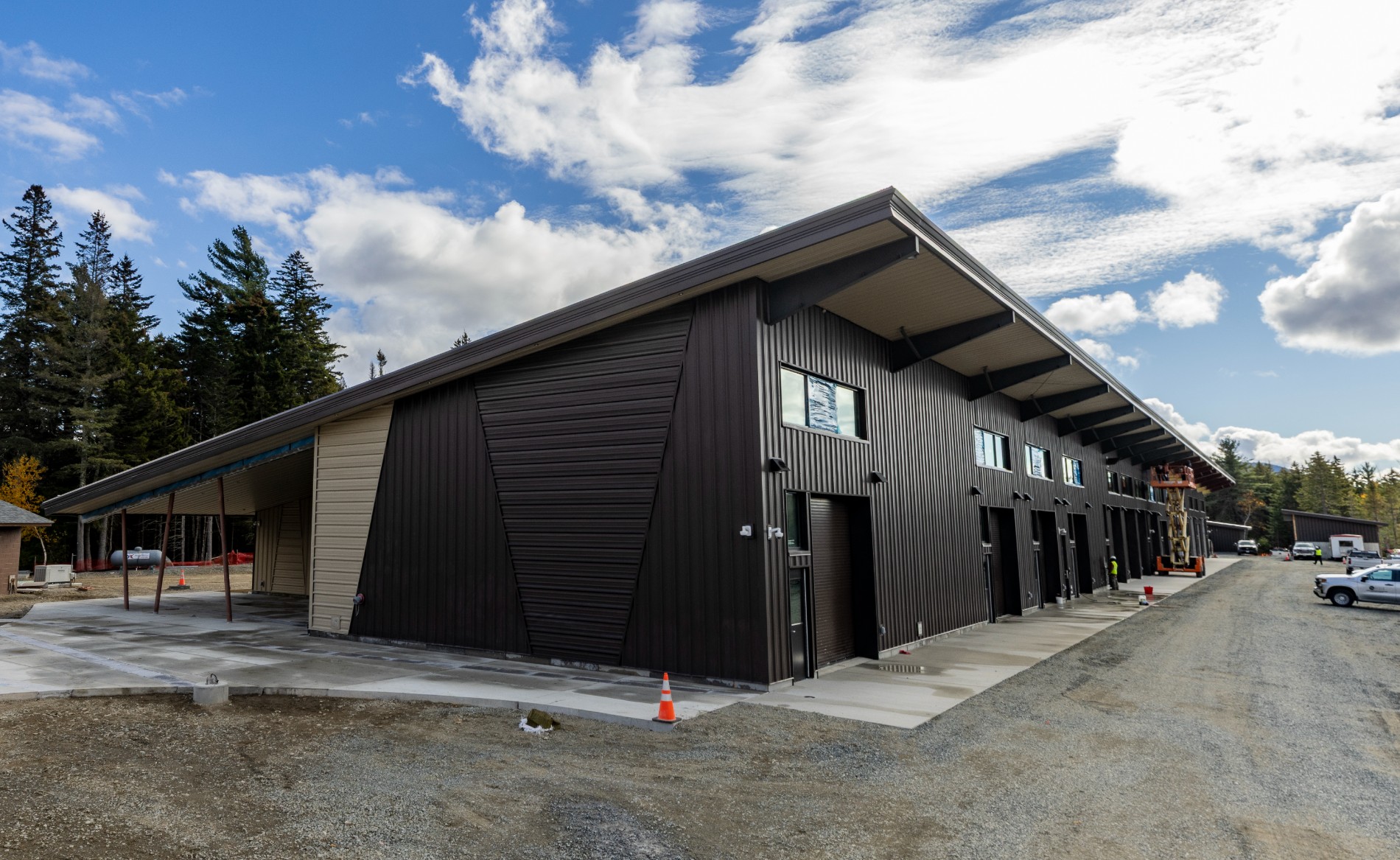
The new maintenance facility is 27,000 square feet with three outbuildings and features new campus-wide septic, underground utilities, and additional
parking. (Rhiannon Johnston/Friends of Acadia)
Projects of this scale don’t happen on their own. They are the result of years of education and advocacy by citizens, organizations, and elected officials working together to secure the resources our national parks and public lands need. Senator Angus King, for instance, a longtime champion of Acadia, has led bipartisan efforts to reauthorize the Legacy Restoration Fund through the America the Beautiful Act, underscoring that repairing park infrastructure is among the smartest uses of taxpayer dollars.
“Using federal dollars to build sites like the new maintenance facility at Acadia are the exact kinds of investments being made possible by the Great American Outdoors Act, a bill that I was proud to work with my colleagues across the aisle to get passed and signed into law back in 2020,” said Senator King, ranking member of the National Parks Subcommittee. “Today, we have an opportunity to rise once again to the occasion and pass the America the Beautiful Act — bipartisan legislation I’ve introduced alongside my colleague from Montana, Senator Steve Daines. Stewardship is not a partisan act, and it will take all of us to ensure Americans and visitors from across the globe can continue to enjoy the stunning sunrise atop Cadillac Mountain to the majestic geysers at Yellowstone.”
Friends of Acadia is playing a central role in this advocacy. By engaging policymakers, mobilizing members, and elevating the park’s needs, FOA ensures that Acadia’s voice is heard in Augusta and Washington, D.C. Advocacy is not limited to organizations, though as every letter written from a constituent, story shared, and meeting attended by park supporters helps strengthen the case for protecting Acadia’s future.
Across the National Park System, the Great American Outdoors Act and Legacy Restoration Fund have supported more than a thousand projects, from repairing bridges and roads to modernizing visitor centers and utilities. Yet many projects remain. Extreme weather and surging visitation are putting added pressure on aging facilities.
Without reauthorization of the LRF, the maintenance backlog within national parks will only continue to grow.
At Acadia, future Legacy Restoration Fund dollars could support another beloved site: the Jordan Pond House. Since the late 1800s, visitors have gathered there for tea and popovers with sweeping views of the Bubbles. But the building and surrounding utilities are outdated and increasingly strained by high visitation. Planned improvements would modernize utilities, enhance amenities, and improve employee facilities, ensuring the Jordan Pond House remains a centerpiece of Acadia’s cultural and recreational life.
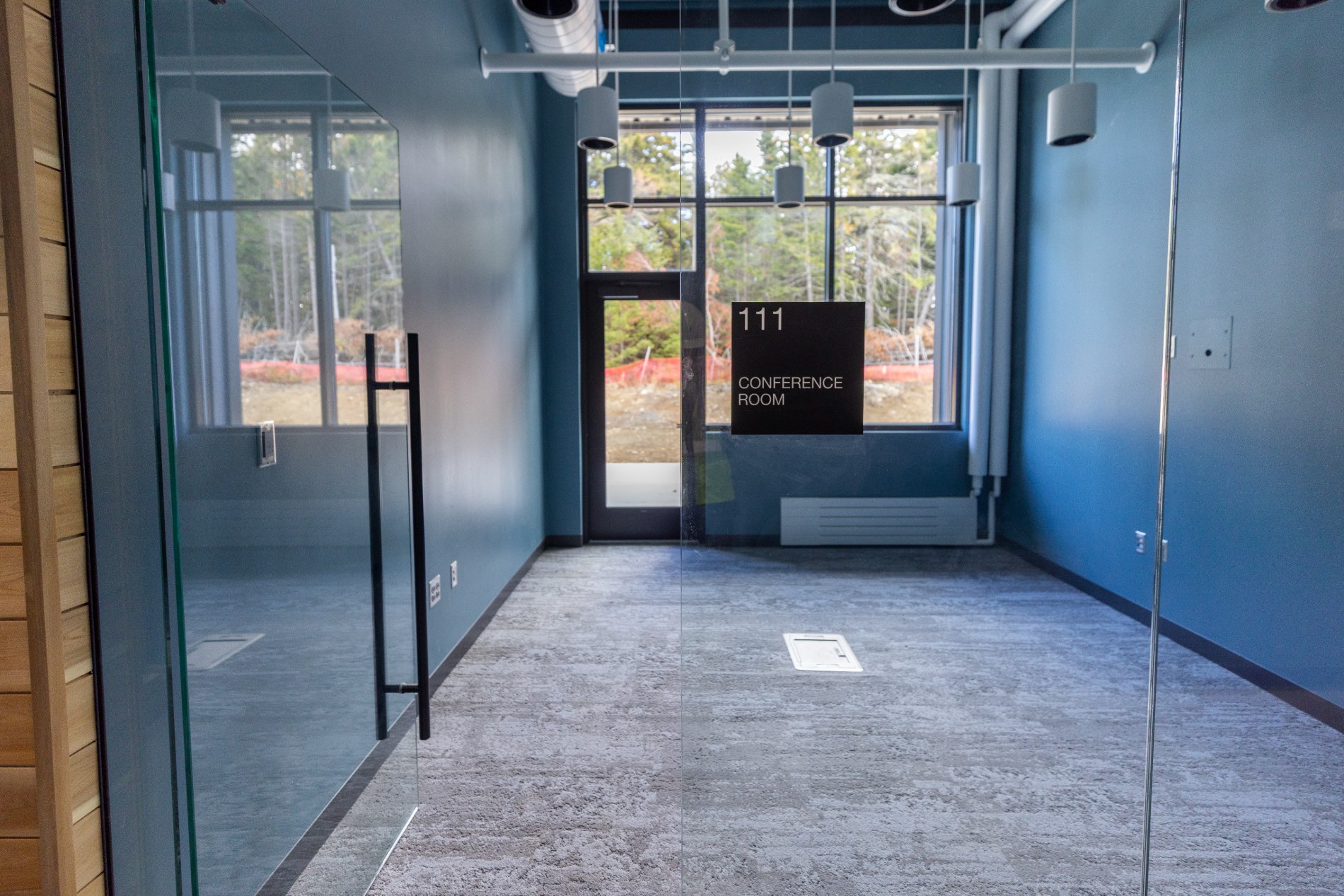
The new space allows for convenient storage of equipment, welcoming space for up to 40 volunteers, and enough parking to accommodate everyone. systems. (Rhiannon Johnston/Friends of Acadia)
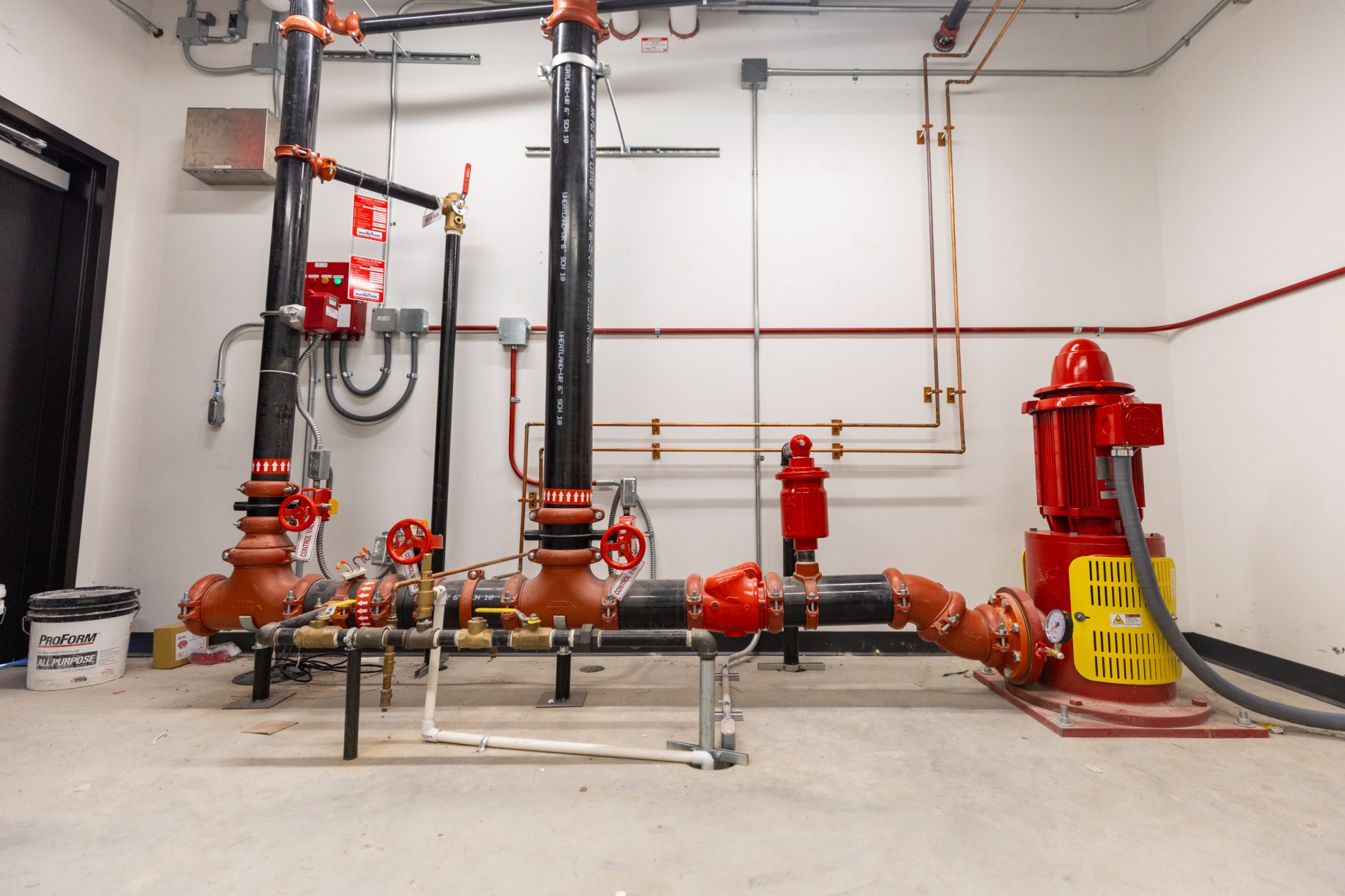
The new building features an in-house fire pump and control panel that can identify where in the building smoke is detected and alert an off-site security company. (Rhiannon Johnston/Friends of Acadia)
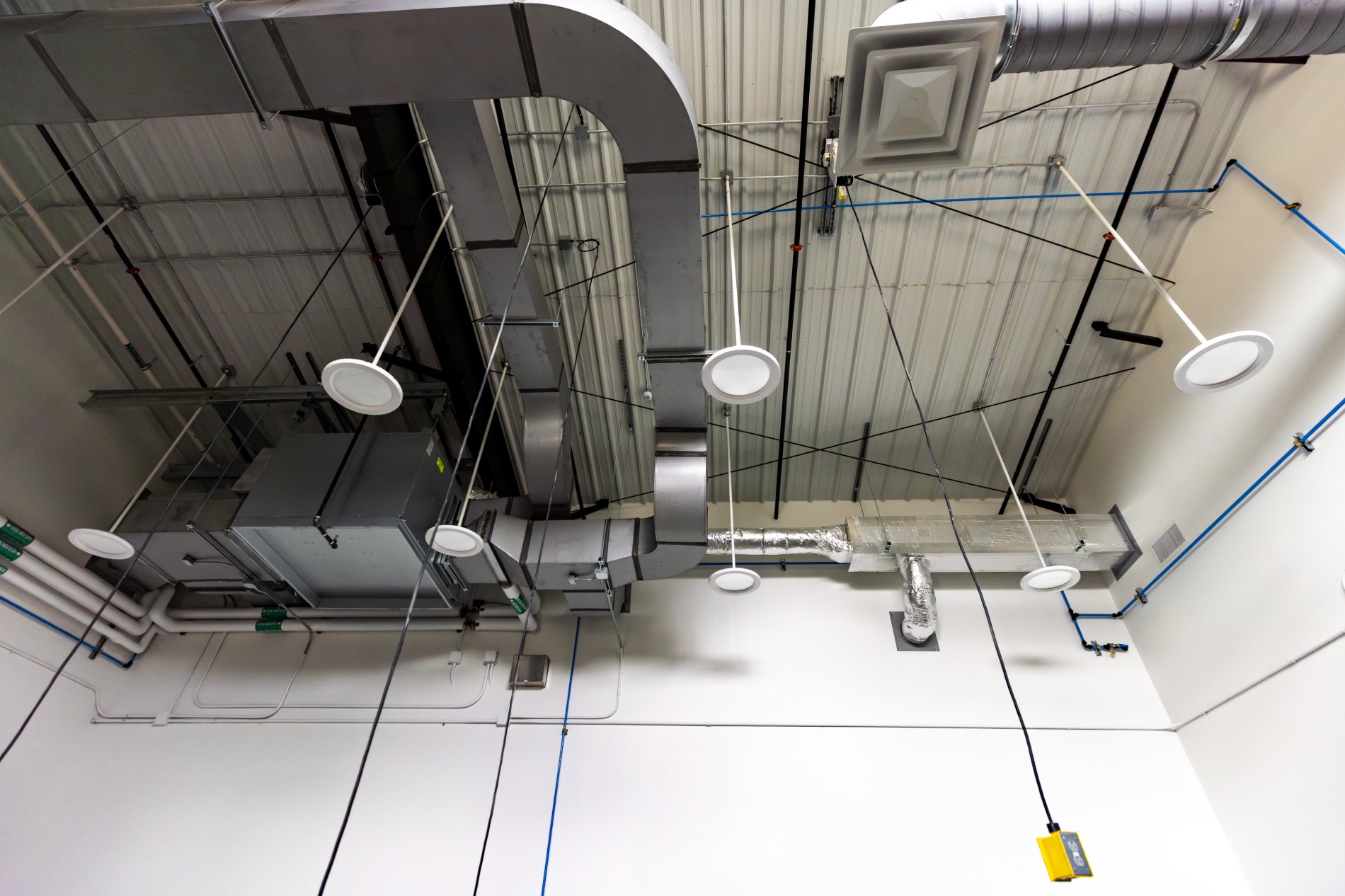
Office areas are heated and cooled by efficient heat pumps, and shops have passive cooling. (Rhiannon Johnston/Friends of Acadia)
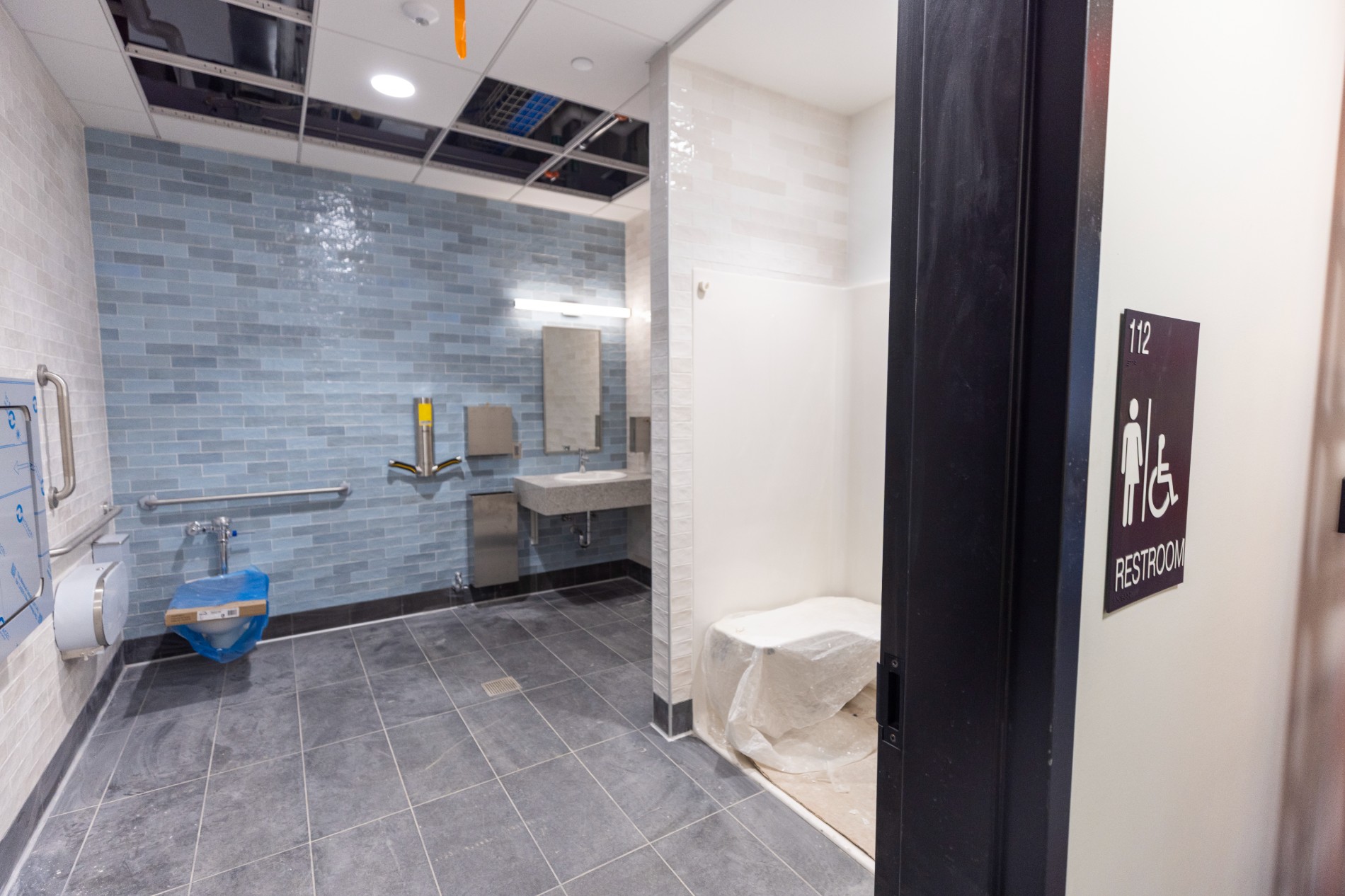
ADA bathrooms allow for park staff to clean up and do tick checks after fieldwork and feature zero-clearance showers, storage lockers. (Rhiannon Johnston/Friends of Acadia)
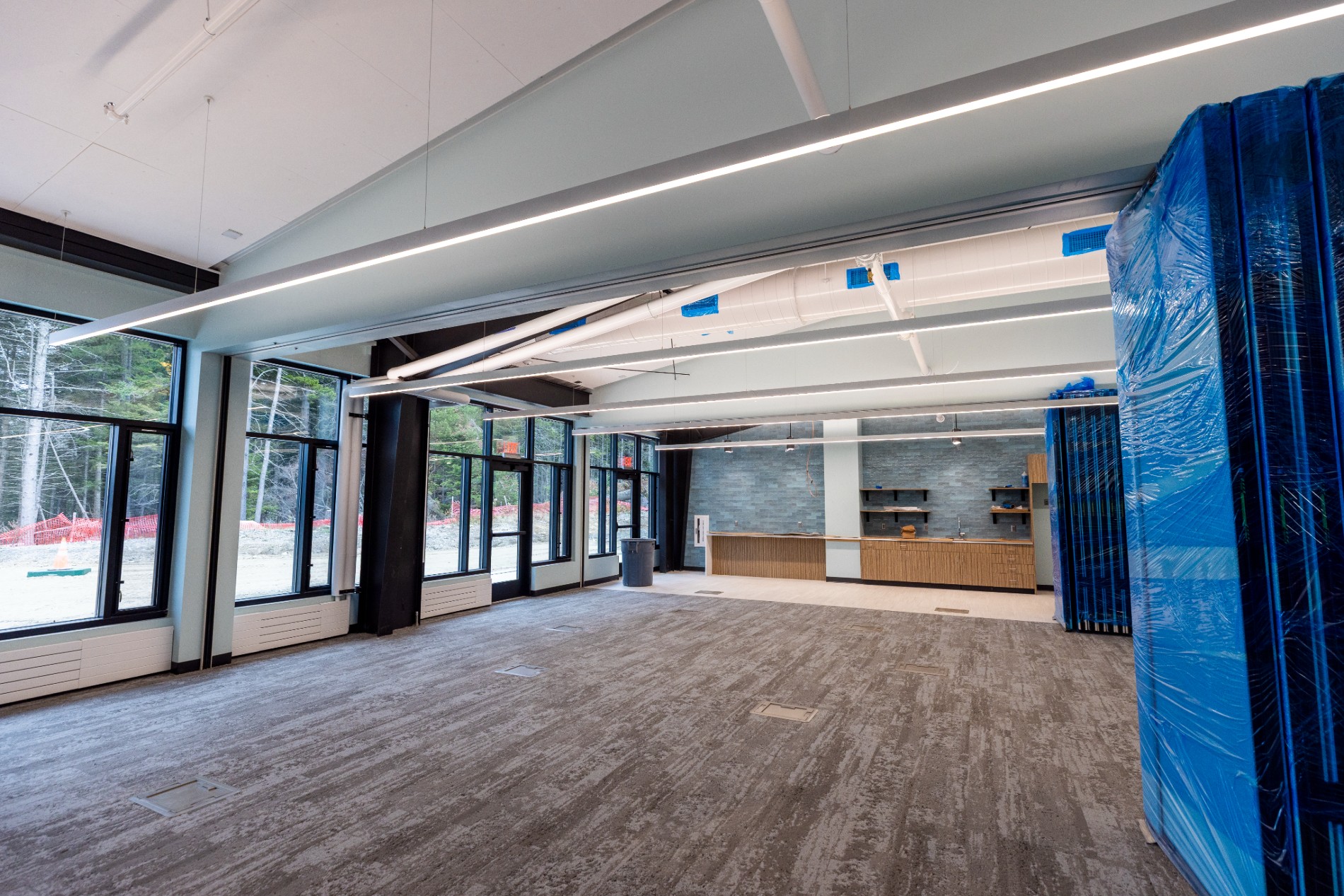
A common area includes a kitchenette, natural light, communications ports, as well as soundproof dividers that allow the space to be divided. (Rhiannon Johnston/Friends of Acadia)
From George Dorr’s early vision to today’s advocates, Acadia has always been shaped by those who cared enough to act. Infrastructure may not inspire awe like a sunrise on Cadillac or the call of a loon over Eagle Lake, but it makes those experiences possible. By sustaining the systems that sustain the park, we ensure that Acadia’s future remains vibrant and welcoming to visitors and a safe working environment for park staff.
This story was originally published in the fall 2025 issue of Acadia magazine.
Acadia magazine is published three times a year and features stories of Acadia National Park and the local community, from behind-the-scenes work to the impact of donor dollars. To receive Acadia magazine, become a member/donor!