 Join
Join Donate
 Acadia National Park
From the Board Chair:
America at 250: Celebrating Our National Parks
BY BILL EACHO, Friends of Acadia Board Chair
March 25th, 2026
BY BILL EACHO, Friends of Acadia Board Chair
March 25th, 2026

Board Chair William Eacho. (Julia Walker Thomas/Friends of Acadia)
This year, as our nation celebrates its 250th anniversary, I am grateful for the 433 national park sites that invite us to celebrate, to contemplate, and to learn from our shared history.
Our national parks celebrate the astonishing beauty of this country, our shared accomplishments, and steps toward progress. They reflect our collective efforts to protect important places for public access. And they preserve hard truths—chapters of displacement, injustice, conflict, and struggle that challenge us to grow. They are classrooms, memorials, and ponds in which to see our own reflection.
Here in Acadia, the last 250 years are part of a much longer story. Long before it became the first national park east of the Mississippi River, this land was home to the Wabanaki people and their ancestors, who have stewarded—and continue to steward—these mountains, forests, and waters since time immemorial.
History is everywhere in the park. The inland streams of Great Meadow served as waterways for Indigenous people moving to and from the coast.
Pink apple blossoms sprinkled among evergreen trees are reminders of the small farms that sustained families of 18th- and 19th-century European settlers on the island’s rocky shores.
And Champlain Mountain gives us views from one of the first parcels of land donated to what would become Acadia National Park.
“As we celebrate 250 years of our nation’s history, may we recommit ourselves to stewarding these landscapes and stories—preserving what has long been called ‘America’s best idea’ for the centuries still to come.”
In the early 20th century, visionary citizens such as George B. Dorr worked alongside local communities and philanthropists to create the East Coast’s first national park and the first in the nation created from privately donated lands. That achievement marked a turning point in the American conservation movement.
It demonstrated that preservation was not reserved for only a few grand Western landscapes, but a national commitment to protect beautiful and important places nationwide.
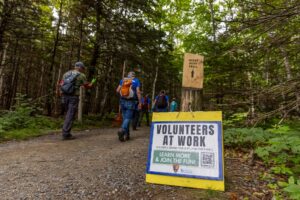
As Chairman of the Board of Friends of Acadia, I see every day how deeply people care about this shared inheritance. Volunteers devote thousands of hours to repairing trails and carriage roads. Scientists study ways to make changing ecosystems more resilient.
Educators bring students outdoors to learn from living landscapes. Supporters invest in projects that will ensure these resources endure for generations to come.
Together, we are engaged in collective stewardship. As we celebrate 250 years of our nation’s history, may we recommit ourselves to stewarding these landscapes and stories—preserving what has long been called “America’s best idea” for the centuries still to come.