This region is getting warmer fast, and most of the warming is occurring in winter. Along the coast of Maine, the average coldest temperature in winter (December through February) is 7.4 degrees Fahrenheit warmer than it was 130 years ago, according to Maine State Climatologist Sean Birkel.
More precipitation now falls as rain than snow, and models predict a continued decrease in the number of days with snow on the ground. The historical trend is more difficult to discern locally, in part because of the incomplete data.
While people who like to cross-country ski in Acadia remain eagerly attuned to real-time snow conditions and can anecdotally speak to fluctuating trends, comprehensive and ongoing scientific monitoring would provide important information for everyone who lives or visits here, helping us understand how our winters are changing and how we might prepare.
Bringing automated snow monitoring to the northeast would likewise be valuable to those who reside next to rivers, operate hydroelectric dams, use water for manufacturing, manage drinking water supplies, or forecast river flooding.
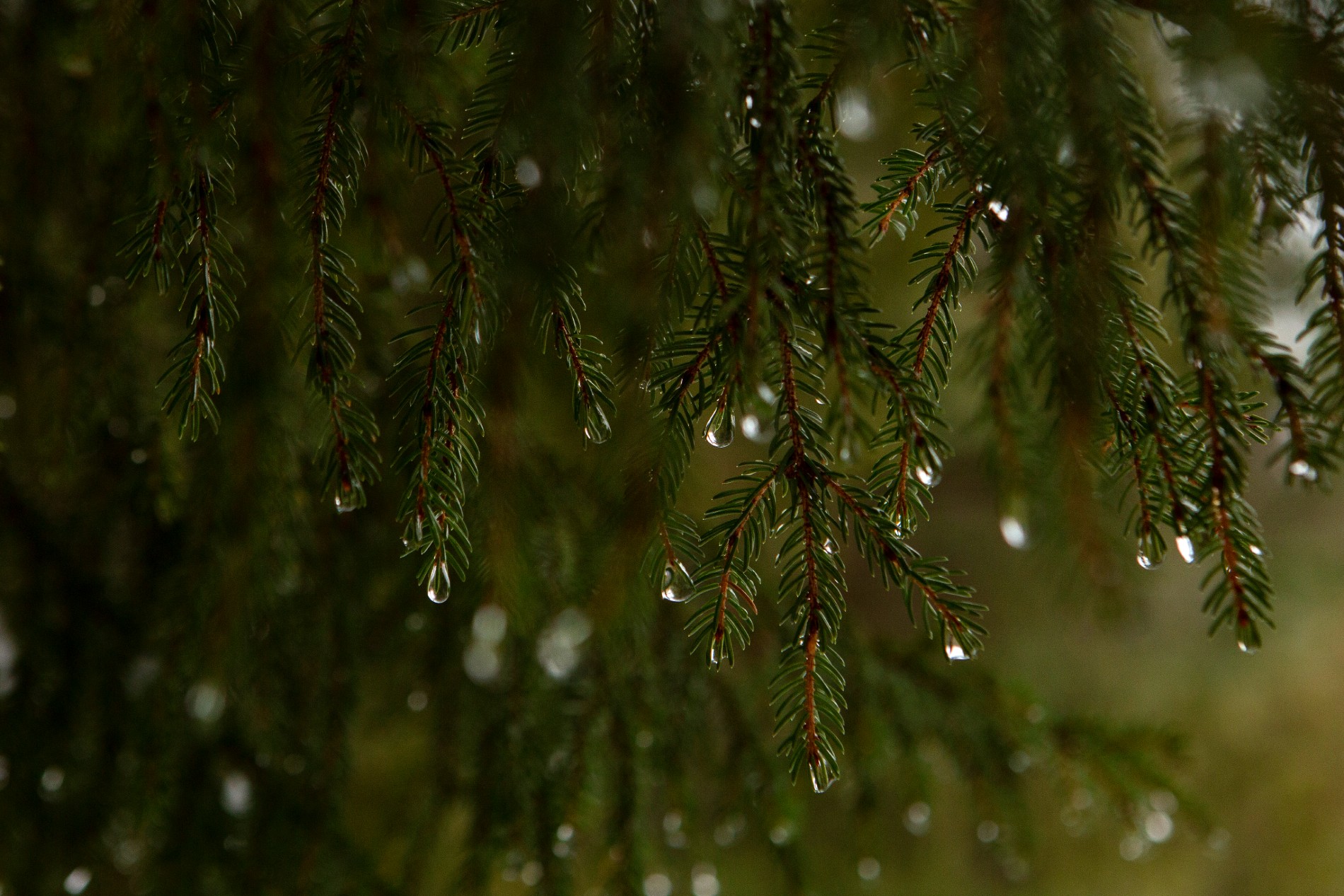
Water droplets form on pine needles on the Eagle Lake Trail in Acadia National Park in February 2021. (Ashley L. Conti/Friends of Acadia)
College of the Atlantic has been contributing to the Maine Cooperative Snow Survey since 2014, and their measurements show fairly consistent year-over-year snow cover in February, and high variability in March.
But everything changed in the winter of 2023-2024: the winter without snow. Some fell in December but quickly disappeared. It made for an eerie and uneasy season, especially for skiers.
“Several of the past couple of years have been lackluster for sure,” said Friends of Acadia Stewardship Manager Nikki Burtis, who collaborates with the Acadia Winter Trails Association volunteer groomers who prepare the carriage roads for cross-country and skate skiing.
“We’ve had to really define the parameters due to the freeze/thaw cycle that has been happening to ensure the carriage roads don’t sustain any damage from the equipment,” said Burtis. Grooming occurs only when (and if) the carriage roadbed is adequately frozen and there’s a base of at least six inches of snow.
In 2025 and 2026 winter returned, and groomers stayed busy. Cold temperatures preserved the snowpack, which was periodically replenished with a few inches of new, light snow. Still, last year the thaw came earlier than it did historically. By late March the snow had melted from all but the highest elevations, water running off the mountain slopes, pouring over cliffs, replenishing streams and lakes.
In the upper reaches of Hadlock Brook, stubborn pockets of snow persisted beneath the trees. Scientists call these “refugia”— places that for various reasons are relatively buffered from climatic shifts. With mountains
that create shade and block wind and ocean currents that moderate temperature, Acadia has great potential for refugia. For those who study our changing world, refugia offer a glimmer of hope in what can otherwise be a sad and disheartening profession.
Dr. Sarah Nelson, now director of research for Appalachian Mountain Club, is still studying snow.
She recently published a study on snow refugia that includes analysis of data from her work in Acadia. The site at Hadlock Brook, where I helped collect snow samples way back when, was one location with medium forest canopy cover, where snow persisted longer.
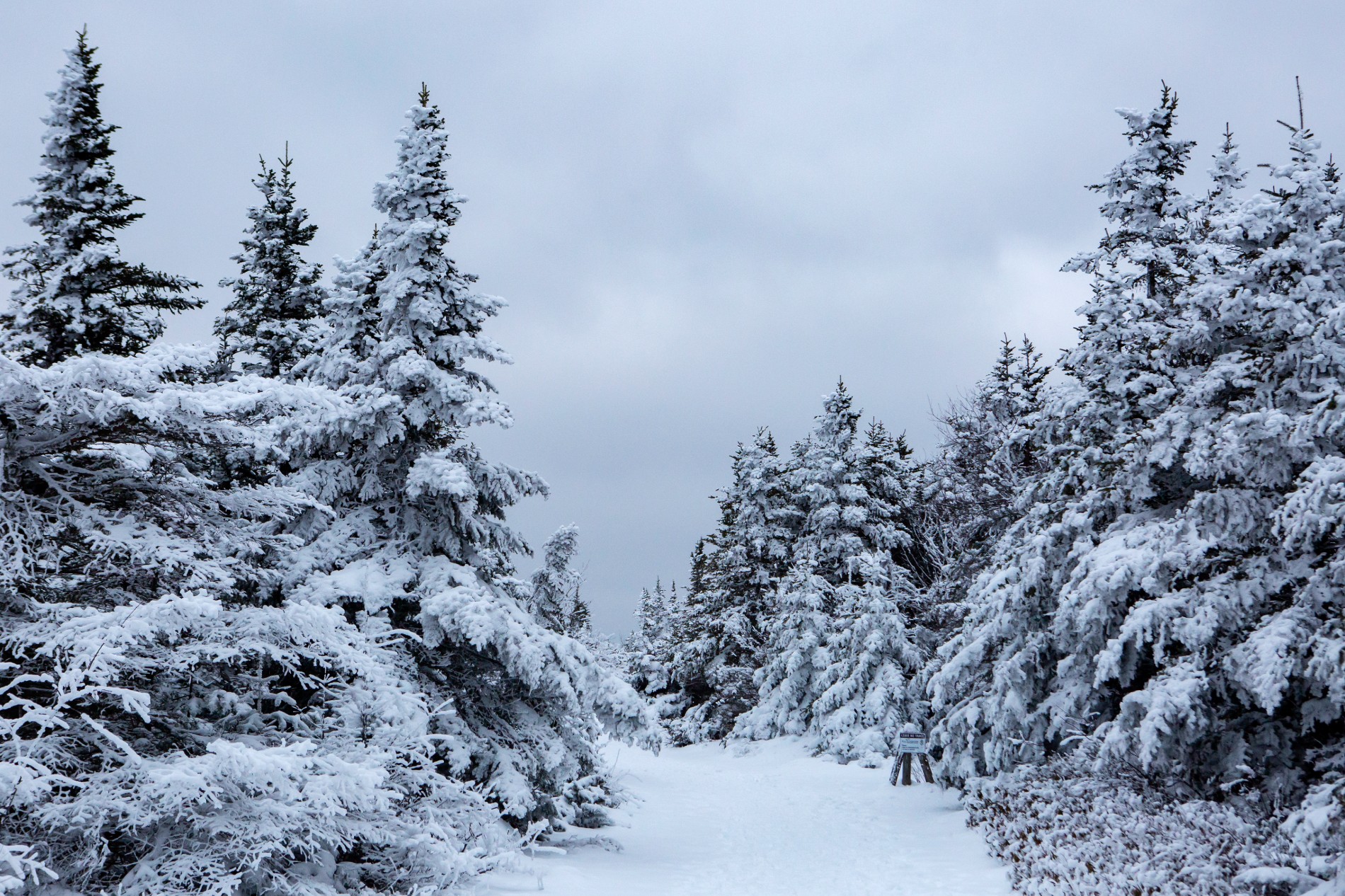
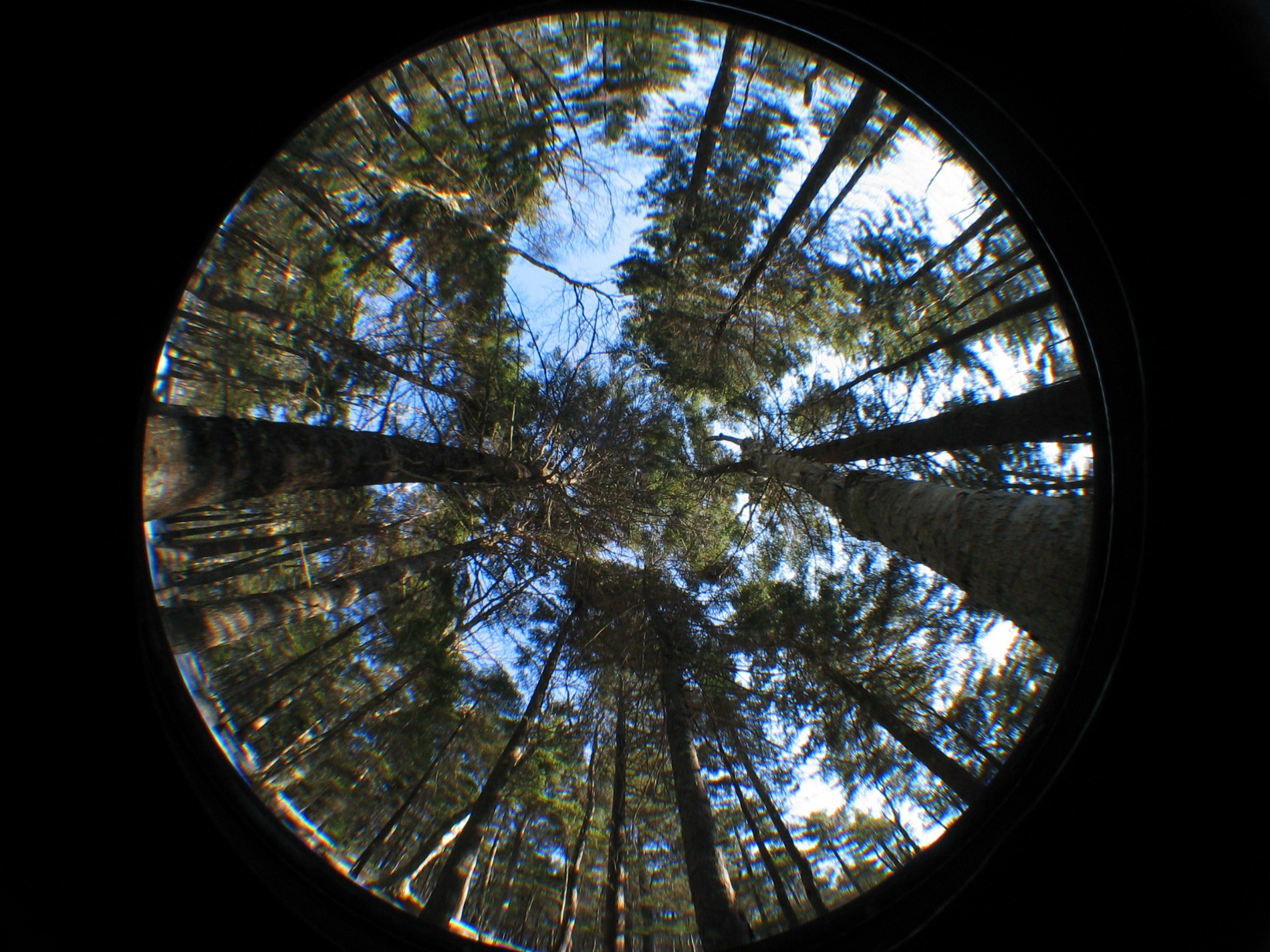
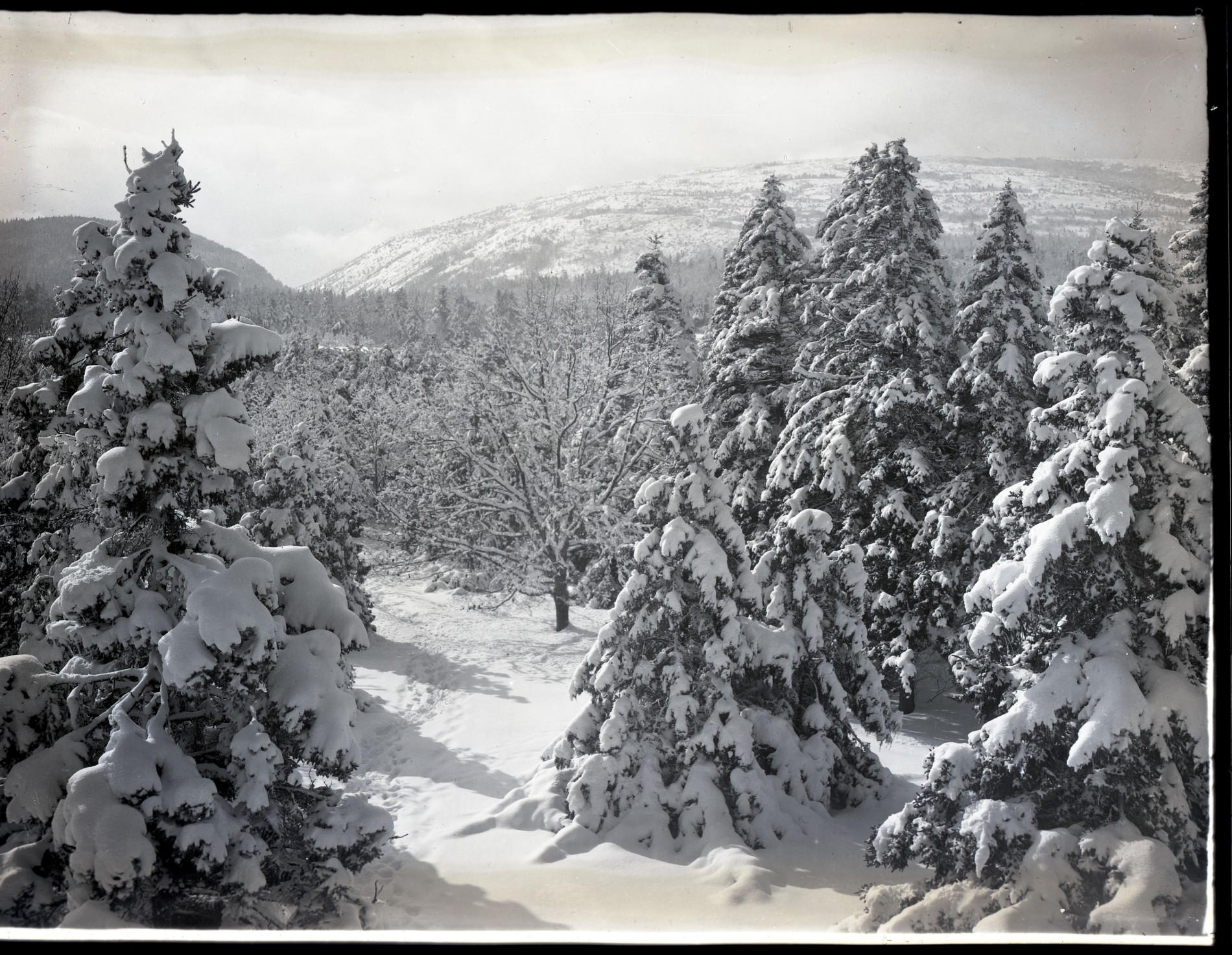
Evergreen trees intercept and hold on to more snow (creating that magical feeling) but also shelter the snow that does accumulate, keeping it on the ground. In contrast, the bare branches of deciduous trees allow more snow to fall to the ground but also permit more sunlight that can melt and evaporate snow. The sweet spot for snow is somewhere in between—a canopy open enough to allow snow to accumulate, but not so open that the wind blows it away or the sun beats down on it.
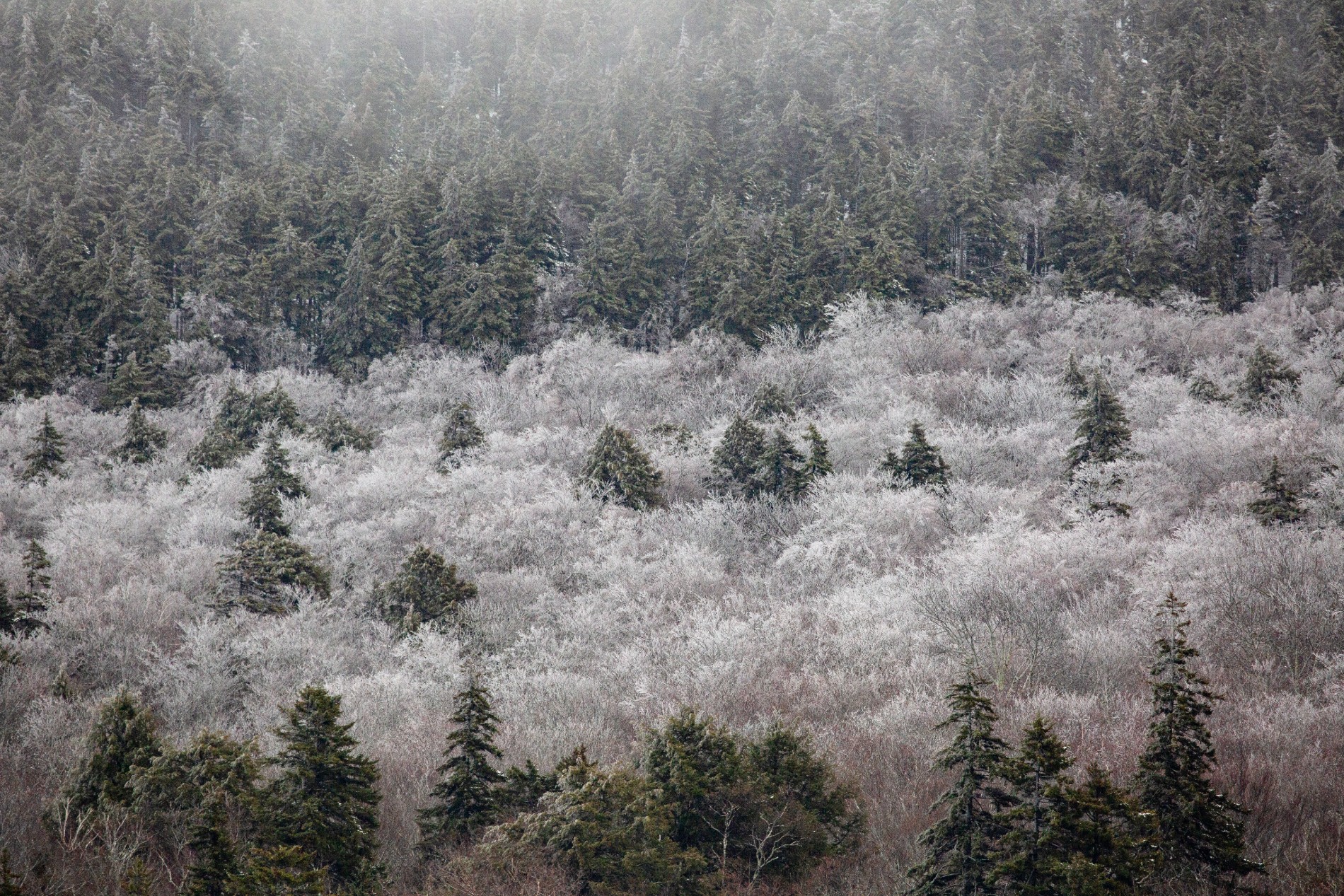
Snow and fog blanket the ridges of Pemetic Mountain from the Eagle Lake Trail in Acadia National Park in February 2021. (Ashley L. Conti/Friends of Acadia)
Knowing more about snow refugia and other interactions between snow, forests, and rivers will help reduce uncertainty in computer models that rely on accurate snow data to predict flooding or water availability.
The Appalachian Mountain Club and Schoodic Institute are both part of the Northeast Snow Survey Feasibility Study led by University of New Hampshire, which is addressing the need for a coordinated network of automated, real-time snow monitoring stations in the region.
“The Maine Cooperative Snow Survey data is a great example of why we need automation,” said Chris Nadeau of Schoodic Institute. “It is hard to show trends because snow is measured only a few times each year and the collection times are not consistent.”
Across the region, most weather stations are at low elevations in populated areas, preventing a full understanding of the changing magnitude and timing of snowfall and runoff, especially in mountainous, forested terrain like Acadia.
So, I’ve been thinking a lot about snow, noticing how it falls, where it collects, when it lingers.
When it snows, as it is right now while I write this at the end of January, I feel a sense of relief that all is not lost, and that beauty and wonder can still be found in winter, there beneath the trees.
Learn more about the Northeast Snow Survey Feasibility Study (NESS) at sites.usnh.edu/ness/
CATHERINE SCHMITT is a Science Communication Specialist at Schoodic Institute.
 Join
Join Donate
 Acadia National Park