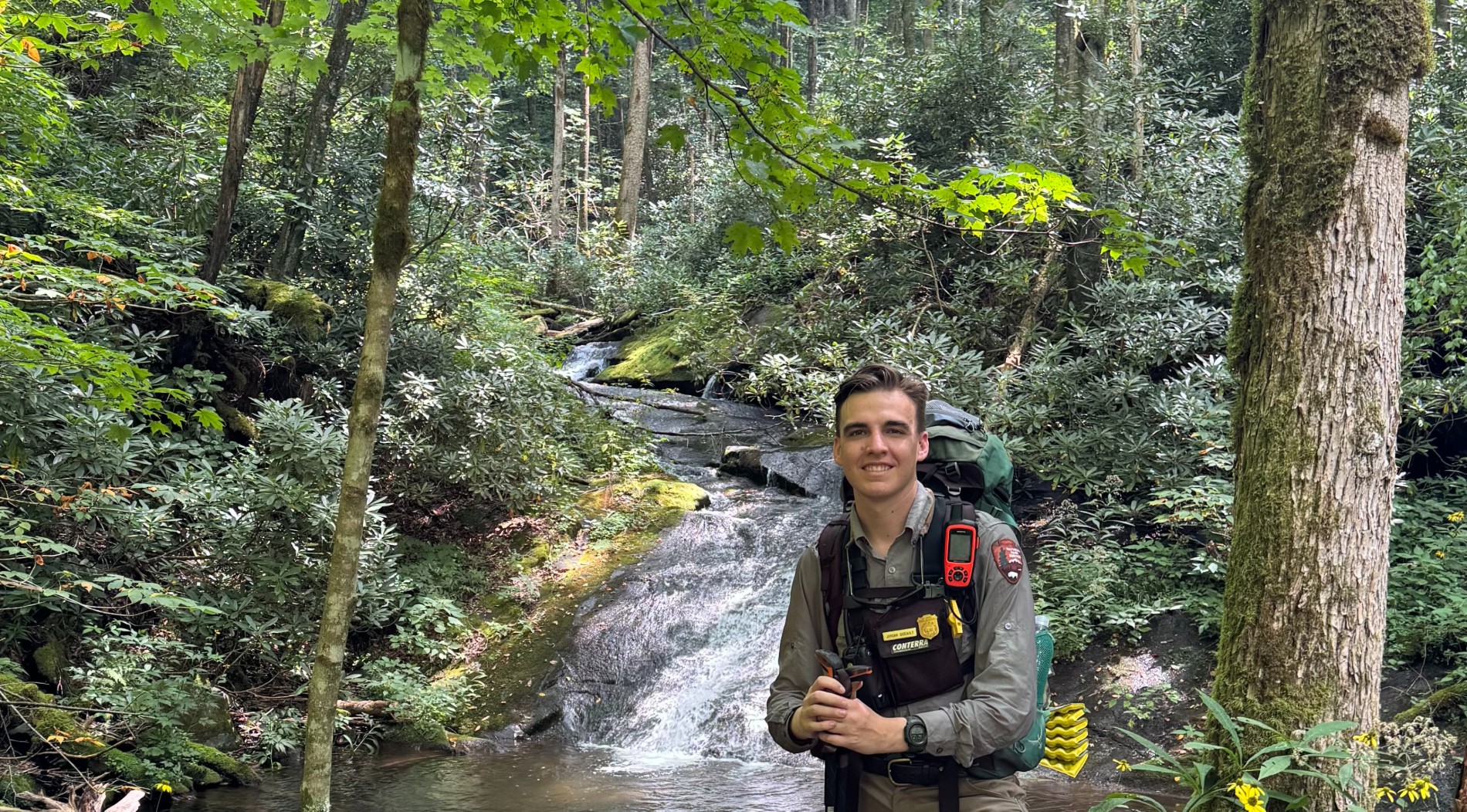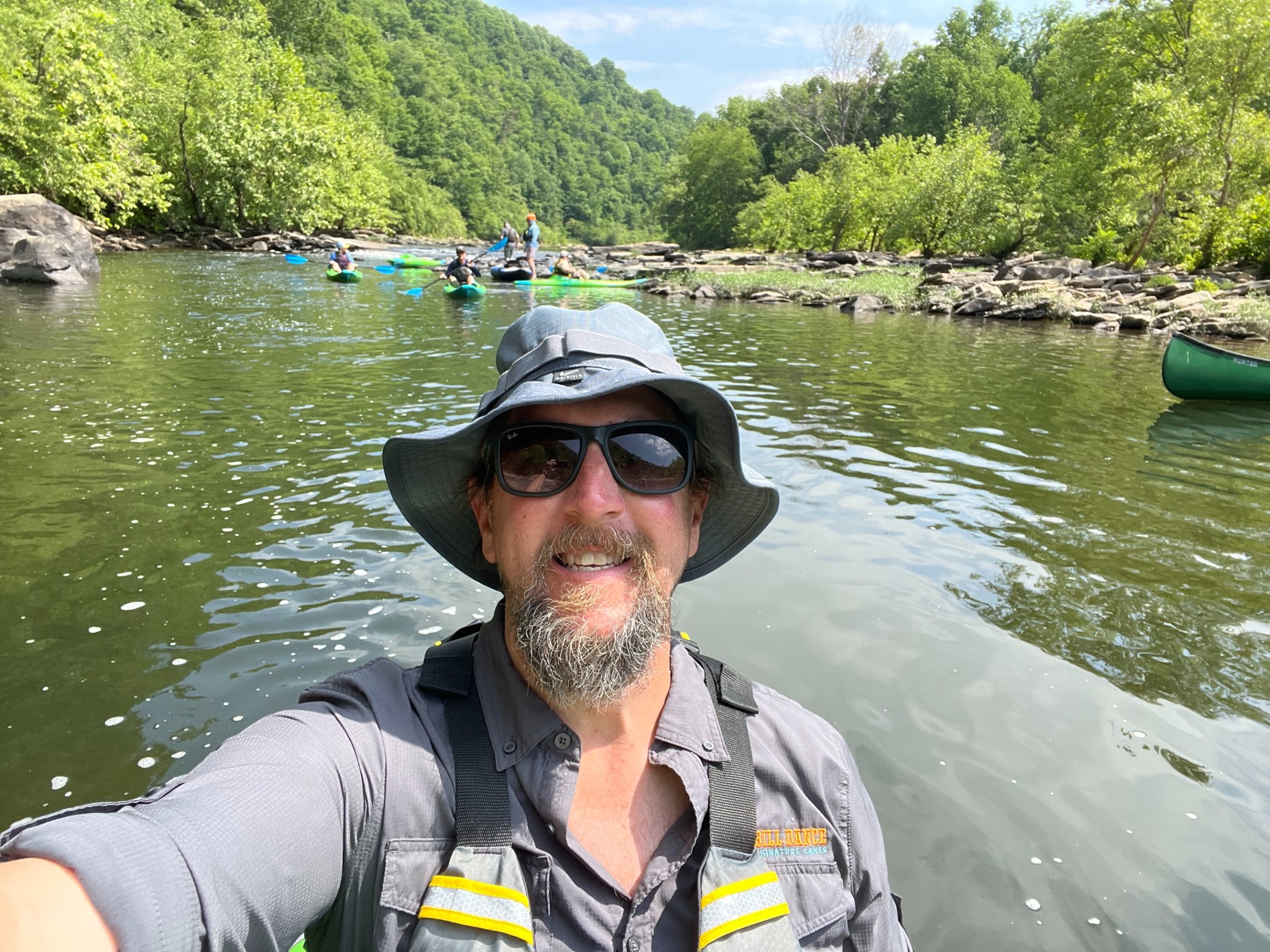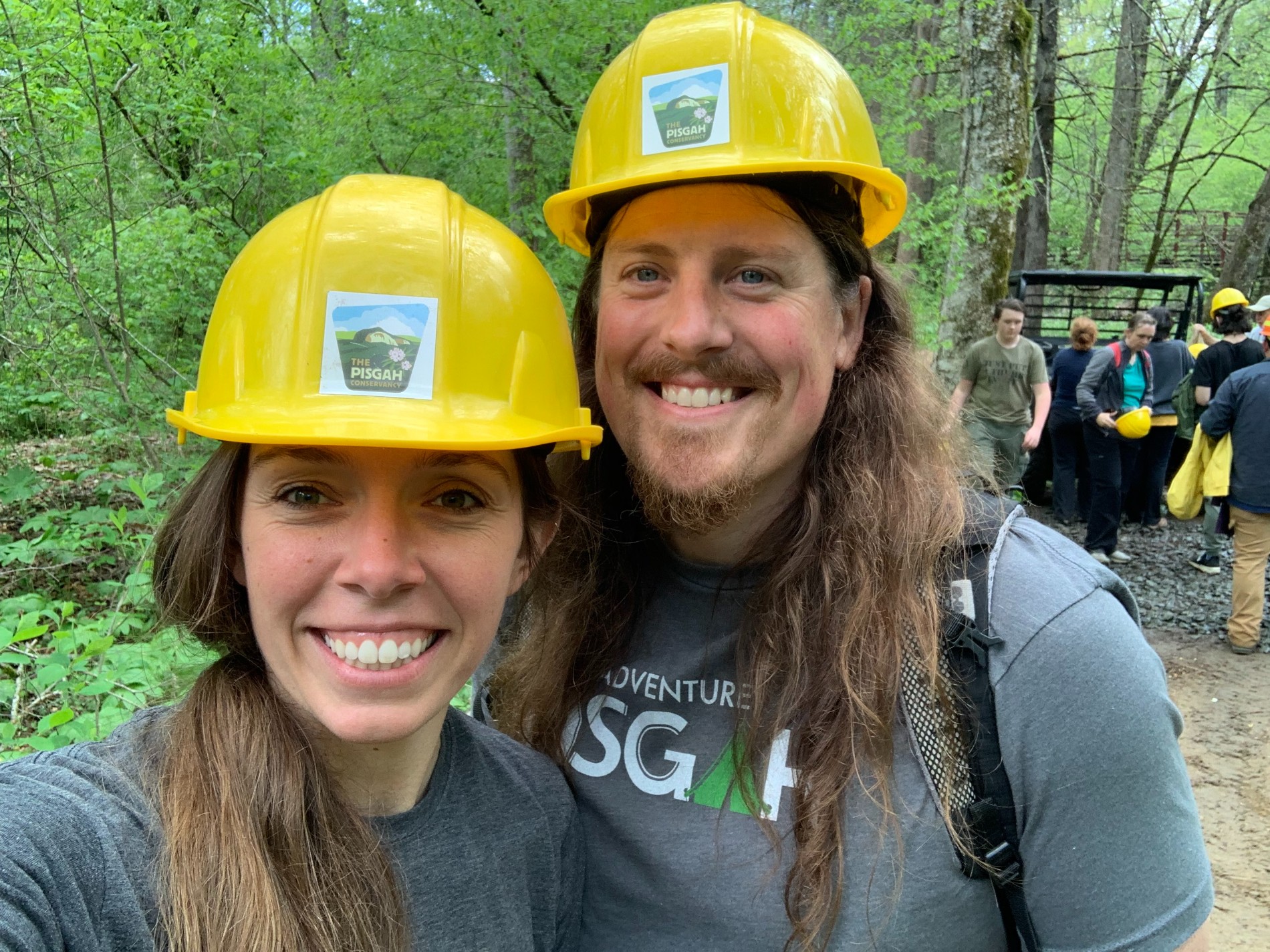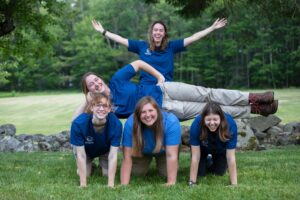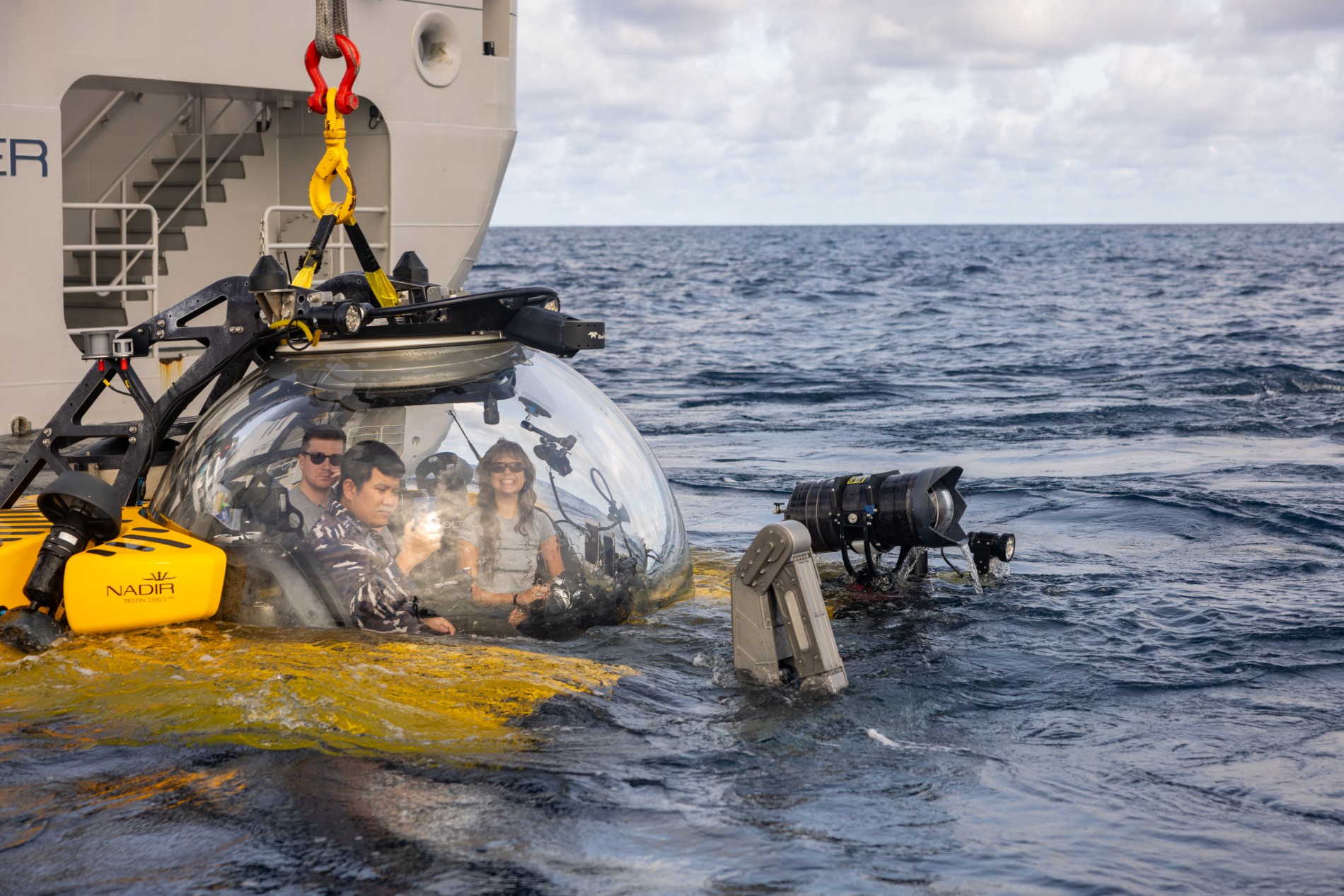
Sam Mallon at work for Ocean X. Sam was formerly a member of the Acadia Digital Media Team from 2021-2023. (Emma Batty/OceanX)
For Sam Mallon, three seasons with Friends of Acadia became less a job and more a defining shift in how she saw both storytelling and the natural world. She joined Friends of Acadia’s Digital Media Team (ADMT) already interested in visual storytelling—but left with a deeply reoriented sense of purpose.
One memory stands out as both a beginning and a kind of threshold moment. During her first week, she and fellow ADMT members hiked the Beehive for sunrise. What they encountered was what she describes as one of those “rare, almost cinematic mornings: fog rolling over cliffs, clouds dissolving above the ocean, and light breaking slowly across the landscape.” It was the kind of scene photographers spend years chasing—and for Mallon, it became something more than a photo opportunity. It clarified, in a single moment, that she was exactly where she needed to be.
Much of Mallon’s work also brought her into close contact with the park’s scientific and stewardship teams, where her role expanded beyond photography into observation and documentation of conservation work in action. Time spent with the Invasive Plant Management Team was particularly formative. Following field teams into places like Baker Island and Great Meadow, she documented hands-on ecological management work—cutting thistles, monitoring vegetation, and learning directly from scientists working in the field.
At one point, she set her camera down and picked up clippers, joining the work herself. That day, starting with documenting science to briefly stepping into it, was transformative. With a background in journalism and visual media rather than science, she says she never considered herself part of that world. But working alongside field biologists and other park staff changed that perception completely.
She says what emerged was a new understanding of environmental storytelling—not as distant reporting, but as living and working in close proximity. Being in the field with scientists revealed the everyday labor behind conservation: the repetitive, careful work that she says rarely makes it into public narratives. It also reframed her sense of audience. She began thinking more intentionally about how visual storytelling could make scientific work accessible, especially for people who might never otherwise encounter it.
A major project during her time with FOA reinforced that direction: working as a production assistant on a Portland-based production agency’s film about Friends of Acadia. For Mallon, it was a first close look at professional documentary production as a collaborative system rather than a solo journalistic practice. Watching a team coordinate field schedules, storytelling goals, and technical execution offered a new model for what creative work could look like.
By the end of her seasons in Acadia, Mallon says her trajectory shifted. What she had once imagined as a traditional journalism path expanded into something more specific: environmental storytelling rooted in science, fieldwork, and collaboration. That evolution continued beyond Friends of Acadia, into roles in video journalism and as an independent filmmaker.
Today, Mallon works primarily with OceanX aboard the research vessel OceanXplorer, where she serves as a digital imaging technician and assistant editor. In that role, she manages and organizes vast quantities of scientific media collected during deep-sea expeditions—submersible dives, aerial surveys, and onboard filming—ensuring that data and imagery are preserved, cataloged, and ready for post-production storytelling.
The parallels to her time in Acadia are unmistakable. Whether working alongside field scientists in Maine or marine researchers in the deep ocean, her role continues to sit at the intersection of science and storytelling. She is still doing what she first discovered in Acadia: translating complex environmental work into something others can see, connect with, and understand.
Looking back, Mallon describes her time with Friends of Acadia not just as formative, but foundational. It shaped how she thinks about storytelling, collaboration, and purpose. And more than anything, it gave her a lasting sense of what it means to do work that feels fully alive in place.
 Join
Join Donate
 Acadia National Park