Join
 Donate
 Acadia National Park
The Incredible Reach of Seasonal Programming
Celebrating an impactful 2026 season of volunteer programming, visitor education, trail work, accessibility, and more.
November 9th, 2026
Celebrating an impactful 2026 season of volunteer programming, visitor education, trail work, accessibility, and more.
November 9th, 2026
Friends of Acadia’s seasonal programs tackle a range of work in the park, including helping to build and maintain the park’s trails and carriage roads, employing social science to monitor how visitors move about the park, and engaging with park visitors about Leave No Trace principles and native plants. They build picnic tables and bogwalk, support search and rescue teams, and collect data to support important park research.
These seasonal programs also create welcoming spaces for people to connect with the park in a multitude of ways, from programs that reduce barriers for people of all backgrounds and abilities – to volunteer programs that enable visitors to take part in active habitat restoration projects.
Many seasonal programs run in tandem with work led by Acadia National Park’s rangers, trail crews, and coordinators, extending the park’s reach in tangible ways – more miles of trail and carriage roads cared for, more restoration plots built, and more visitors engaged in the park’s future.
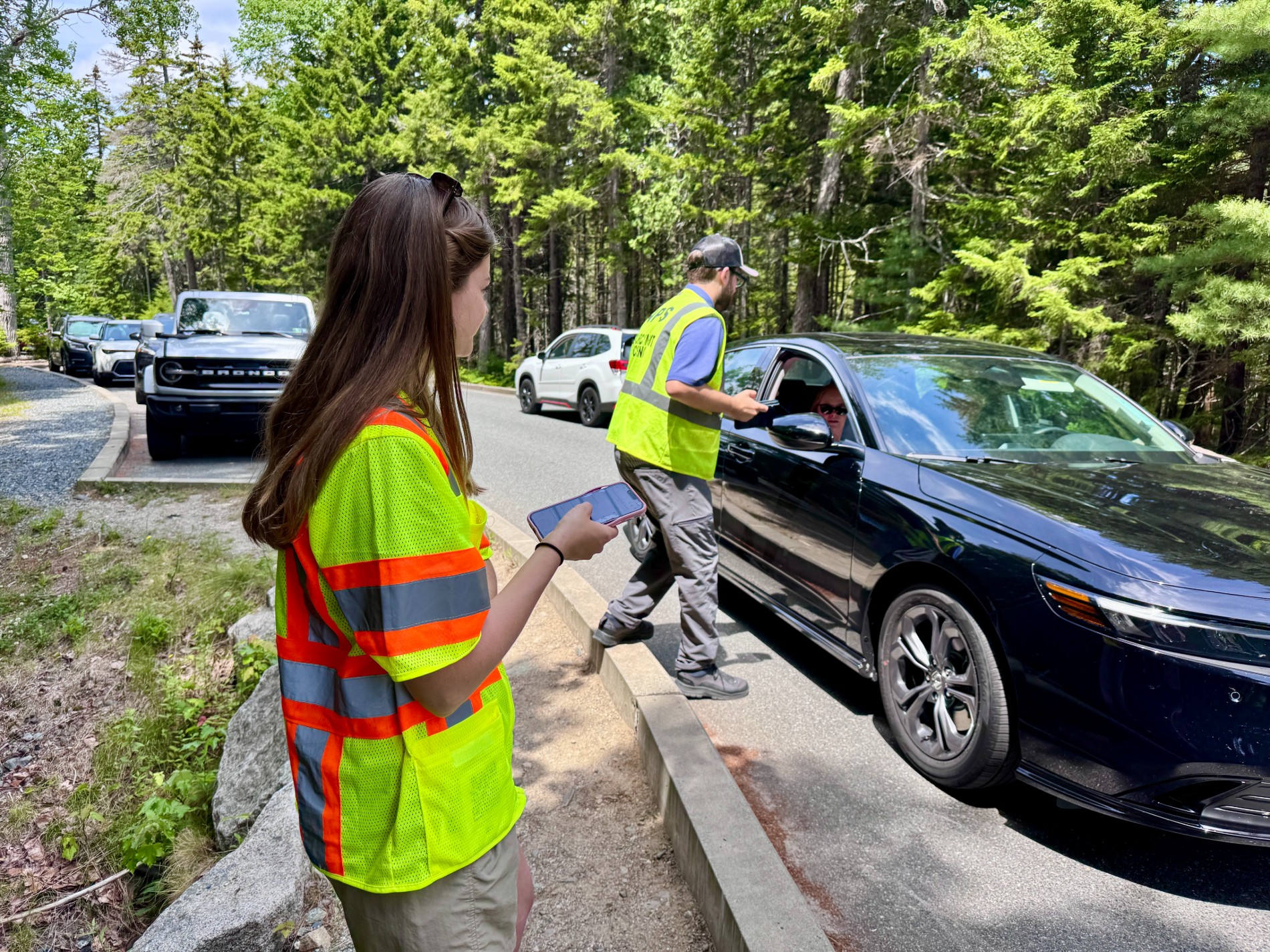
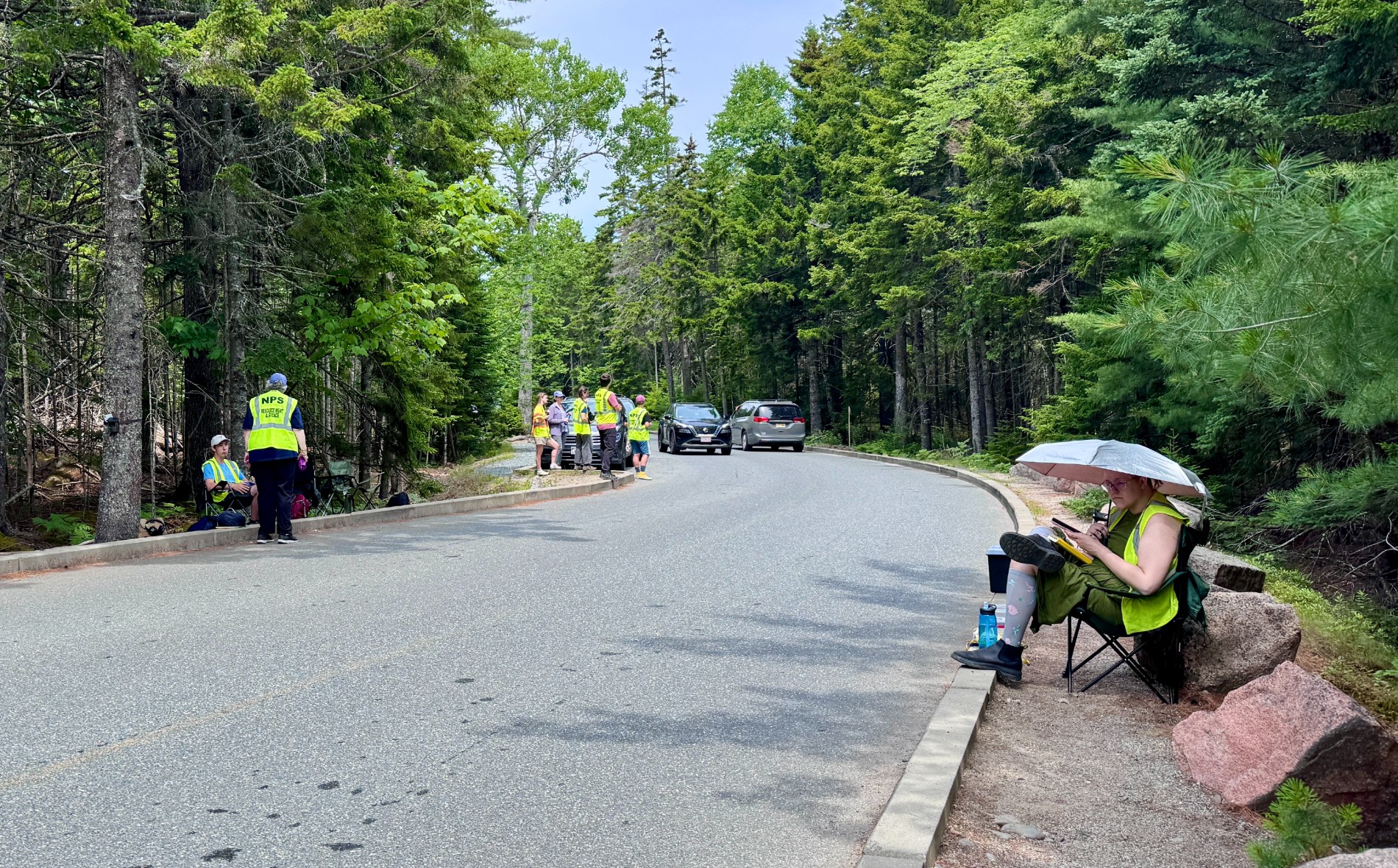
Working under Adam Gibson, social scientist at Acadia National Park, Friends of Acadia’s Recreation Technician team gathers data about how visitors move about the park through in-the-field monitoring, research, and case studies. Their findings help inform future decisions made by park resource managers.
Led by Recreation Technician Manager Becca Stanley, this year’s seasonal Recreation Technicians were Taylor Bogucki, Jillian Eldridge, and Ella Johnson.
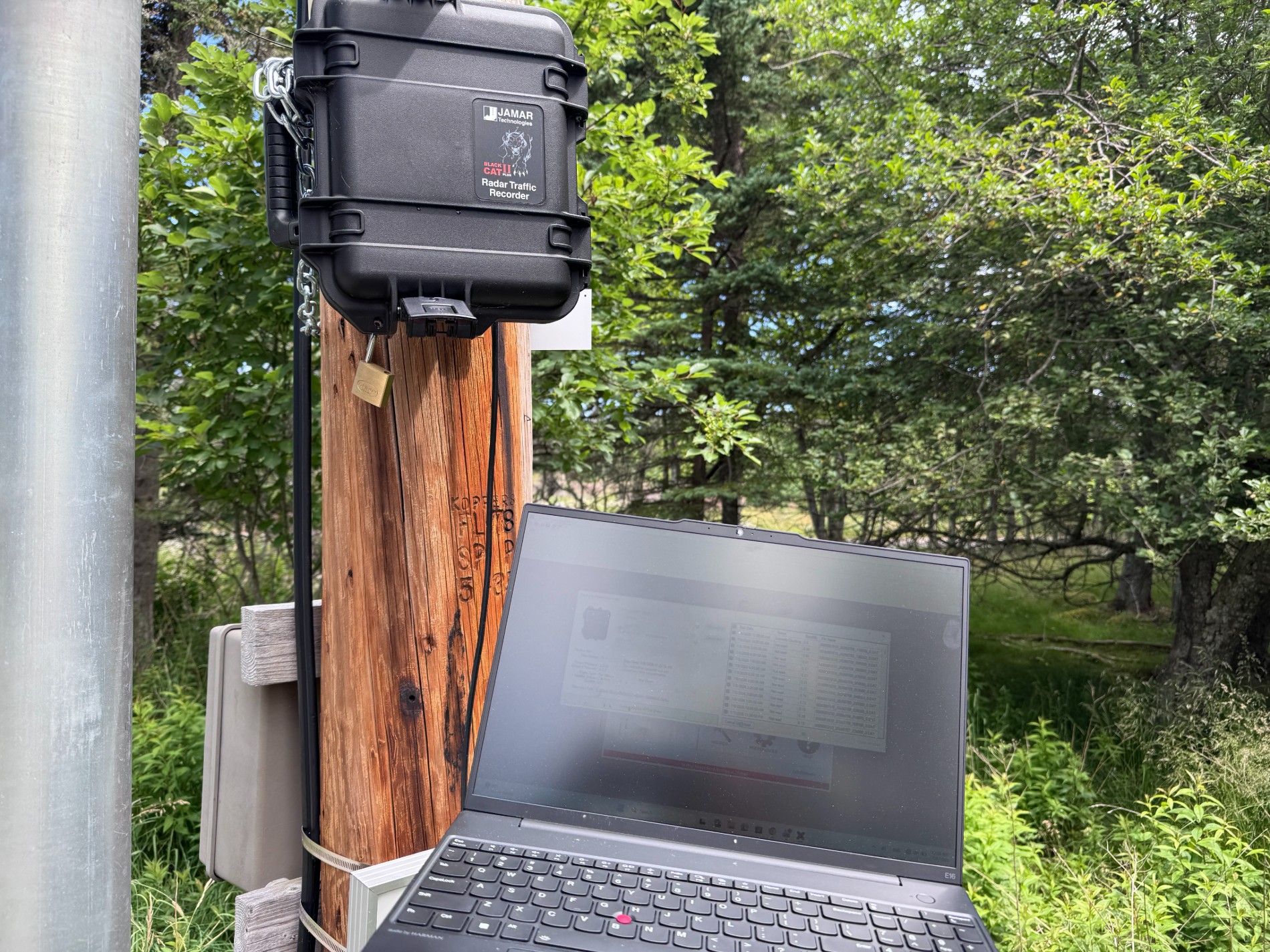
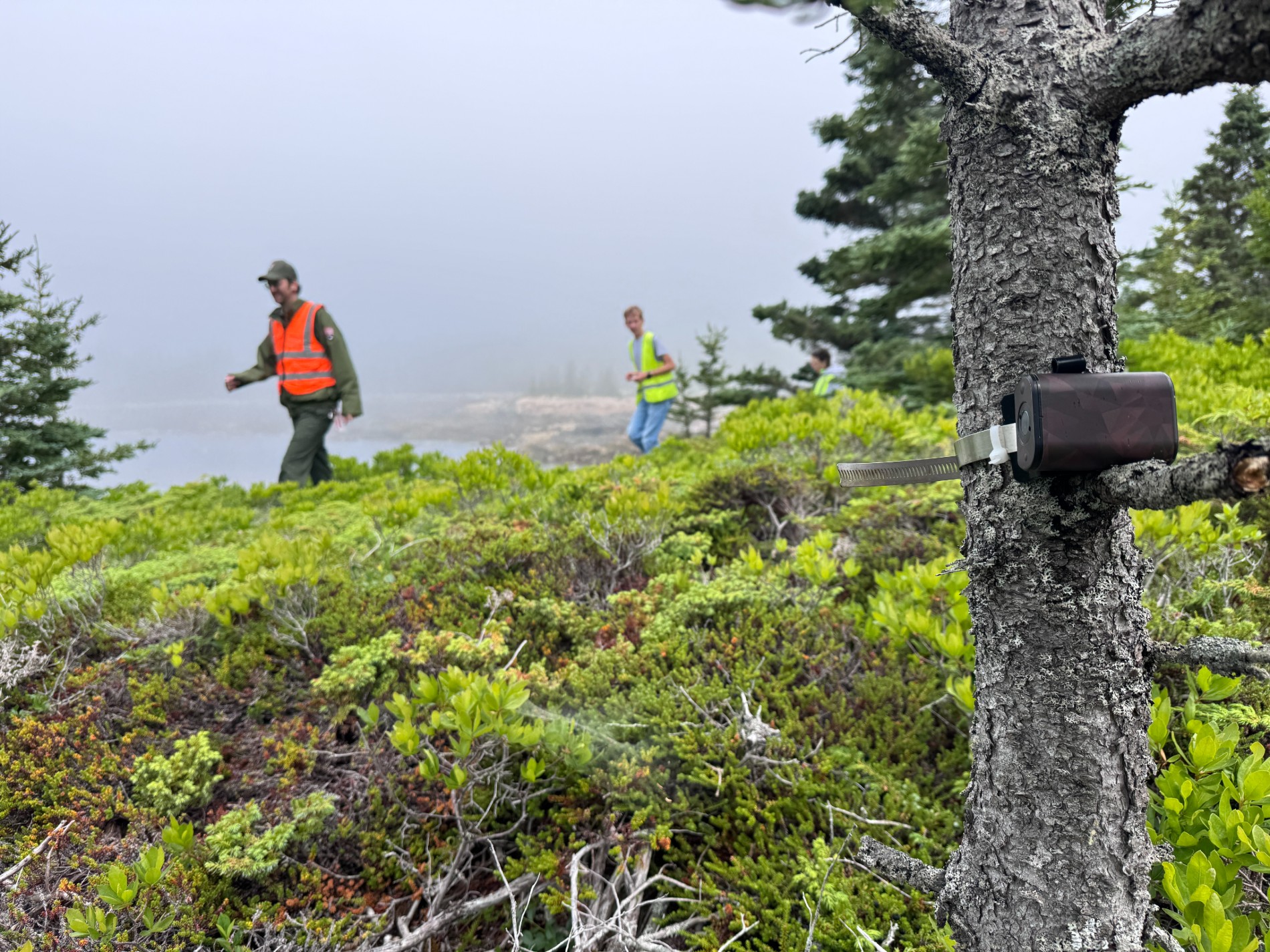
This season, Recreation Technicians employed and monitored 12 traffic counters on Acadia’s roads and 41 counters on the park’s trails and carriage roads. They routinely spent time in the field validating the data gathered.
They conducted a good deal of research, too, including hundreds of in-person visitor surveys at the Acadia Gateway Center and Hulls Cove Visitor Center. These surveys aim to understand how the visitor centers inform and influence trips into the park and transportation choices. Ella Johnson noted that 55% of those surveyed changed their activity plans or didn’t have a plan before their stop at a visitor center, and 25% changed their transportation plans (including deciding to ride the Island Explorer).
The team also analyzed data from popular hiking apps, such as AllTrails, to see whether app data might help predict visitor use patterns in the park.
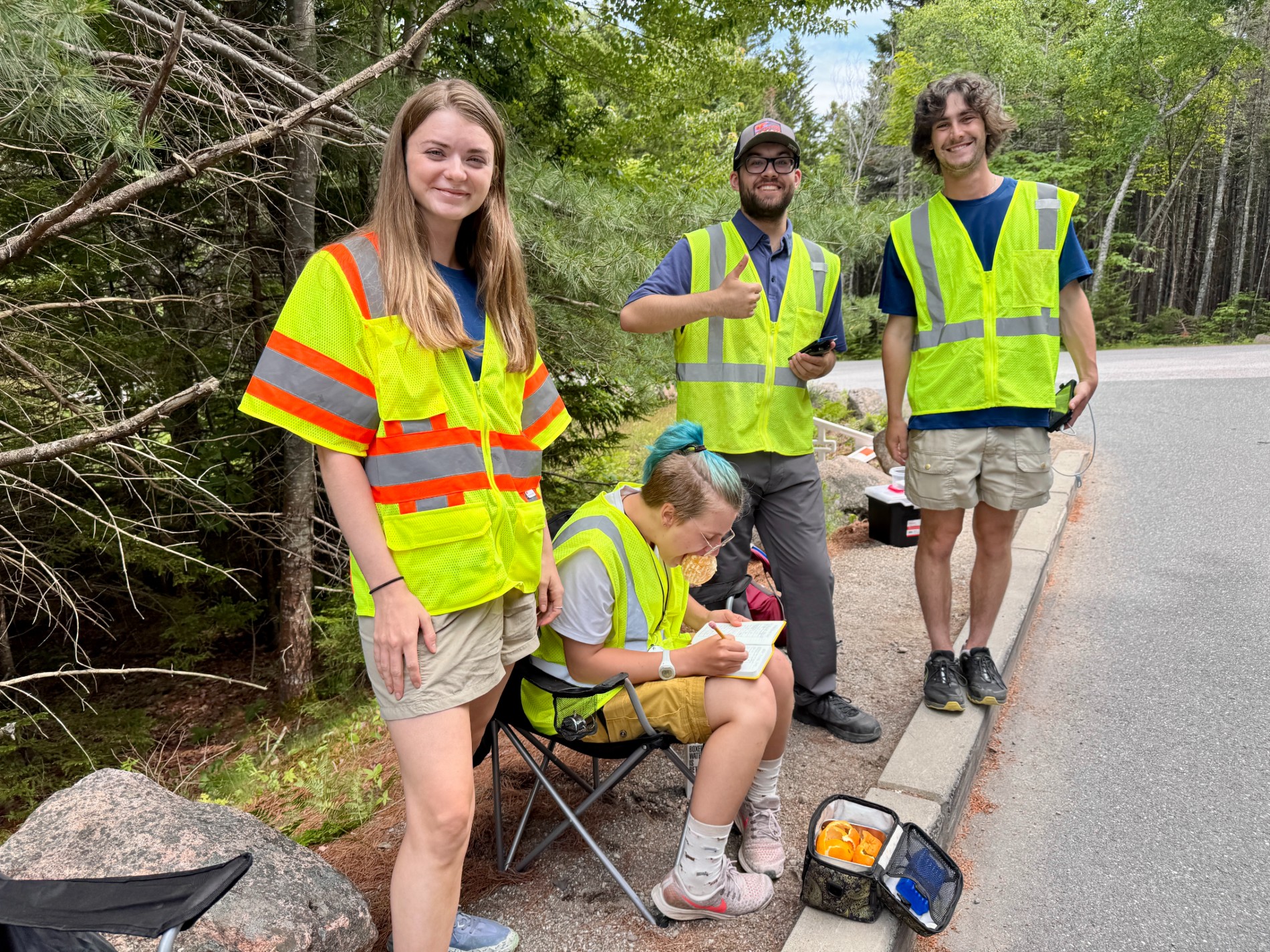
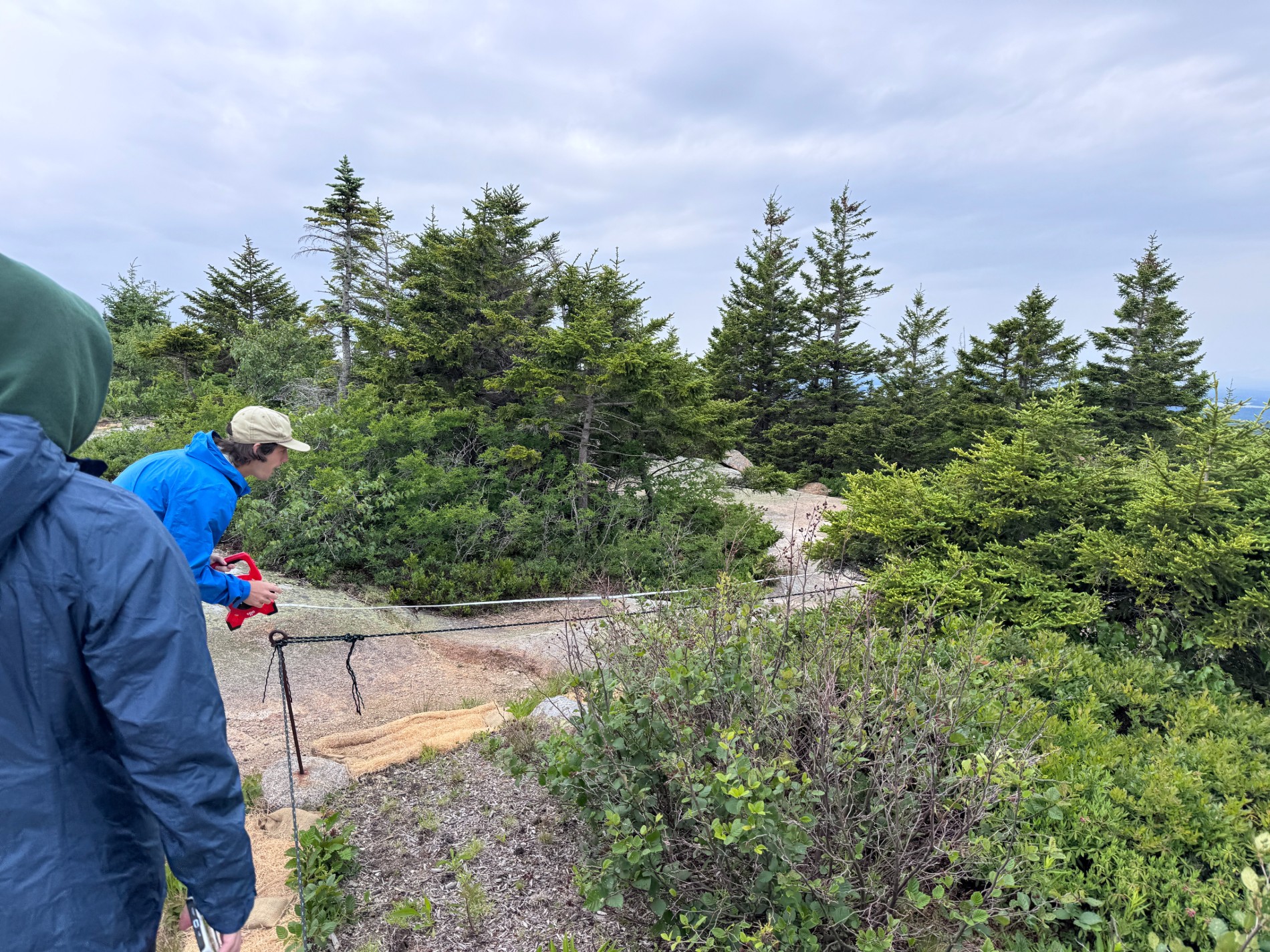
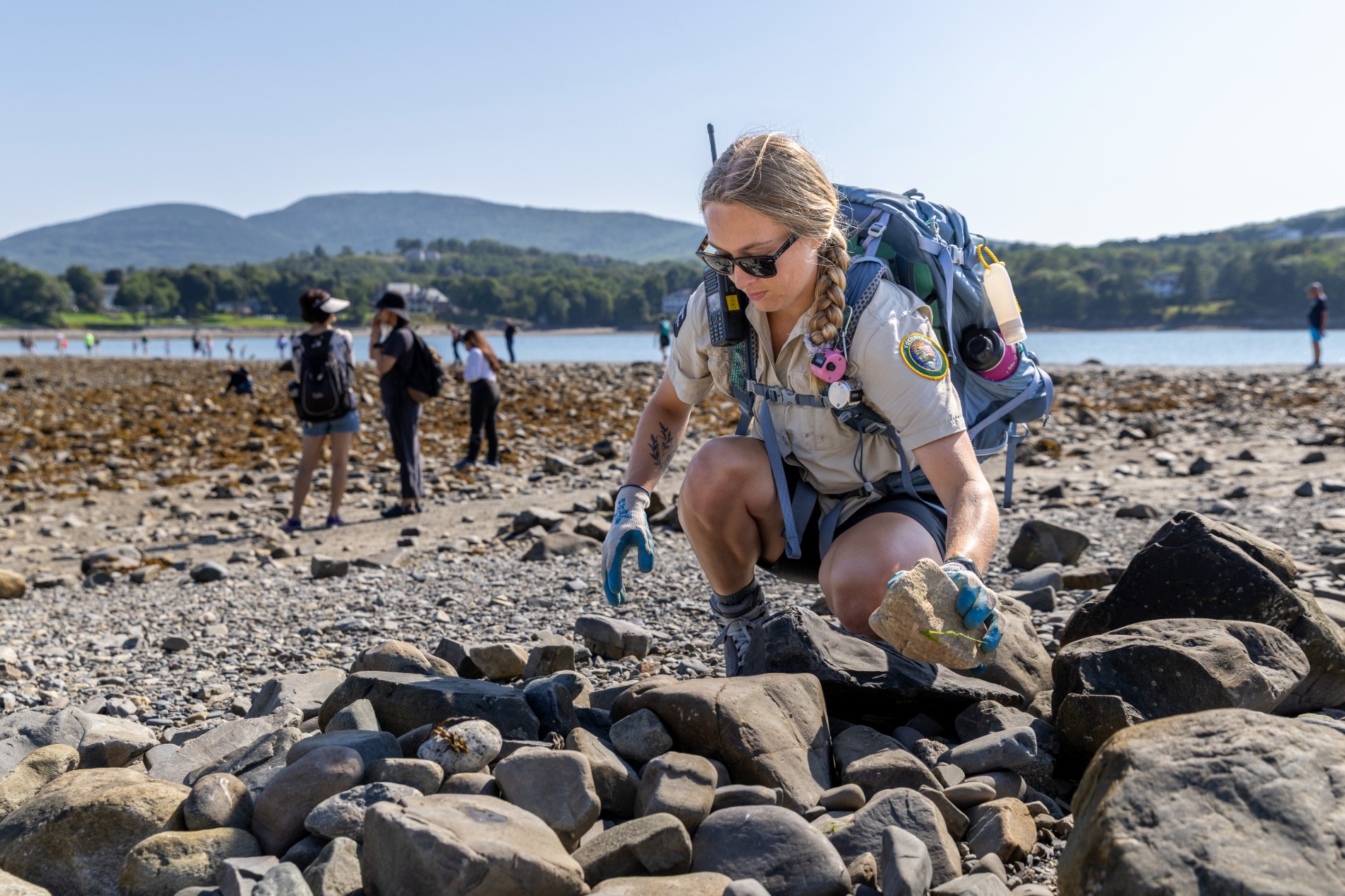
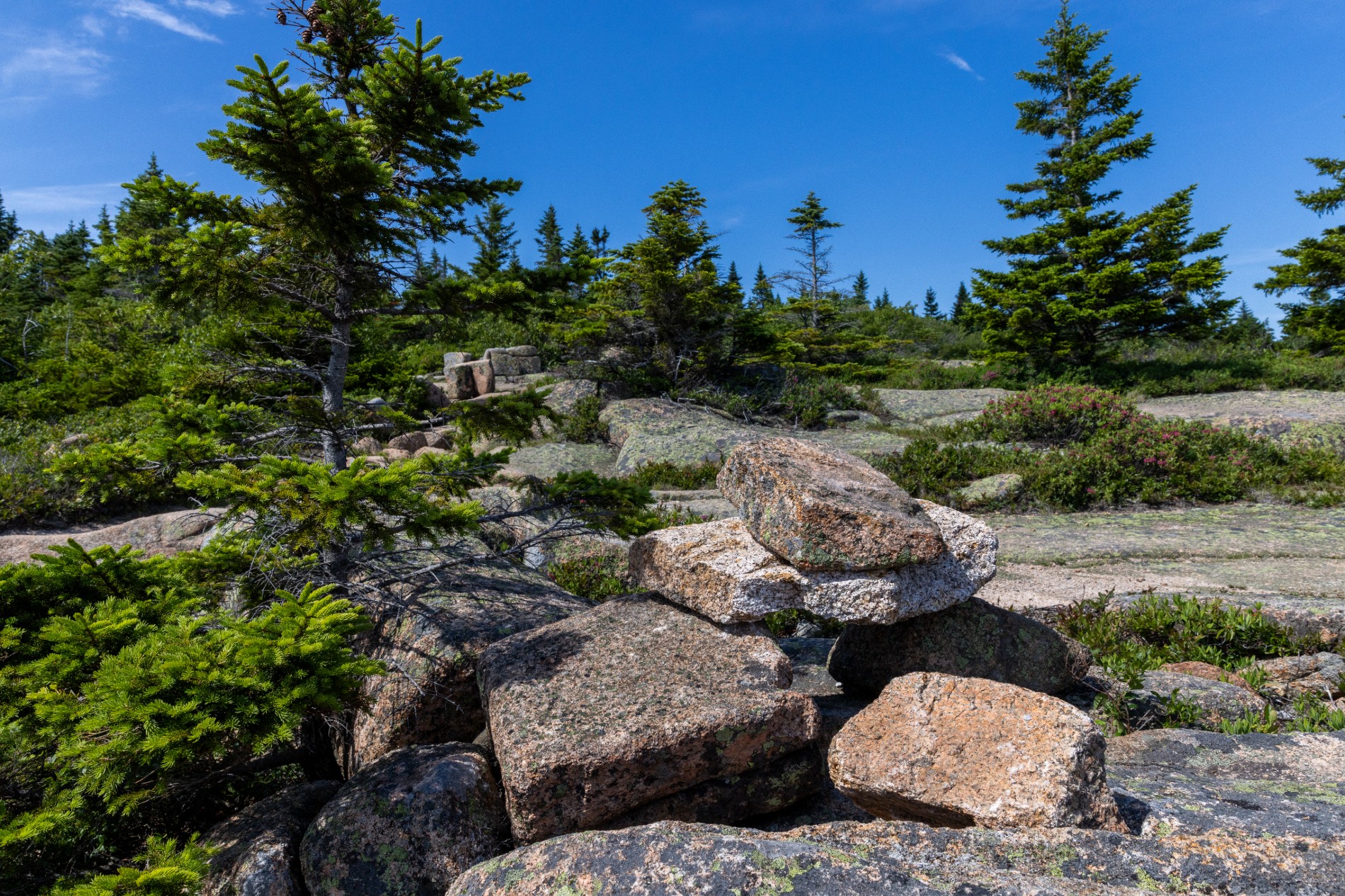
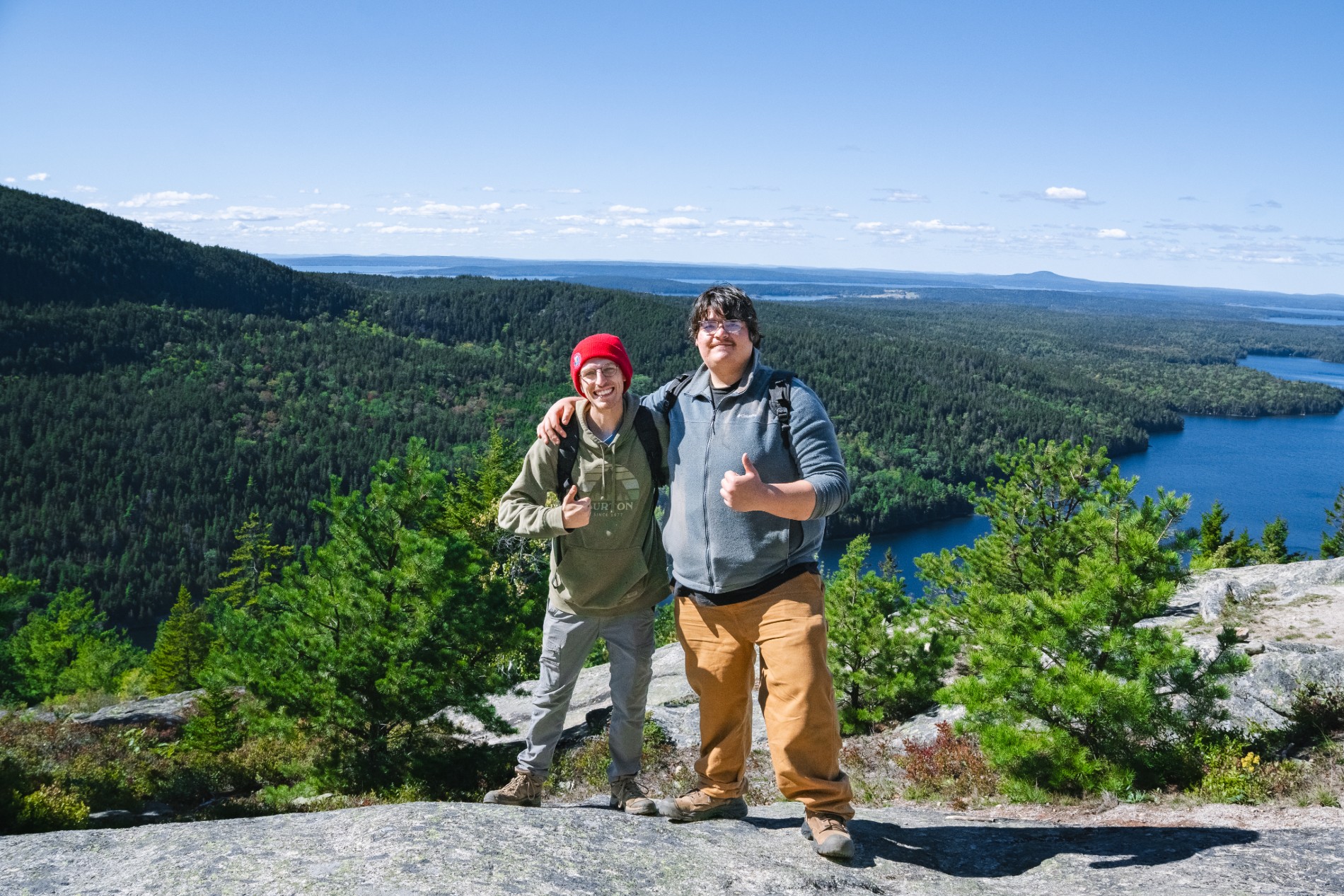
Friends of Acadia’s Summit Stewards spend thousands of hours each summer and fall on Acadia’s summits and trails, answering visitor questions, conducting basic trail maintenance, repairing cairns, removing visitor-built rock stacks and rock art, and responding to emergencies. Led by Summit Steward Manager Stephanie Ley, this year’s crew included Mallory Bade, Molly Bogner, Eva Crikelair, Brianna Dittman, Alina Holliday, and Jillian Scocca.
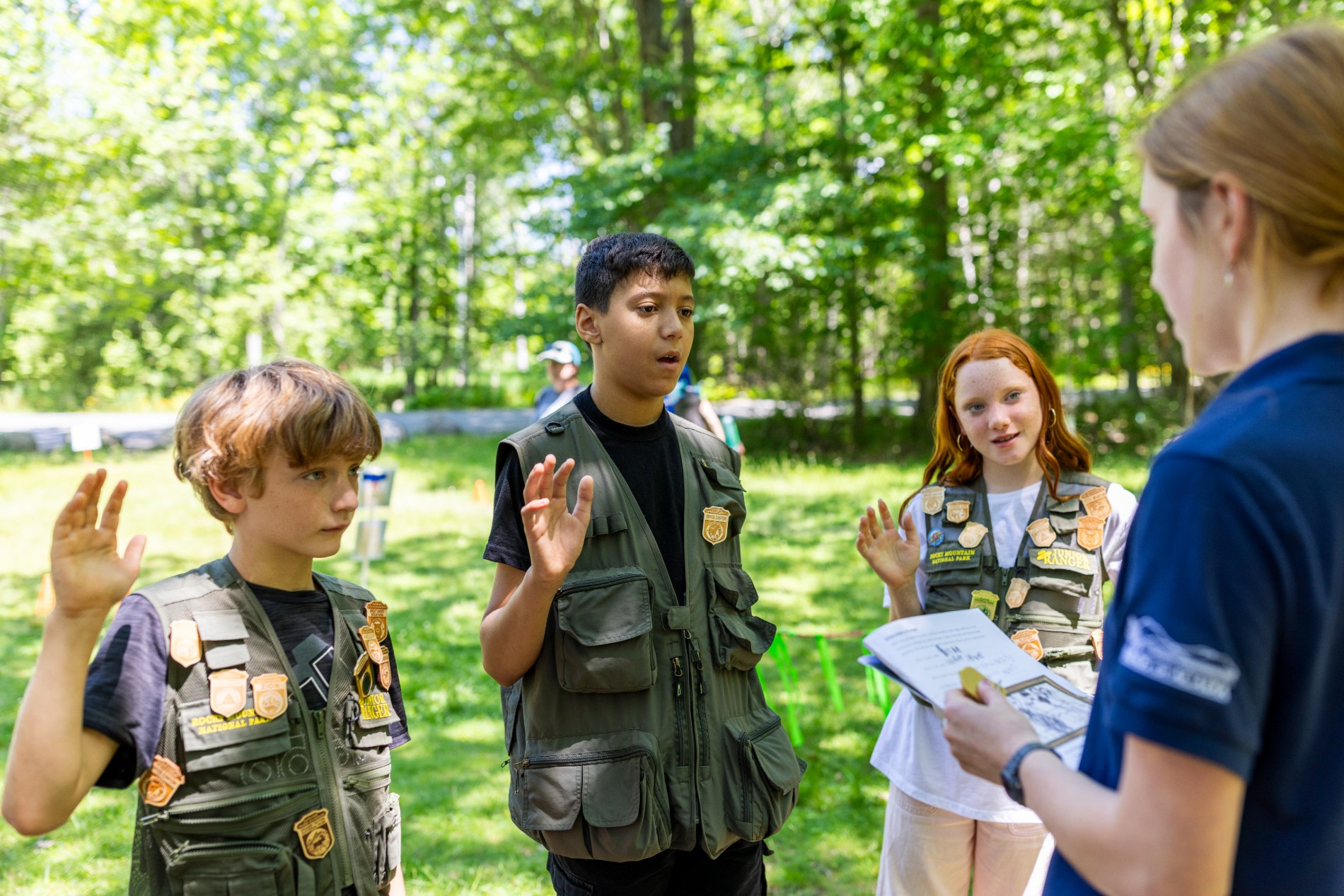
This season, they had 23,270 visitor contacts. Those conversations had wide-ranging impacts, from helping visitors be more thoughtful stewards of the park to pointing them in the right direction to a trailhead. Conversations about Leave No Trace principles accounted for 8,493 of those interactions. Summit Stewards also talked with visitors about Wild Acadia projects, especially restoration work on Acadia’s summits. They additionally swore in 37 junior rangers!
Rock stacks drew attention from the media this summer, particularly those on Bar Island, where visitors often build them. Summit Stewards dismantled 703 rock stacks around the park—297 of those on Bar Island — and worked to educate visitors about how moving rocks can contribute to coastal erosion and disturb important habitat for intertidal wildlife. Conversely, they built and rebuilt 860 official navigational Bates cairns in the park that help to mark trails on treeless sections of mountains, including Cadillac, Gorham, and Champlain. They also noticed a new trend this season: forts built in the woods with branches and torn-up moss. Those structures were disassembled and the materials dispersed.
On top of all that, the team contributed 53 hours to search-and-rescue efforts and assisted 43 visitors in need, providing water, administering basic first aid, and helping lost visitors find their way.
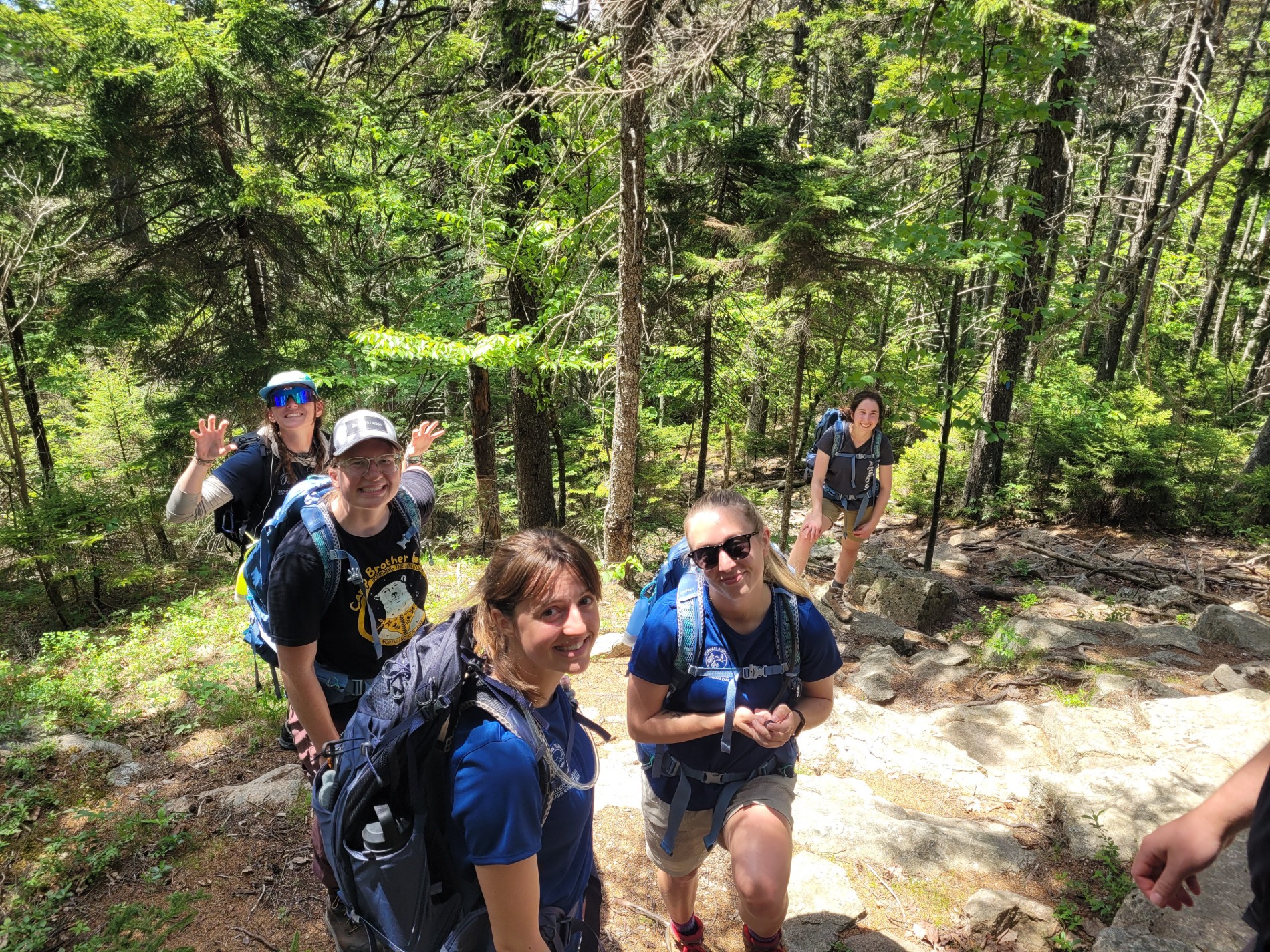
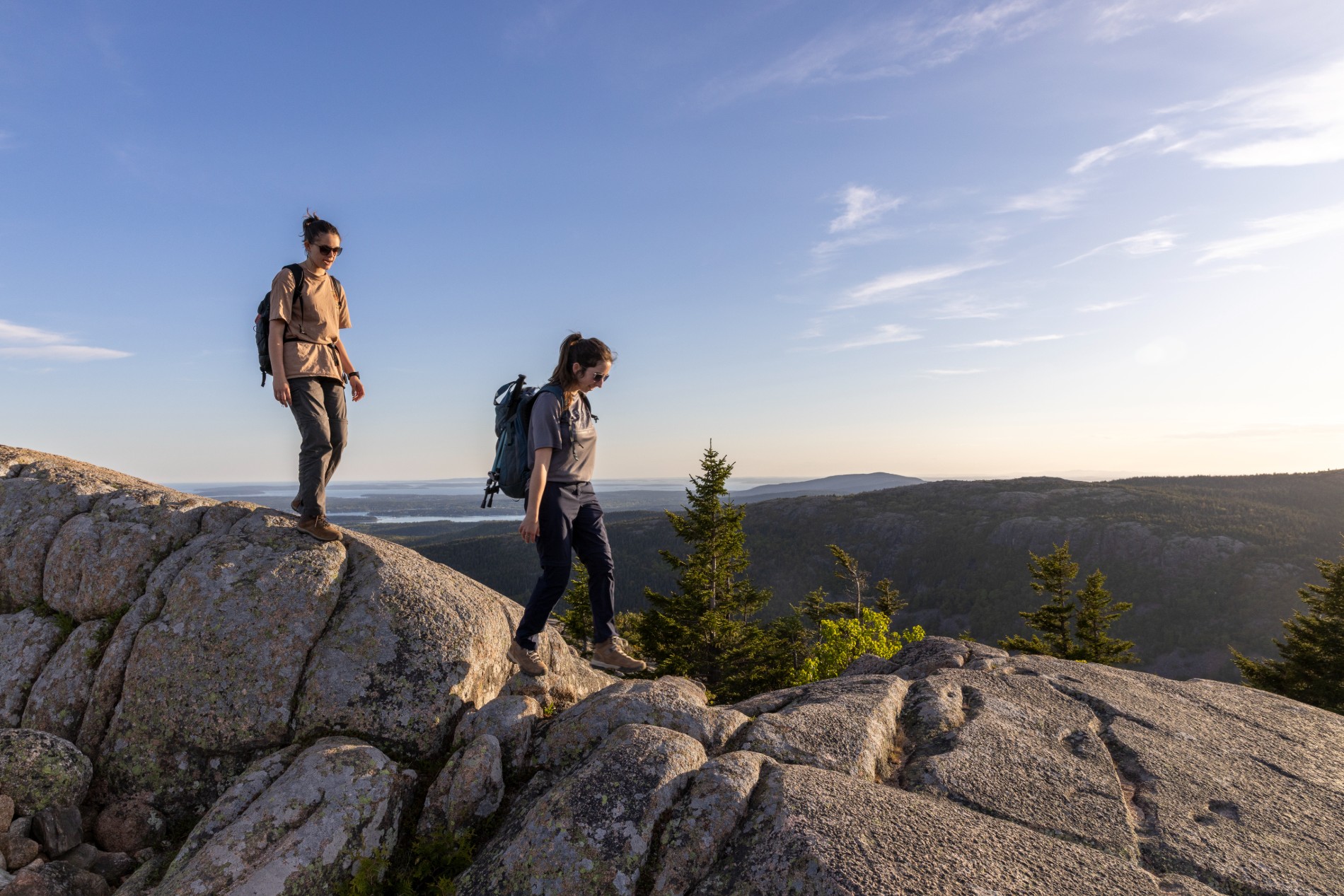
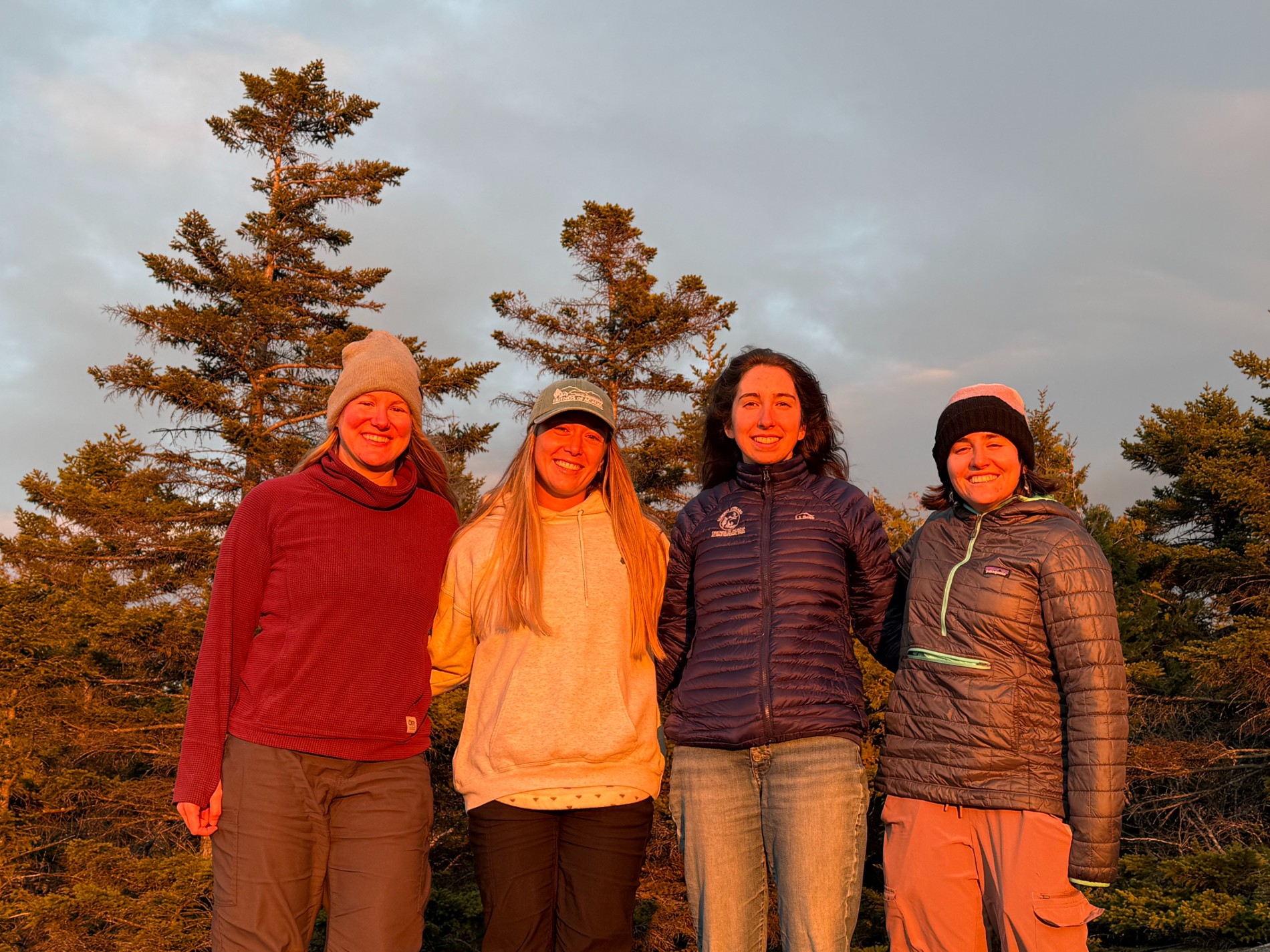
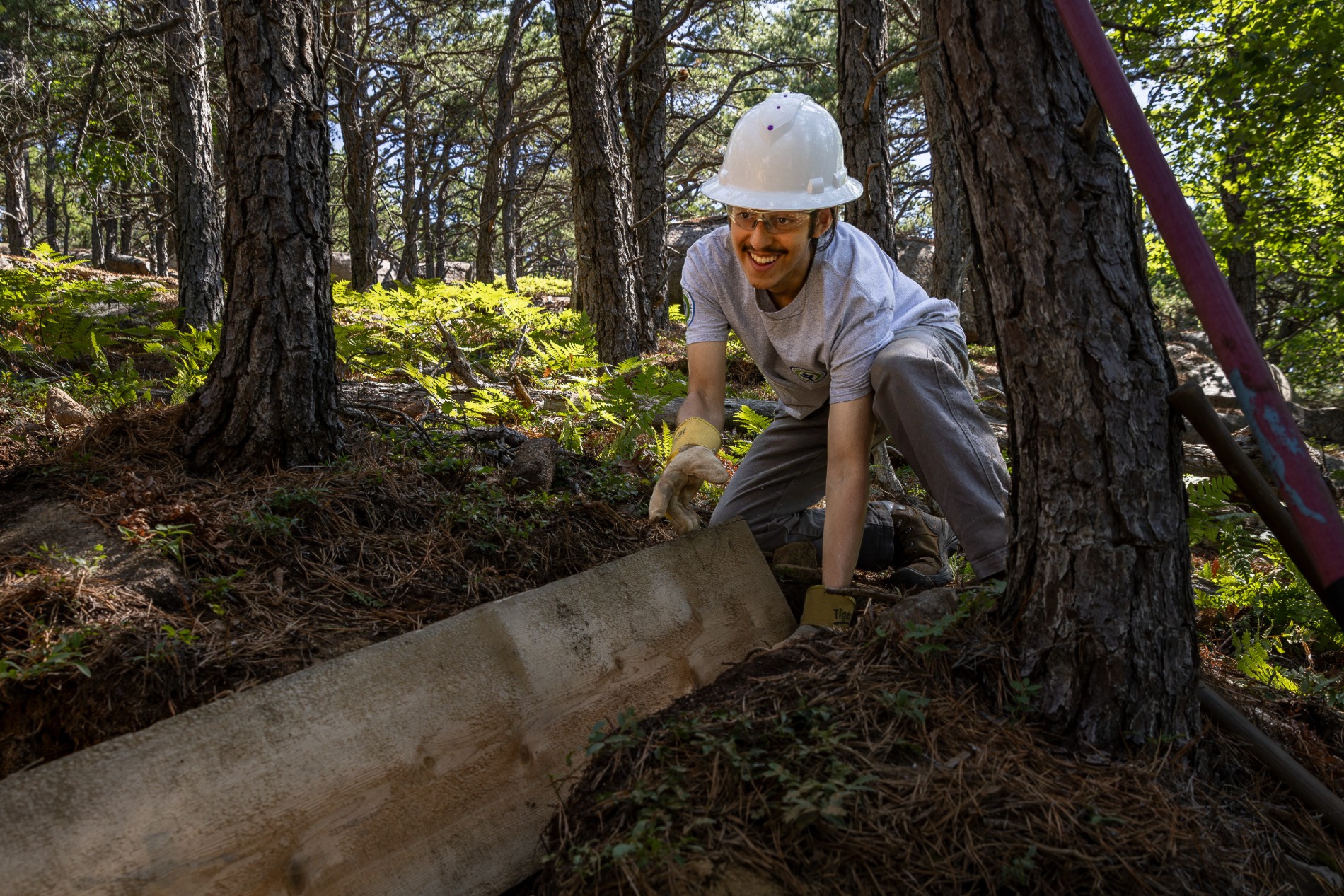
Our Stewardship Crew completes hands-on projects on Acadia’s trails and carriage roads that complement the work of park crews. Each season, that work entails cutting back overgrown vegetation, clearing drainage features, building bogwalk, and weeding carriage roads, among many other things. They welcome loads of volunteers to help out each season, too.
This year’s Stewardship Crew was led by Stewardship Manager Brian Sale, Stewardship Assistants Katie Chinn and Luke Fiermonti, and 20 Volunteer Crew Leaders who helped projects run smoothly.
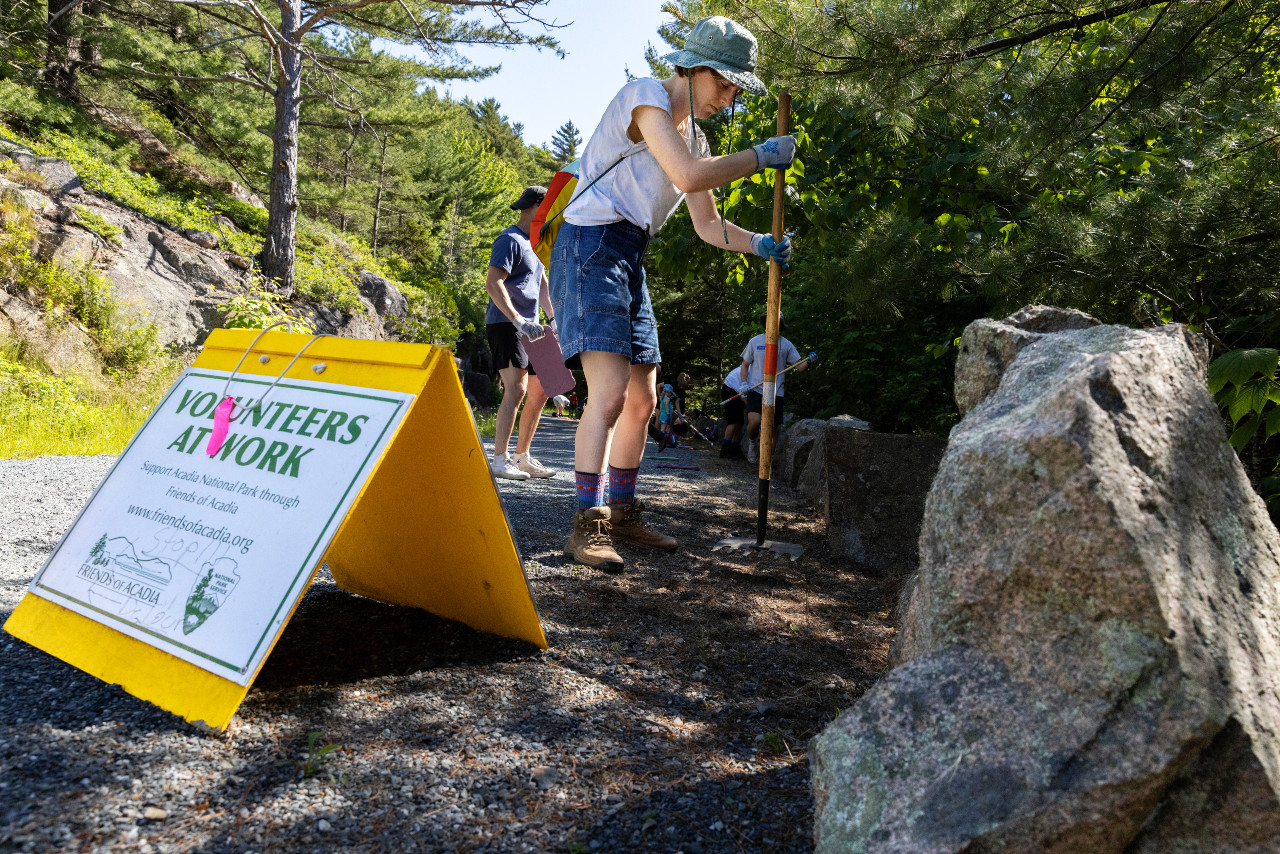
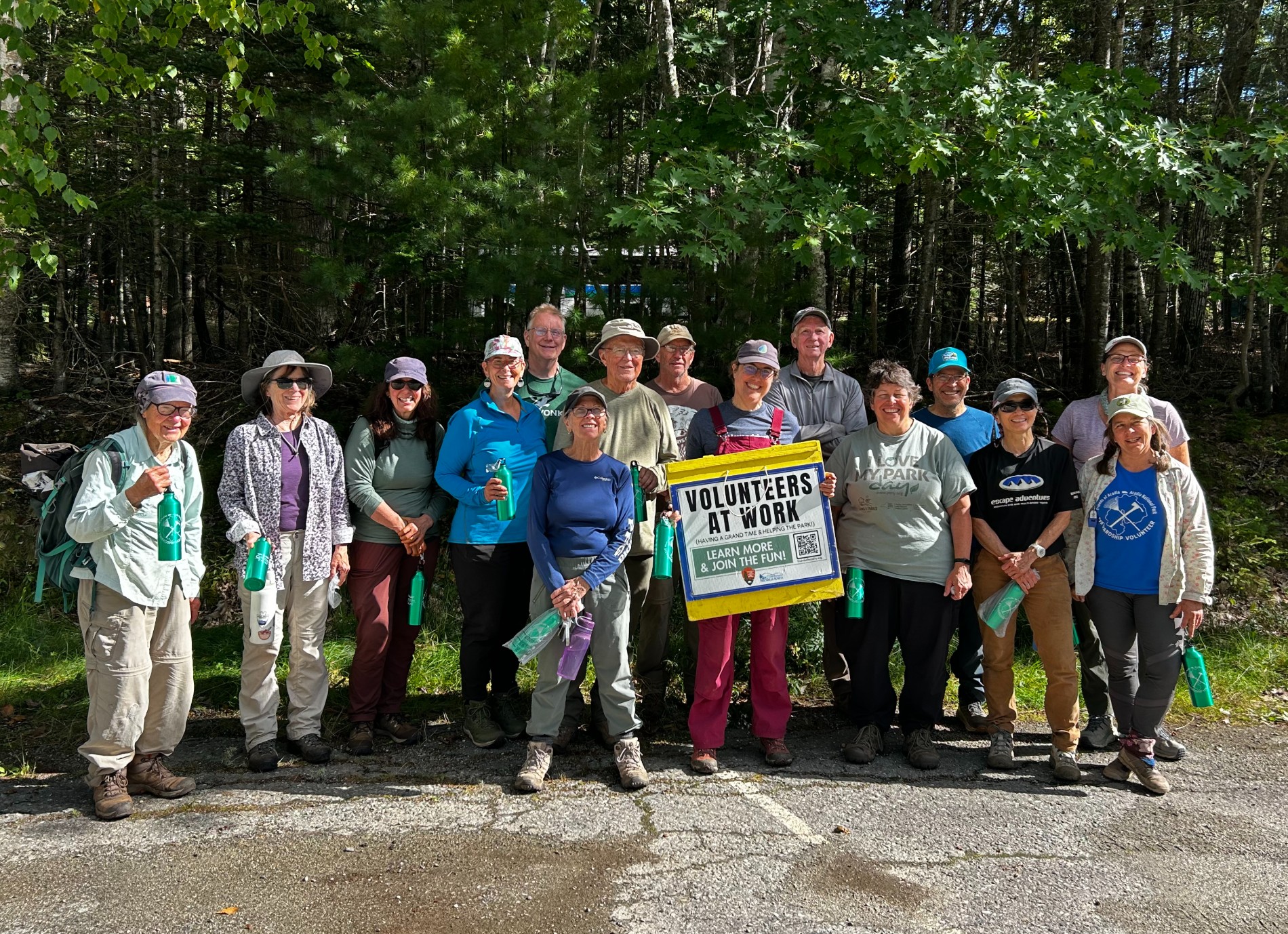
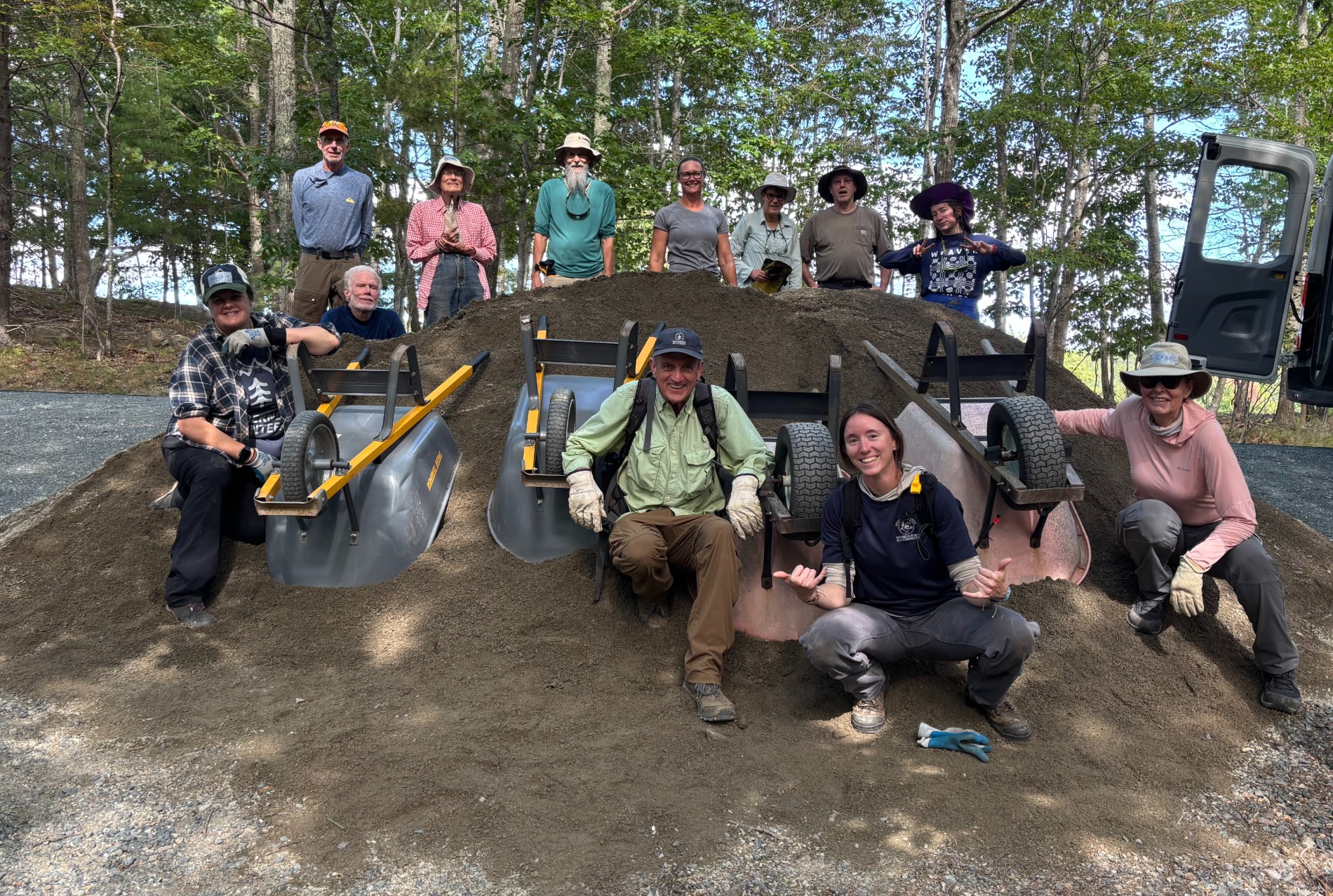
The Drop-in Volunteer Stewardship Program welcomed nearly 1,000 volunteers this season, completing 4,365 hours of work. Volunteers cleared drainage, repaired fences, brushed in trails to deter the use of social paths, and trimmed back vegetation to keep the right path easy to see and navigate.
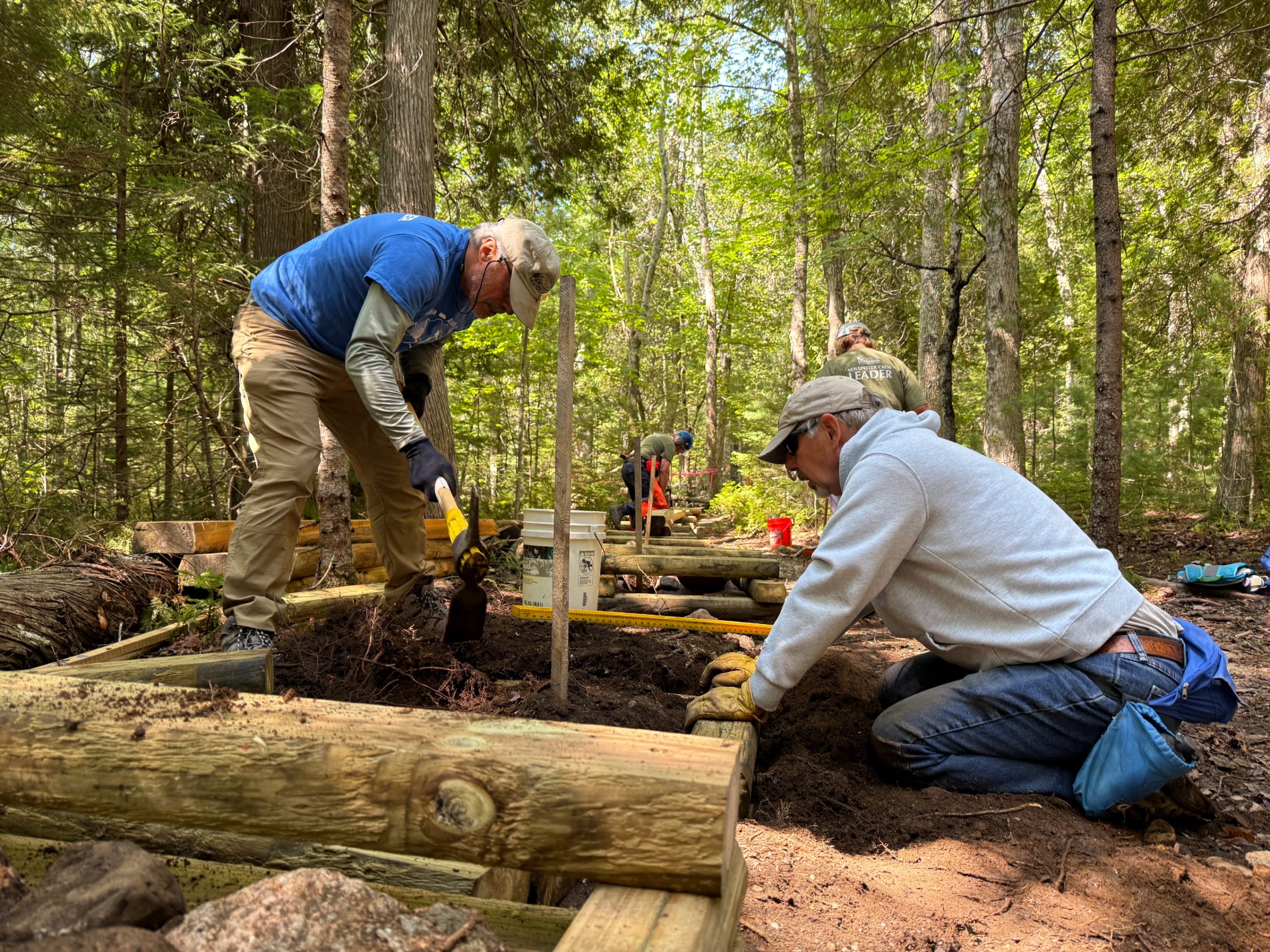
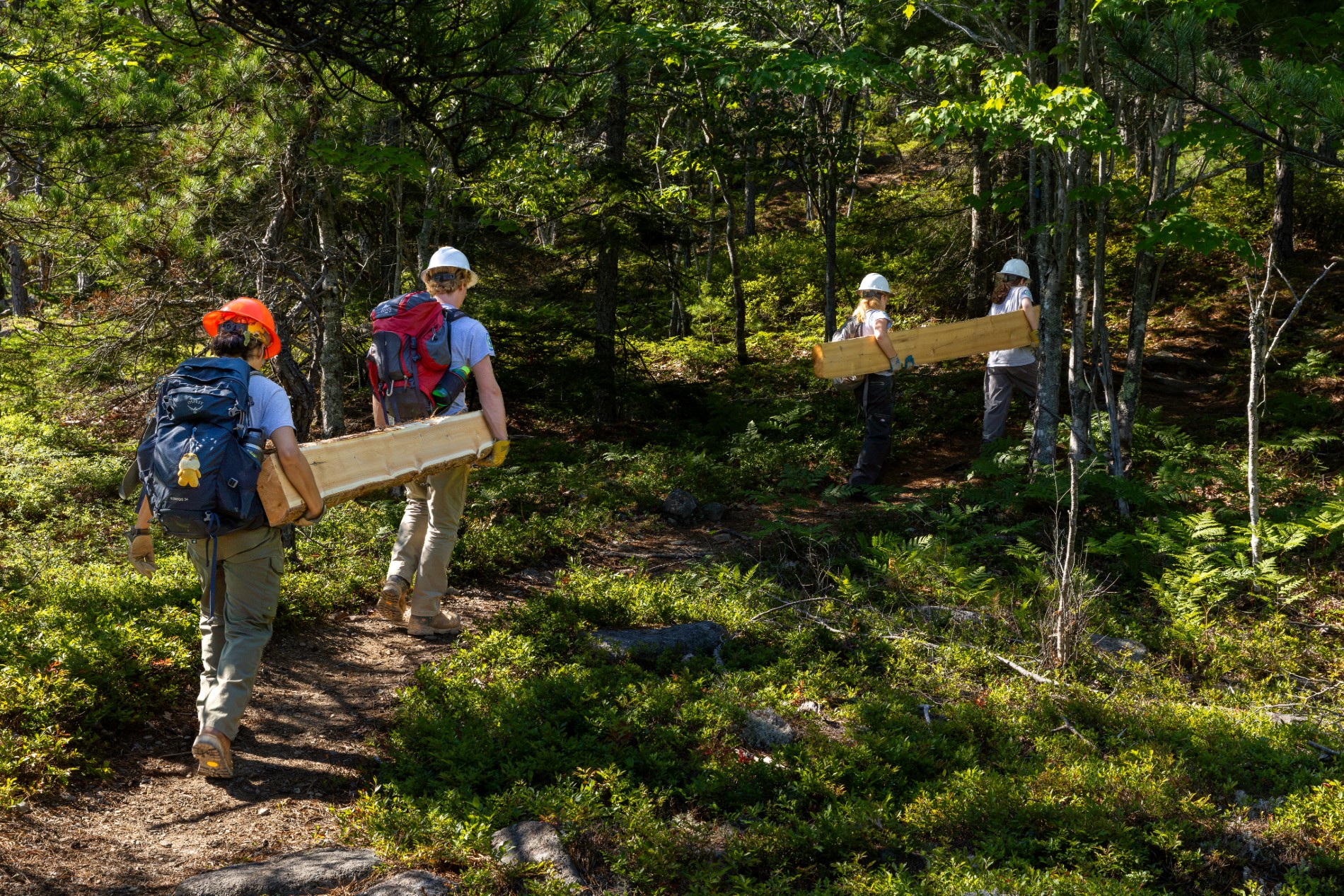
Special projects this season included repairing the Jordan Pond Path bogwalk and installing 130 feet of new bogwalk on both the Hadlock Brook Trail and the Hadlock Pond Trail. They also built 30 picnic tables, constructed planter boxes for native seedlings, replaced signs, and applied hundreds of “bird dot” decals to windows on multiple park buildings to deter bird strikes.
The Stewardship Crew also welcomed a host of service groups—from schools and running clubs to groups from the Coast Guard, AMC Echo Lake, Johns Hopkins, and the Sierra Club.
Interested in learning more about this work? Seasonal digital content creator Abbie Brown teamed up with the Volunteer Crew Leaders on a video series illustrating what volunteering on the trails and carriage roads looks like. Discover what “flossing” and “brushing” really involve—and learn how you can get involved with no prior experience: friendsofacadia.org/stewardship-volunteers.
A big thank you to presenting sponsor Chilton Trust for supporting the Drop-in Volunteer Stewardship Program!
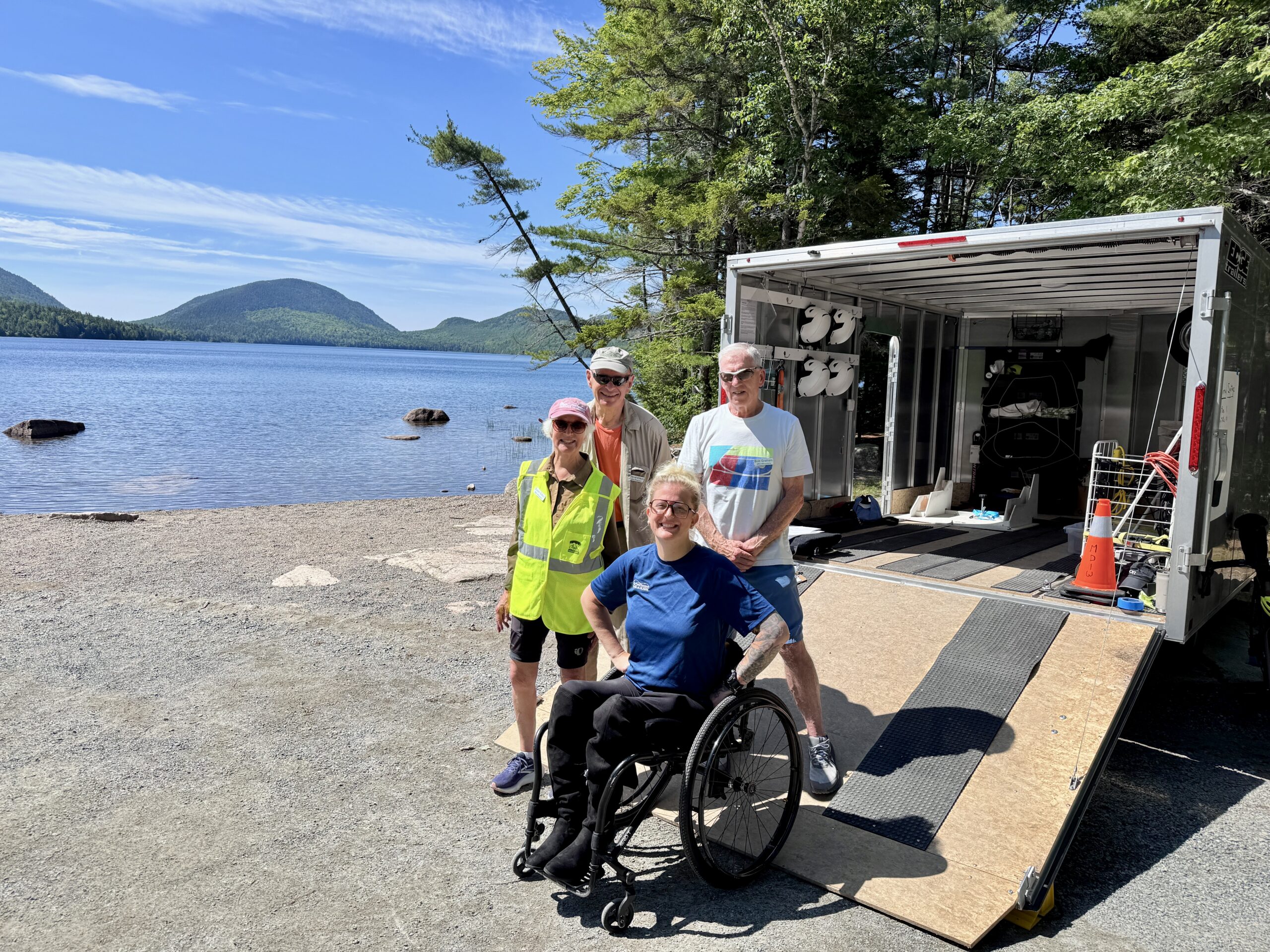
Acadia for All provides a welcoming environment to expand recreation and education access to Acadia National Park by lowering visitation barriers. This season, Acadia for All grants supported five community events to connect Mainers to the park along with ten groups who explored the wonders of Acadia. Many were guided in the park by Friends of Acadia’s seasonal Registered Maine Guide Winston Antonie, who was recognized with the Nicole Mokeme Place Maker Award at this year’s Maine Black Excellence Awards for his work expanding access to outdoor spaces for communities of color in Maine.
This year also marks the 10th year for Friends of Acadia’s Outdoor Classroom grant program. These grants support outdoor classroom projects at early learning centers and schools serving pre-K through 12th grade students across Maine. Educators use grant funding to construct outdoor classrooms, build trails, create gardens, support biking programs, and get students outside in a myriad ways. This year, grants were made to more than 10 public and Tribal schools, largely in Hancock, Penobscot, and Washington Counties.
MDI Wheelers
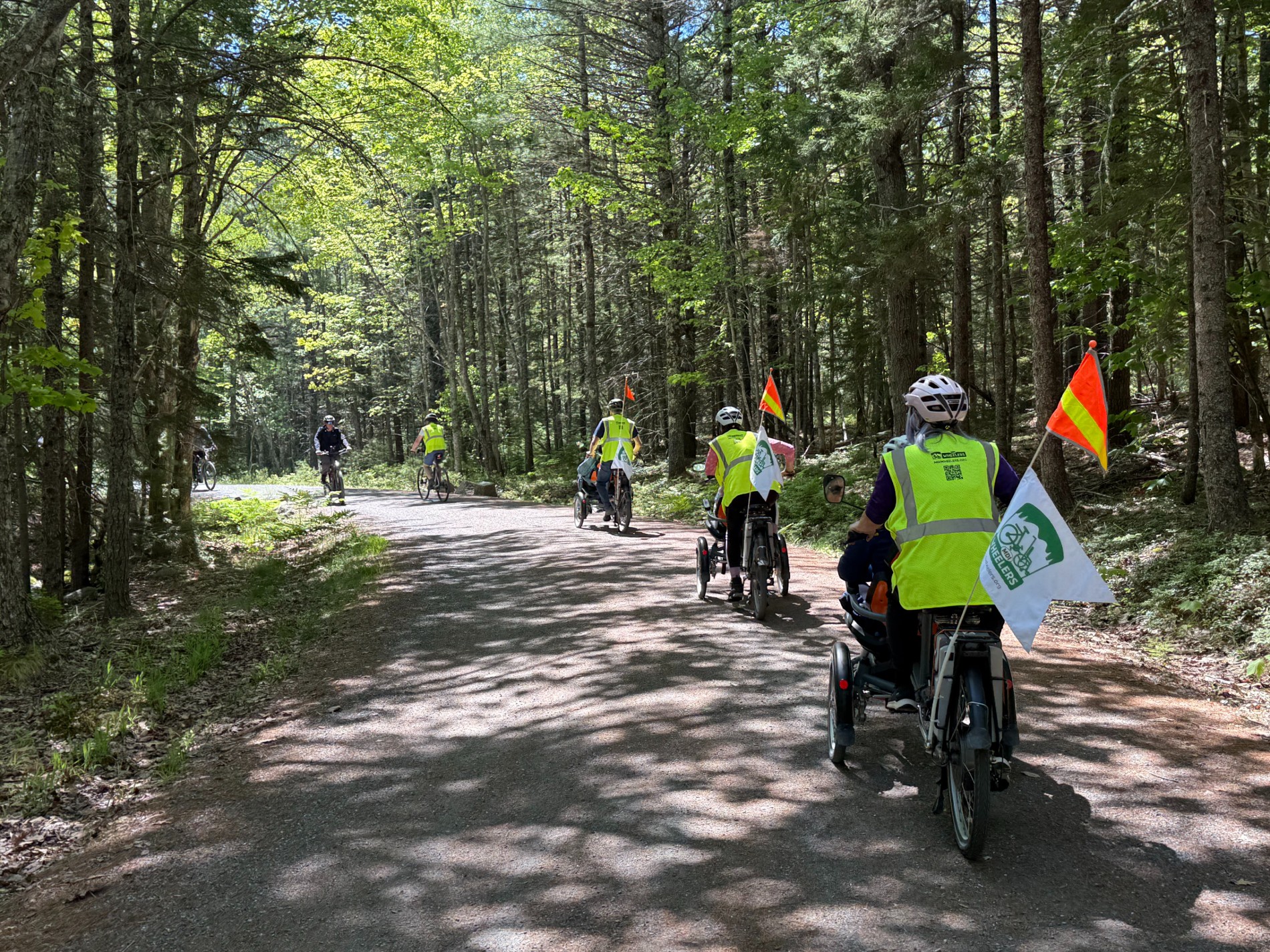
MDI Wheelers is a volunteer-run organization offering assisted adaptive tricycle rides on Acadia National Park’s carriage roads to people who are unable to ride a bike by themselves. This season, Friends of Acadia partnered with the MDI Wheelers to hire Blair Wing as Friends of Acadia’s first Adaptive Rides Coordinator to help oversee the program. Blair coordinated volunteers and riders, organized schedules, and did community outreach to spread the word about the program and increase accessibility in Acadia. The free rides, which ran Thursday and Friday mornings, welcomed 157 local residents and park visitors. By the end of the season, MDI Wheelers grew to 50 volunteers who assist as trike pilots, safety riders, and on-site support.
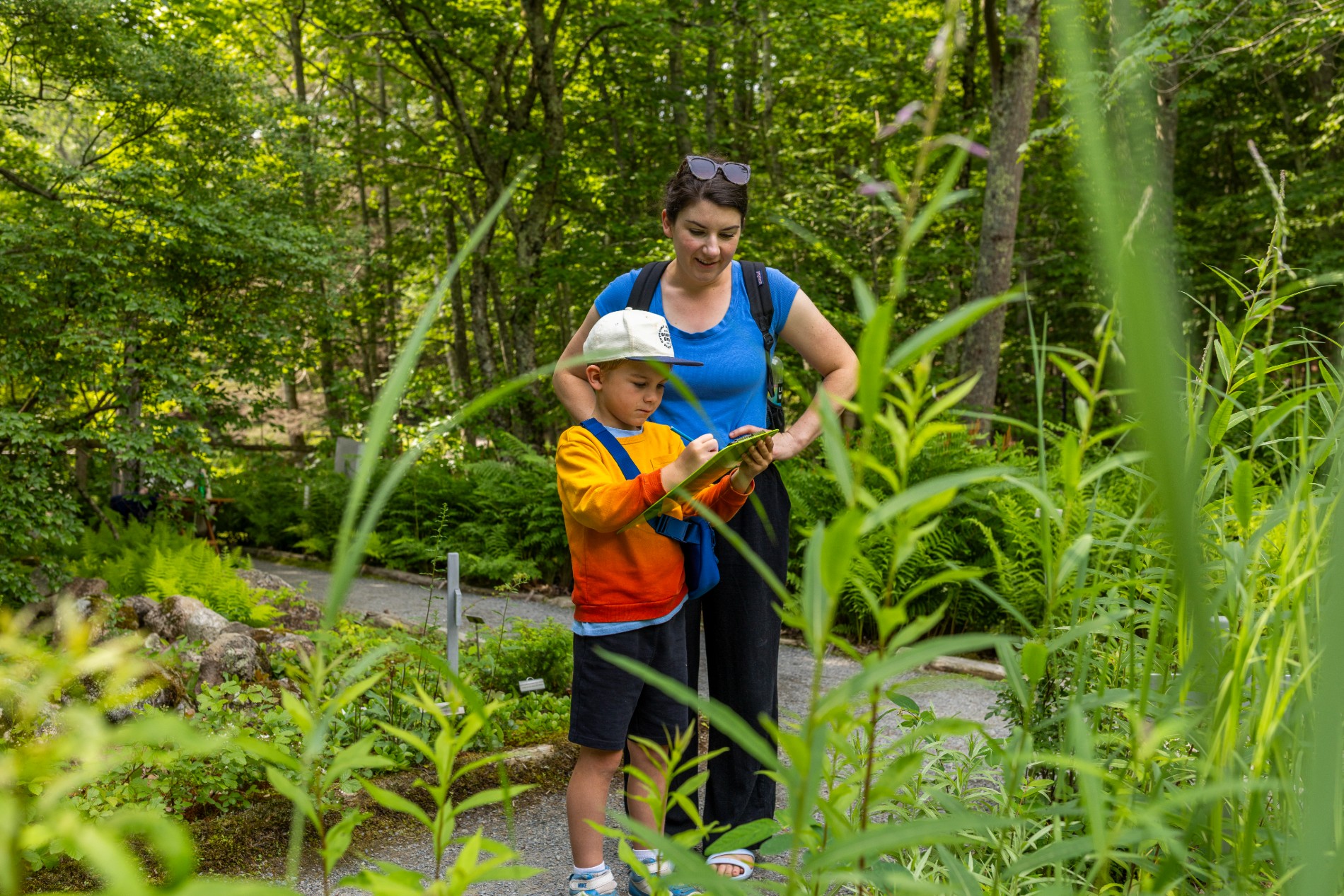
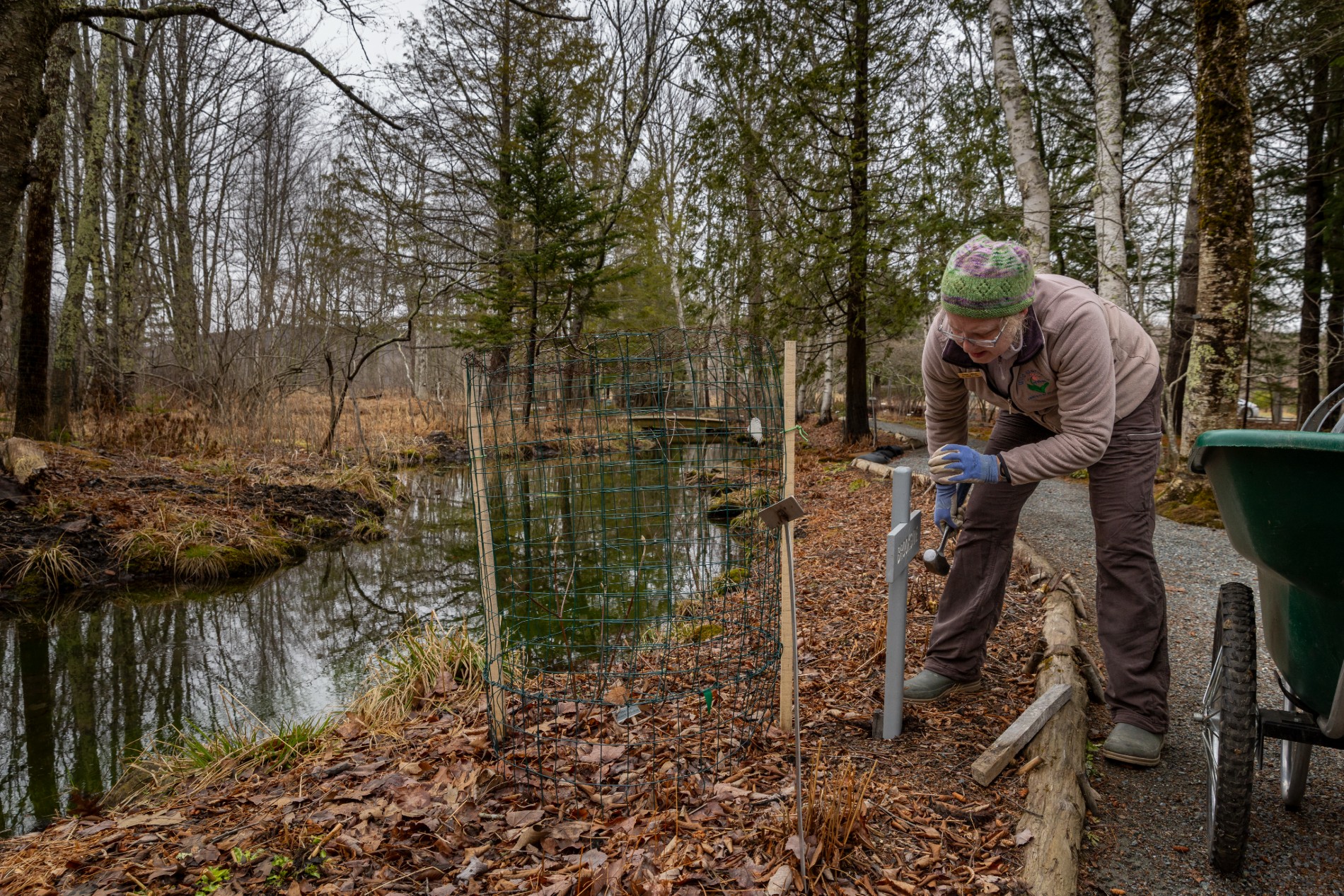
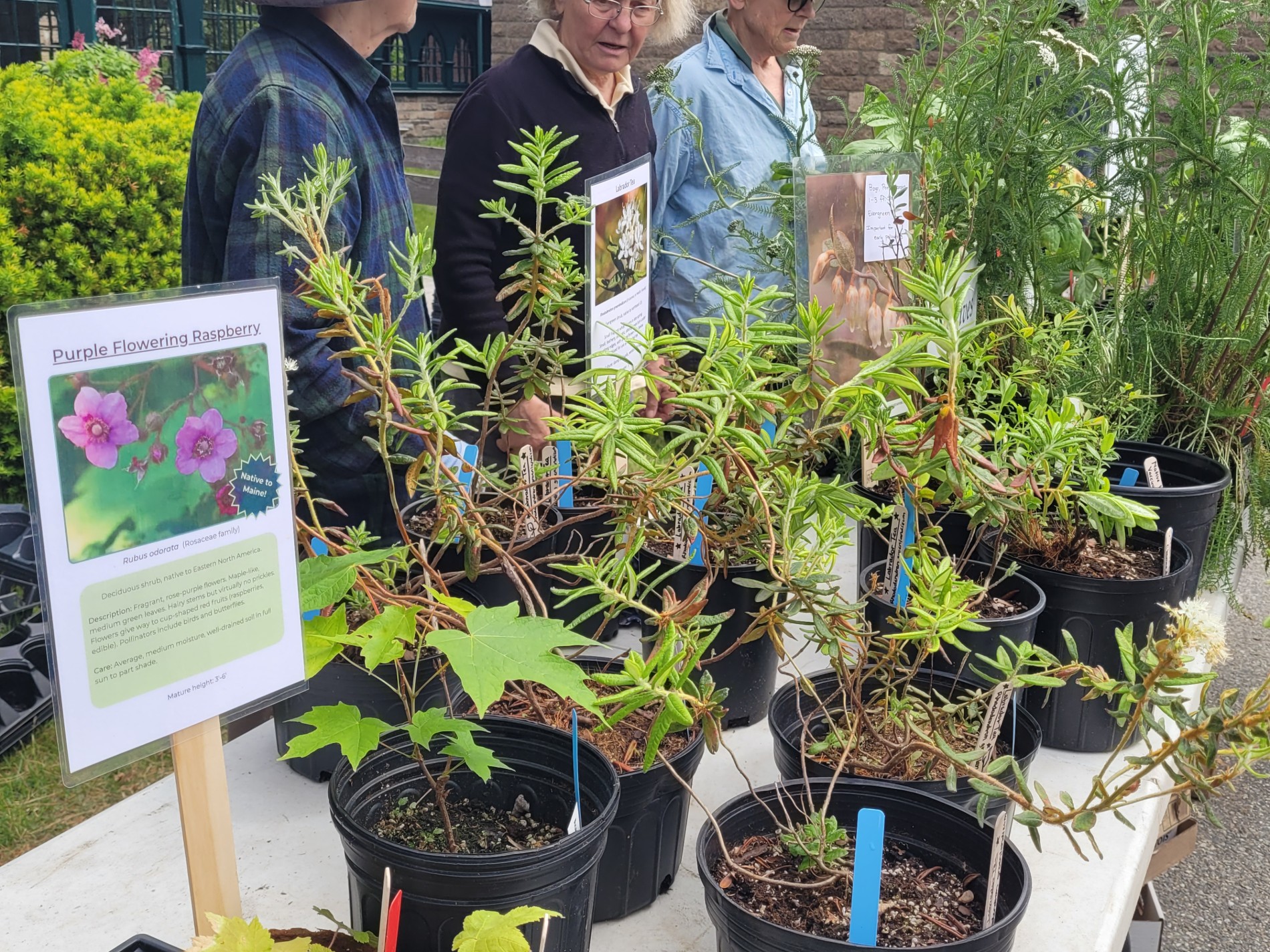
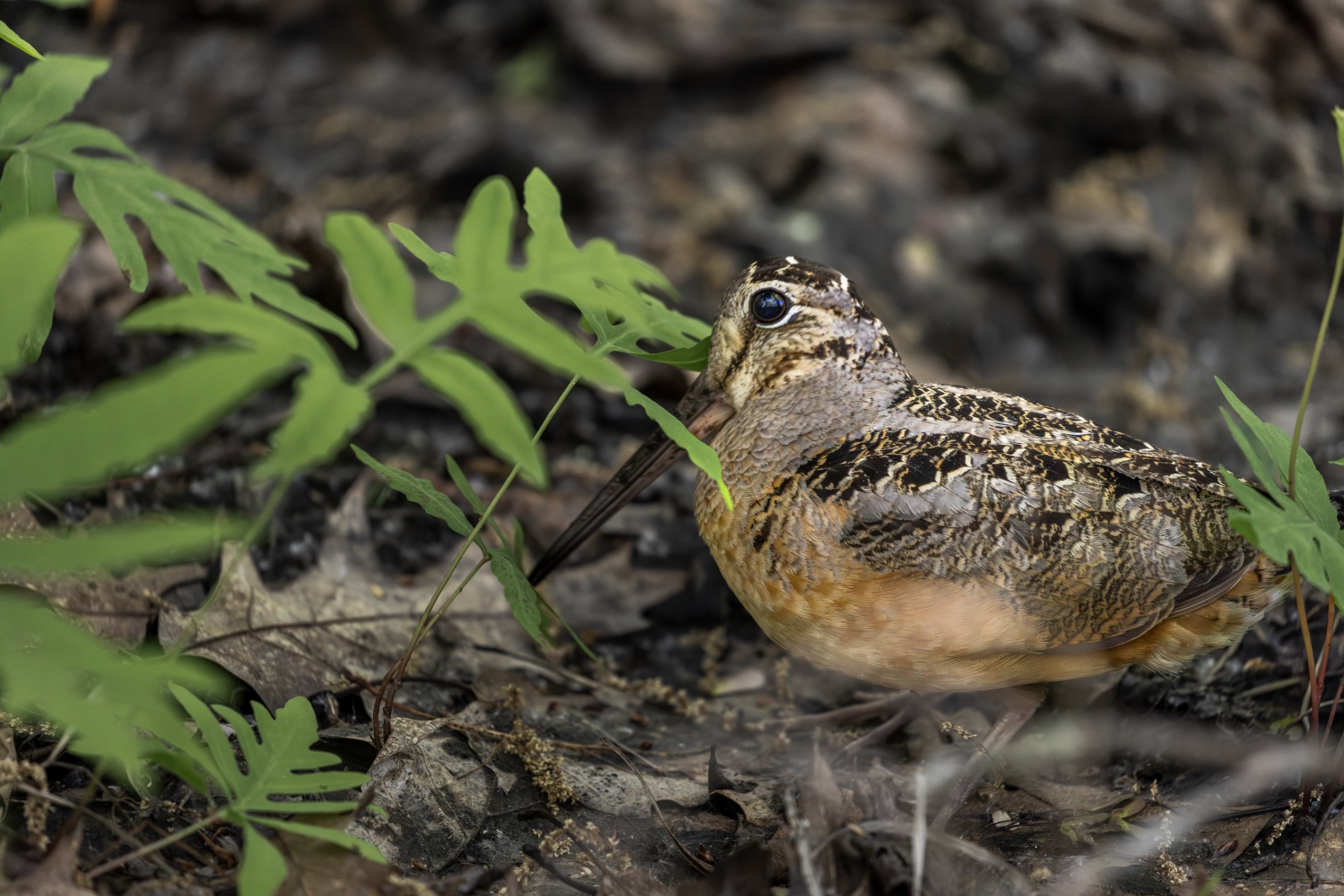
The Wild Gardens welcomed a host of visitors this summer, including curious park visitors and mink who made their home under the compost bins this winter. But spring, five kits were on the move. A successful Plant Sale in June raised funds for the gardens, and staff and volunteers worked to mitigate damage caused by porcupines. The porcupines browsed most of the fireweed and dogbane in the meadow habitat, although visitors did enjoy seeing the wildlife. One porcupine drew a lot of attention as it regularly napped on a low branch near the restroom. Watering plants was the focus by mid-summer due to drought conditions this summer, but while rain was in short supply, love was not. Two marriage proposals took place in the gardens, and more than a few brides were photographed on the Jesup Path. A familiar woodcock also returned this year to raise three chicks and capture the hearts of visitors and to raise three chicks. One woman was moved to tears since it was her dream to see one. Just one of many experiences in the gardens that enable park visitors to see flora—and sometimes fauna!—they otherwise might not see.
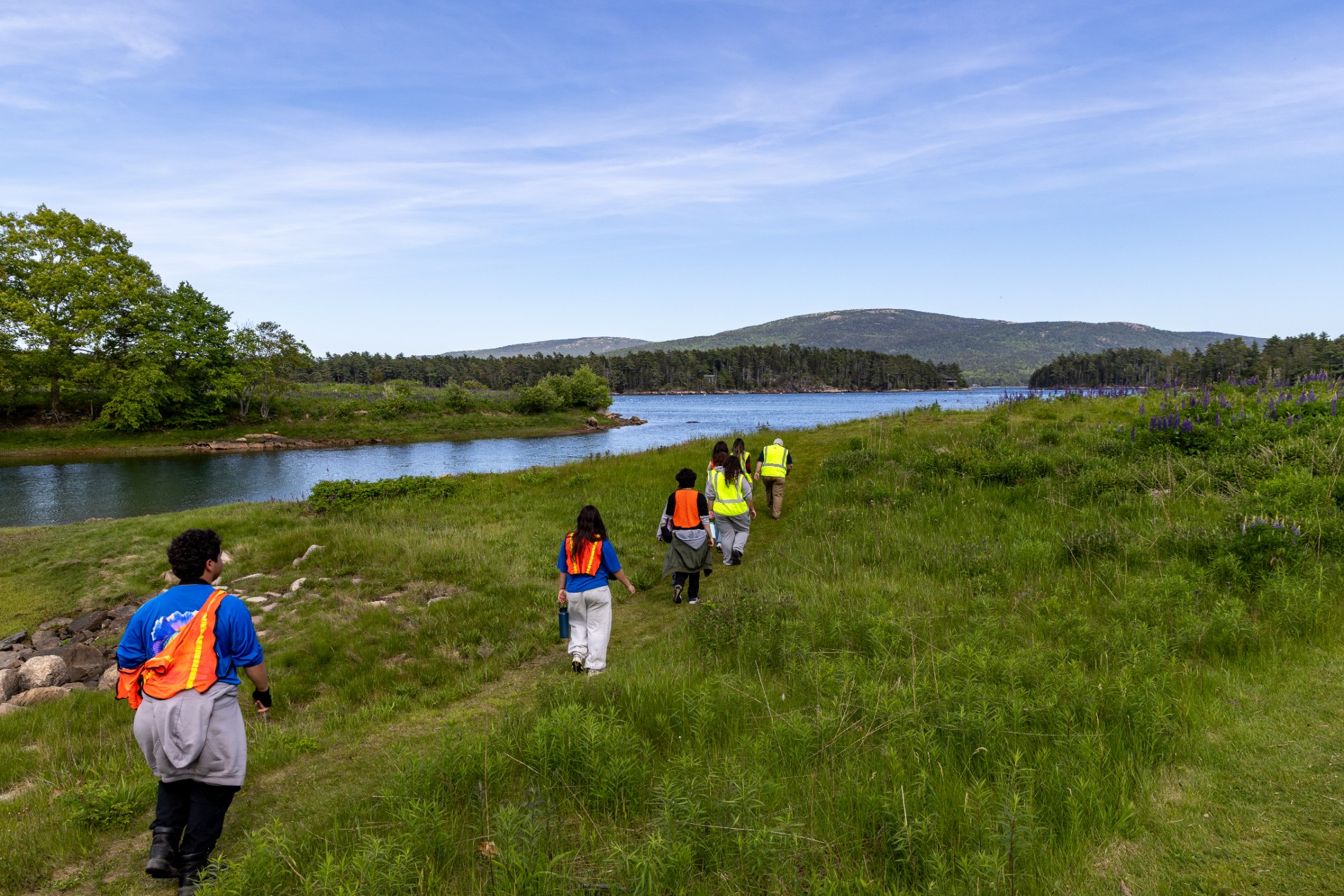
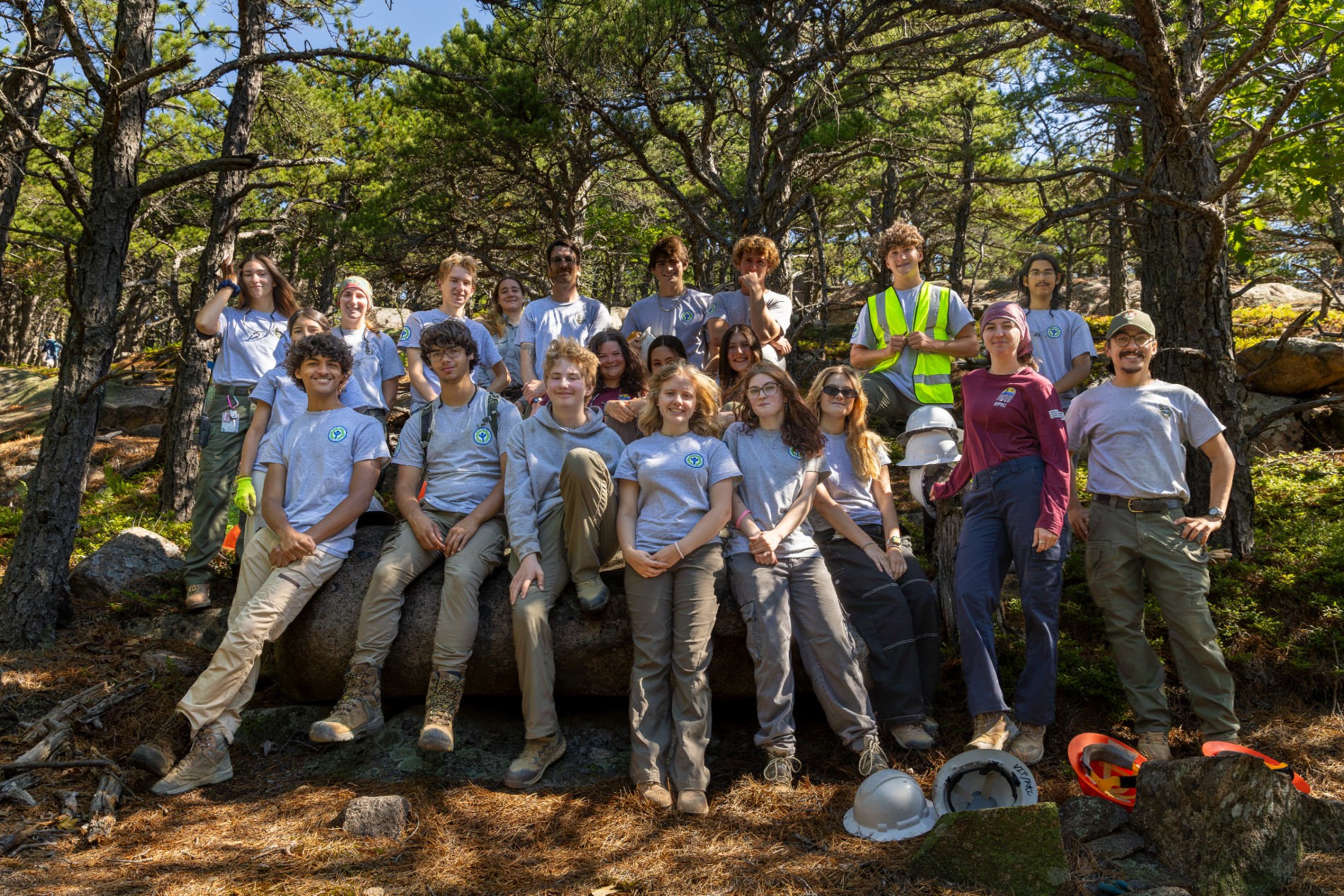
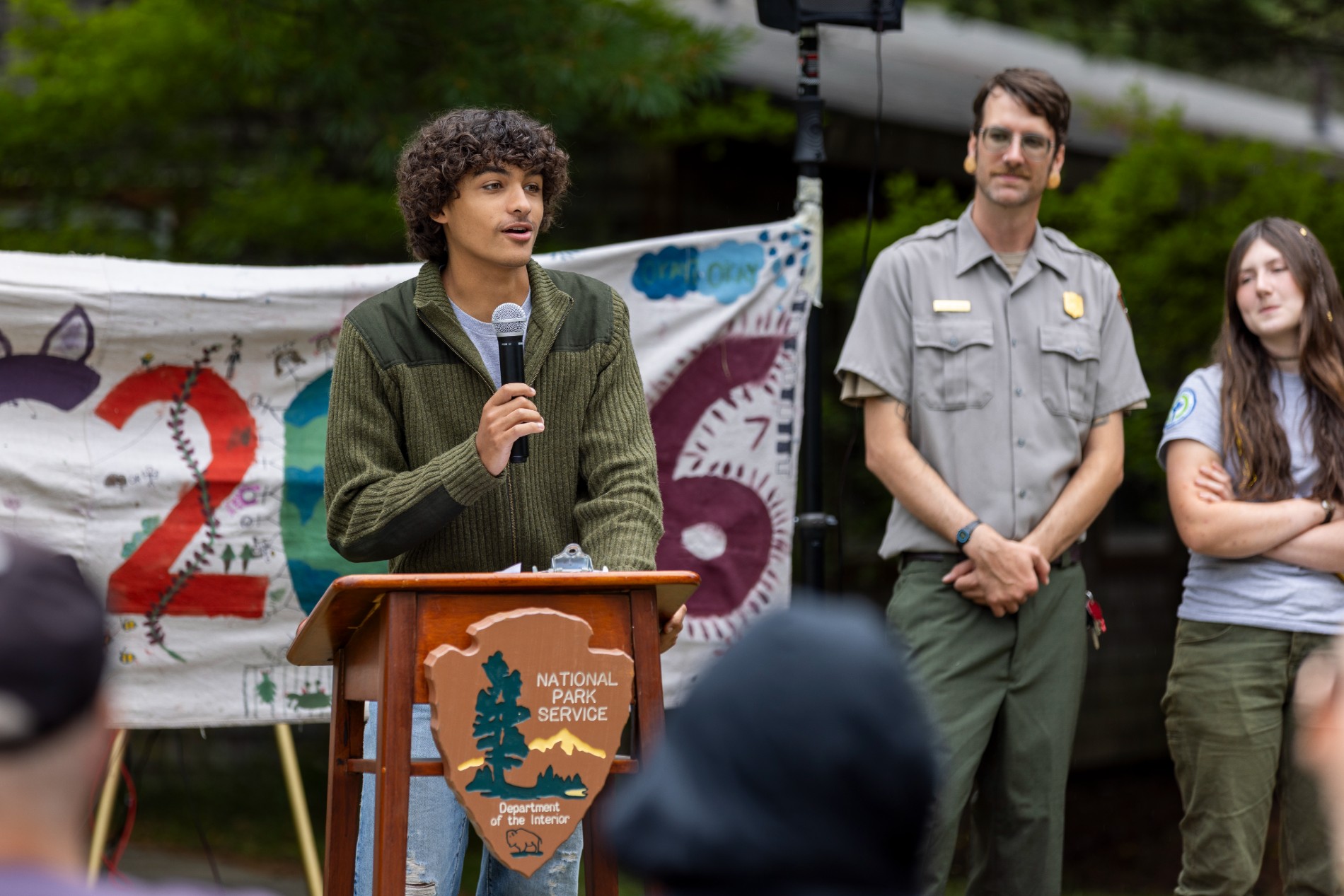
The Acadia Youth Conservation Corps (AYCC) returned after a hiatus in 2025. This long-running program employs high school students for eight weeks each summer, providing diverse experiences working alongside multiple divisions of the park.
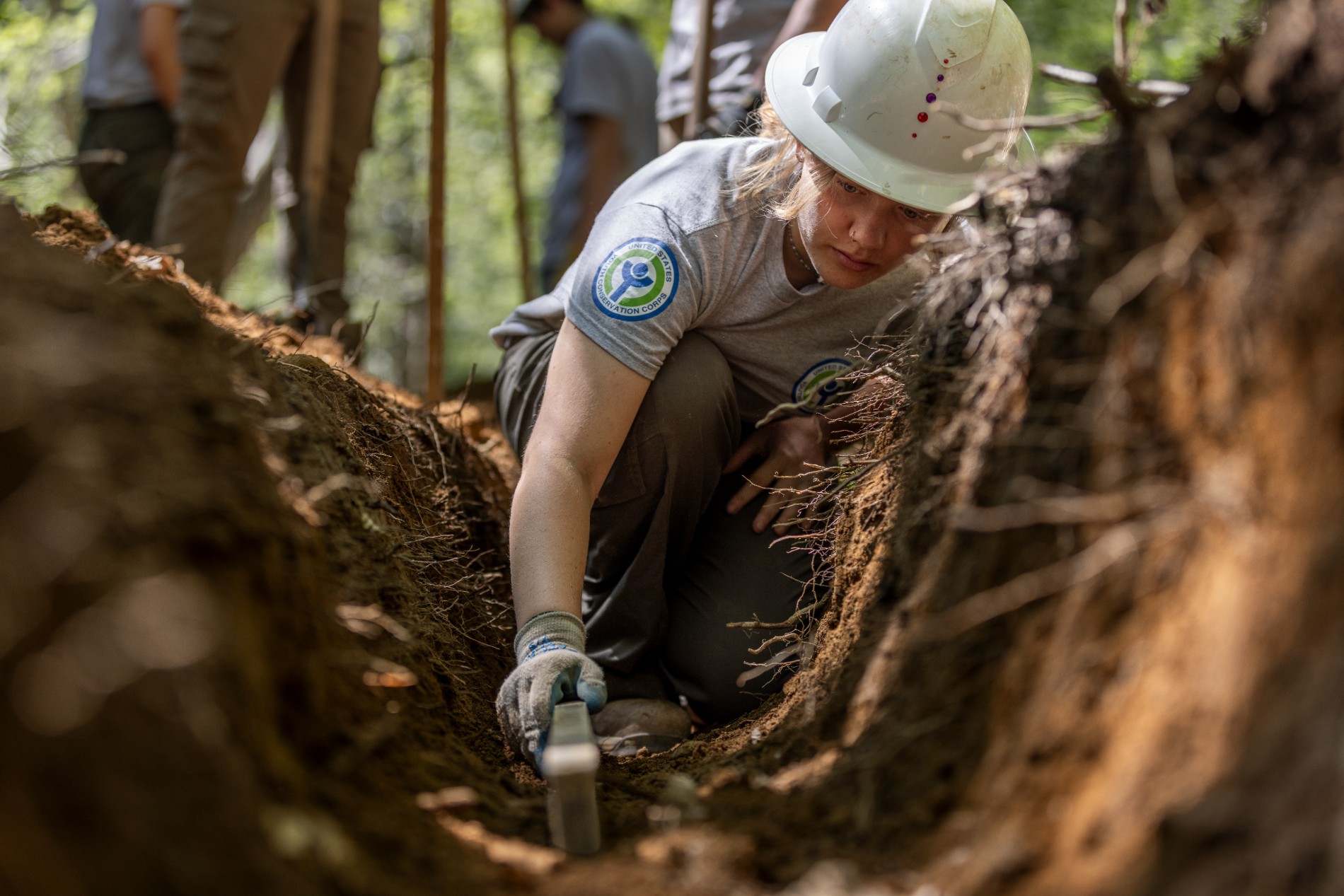
This season, the AYCC moved 950 feet of ditch and fill and installed 43 check steps and nearly 400 feet of bogwalk. They built benches, cleared drainage, and groomed footpaths.
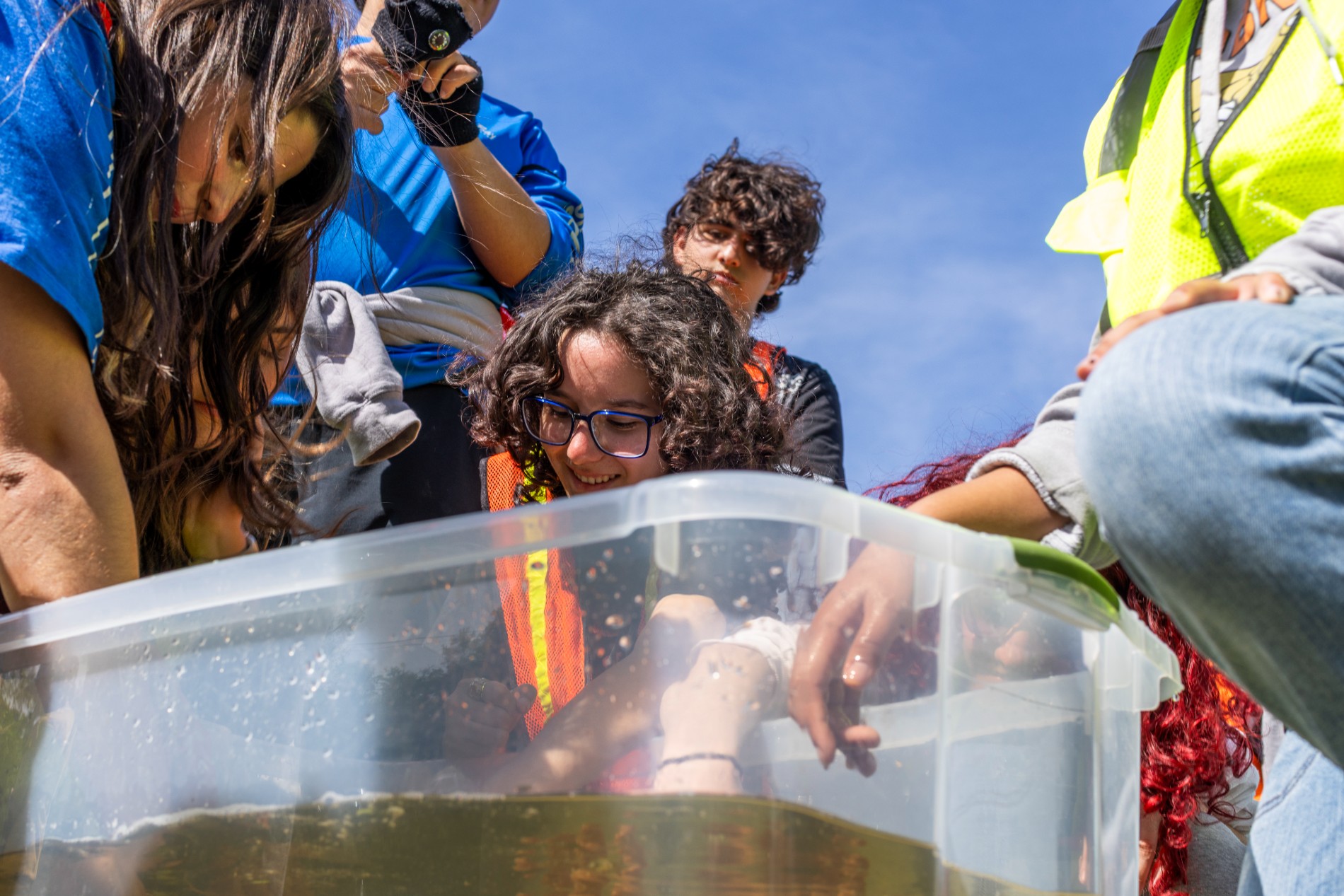
Their summer work also included a risk assessment of emerald ash borer on the park’s ash trees, surveys for nighttime amphibian activity, and preventive search-and-rescue training. They helped the air and water quality team collect data on macroinvertebrates and assisted the fire crew with fuel reduction. They learned about geology, flora and fauna, orienteering, geographic information systems, and environmental poetry.
As AYCC Program Coordinator Will Tatman noted, AYCC is also a talent pipeline, and alumni often return as Summit Stewards for Friends of Acadia or trail crew with Acadia National Park.
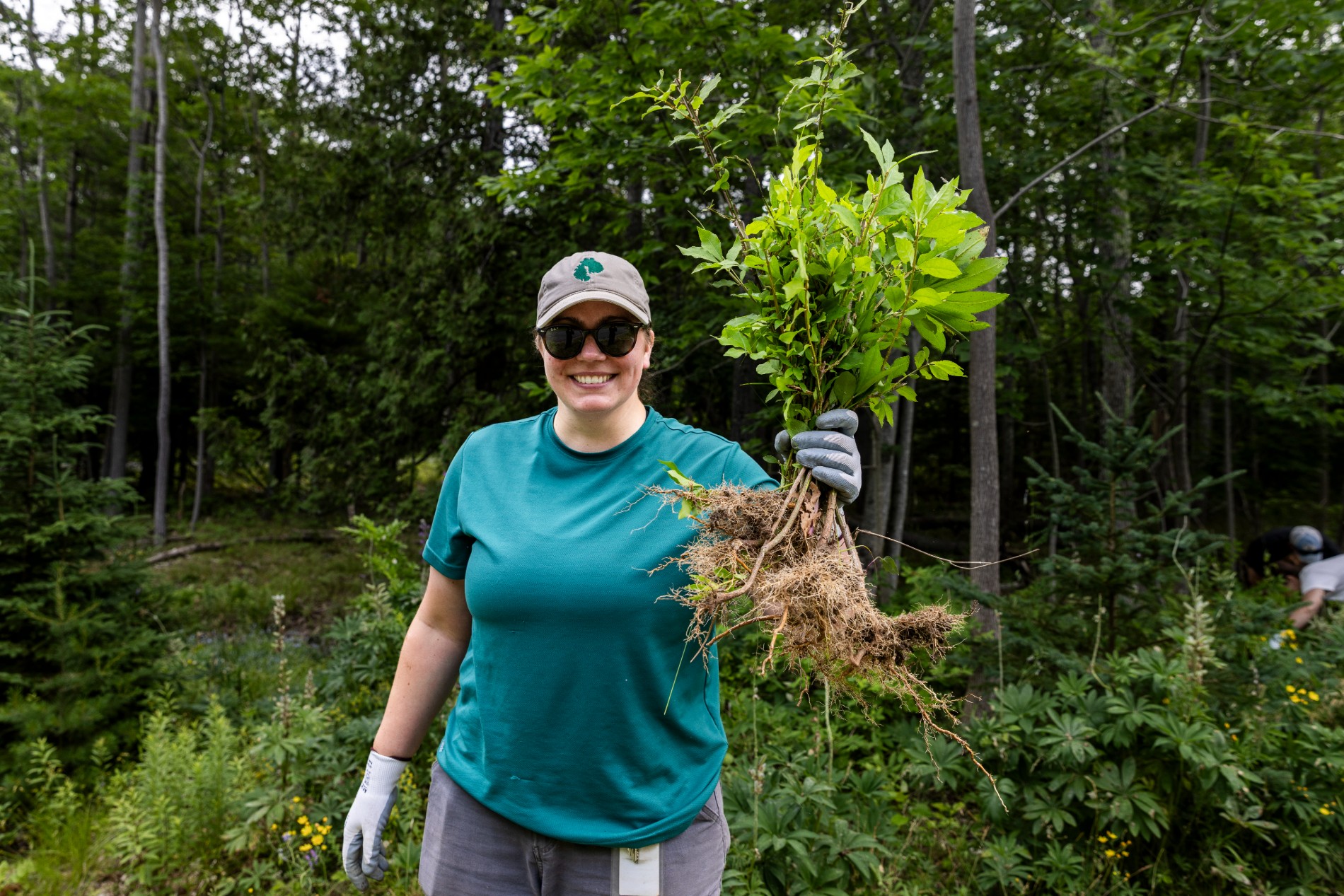
Managing invasive plants is a major concern in Acadia National Park. On Mount Desert Island, the mosaic of park lands and neighboring communities creates both obstacles and opportunities for addressing this issue collaboratively.
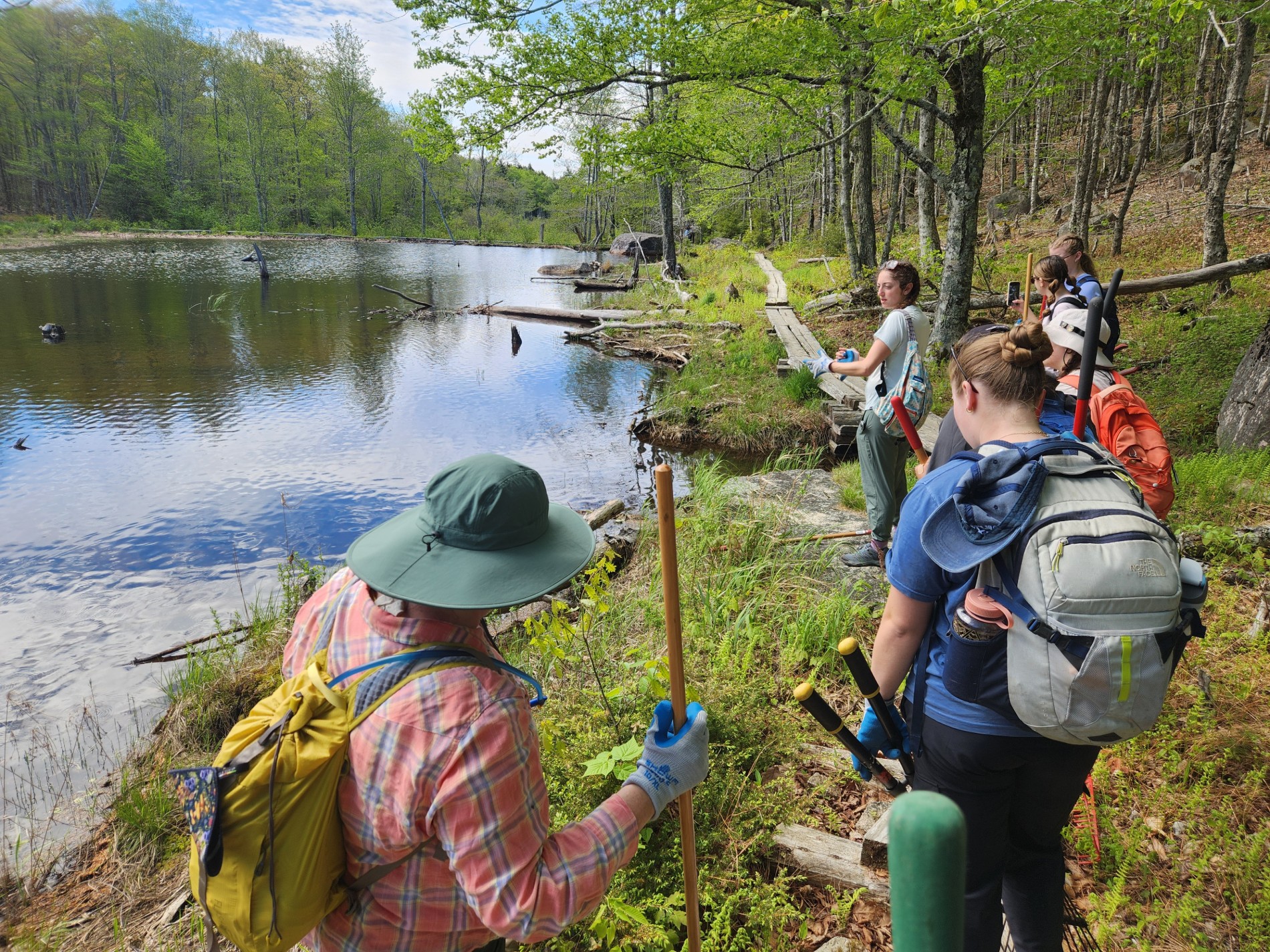
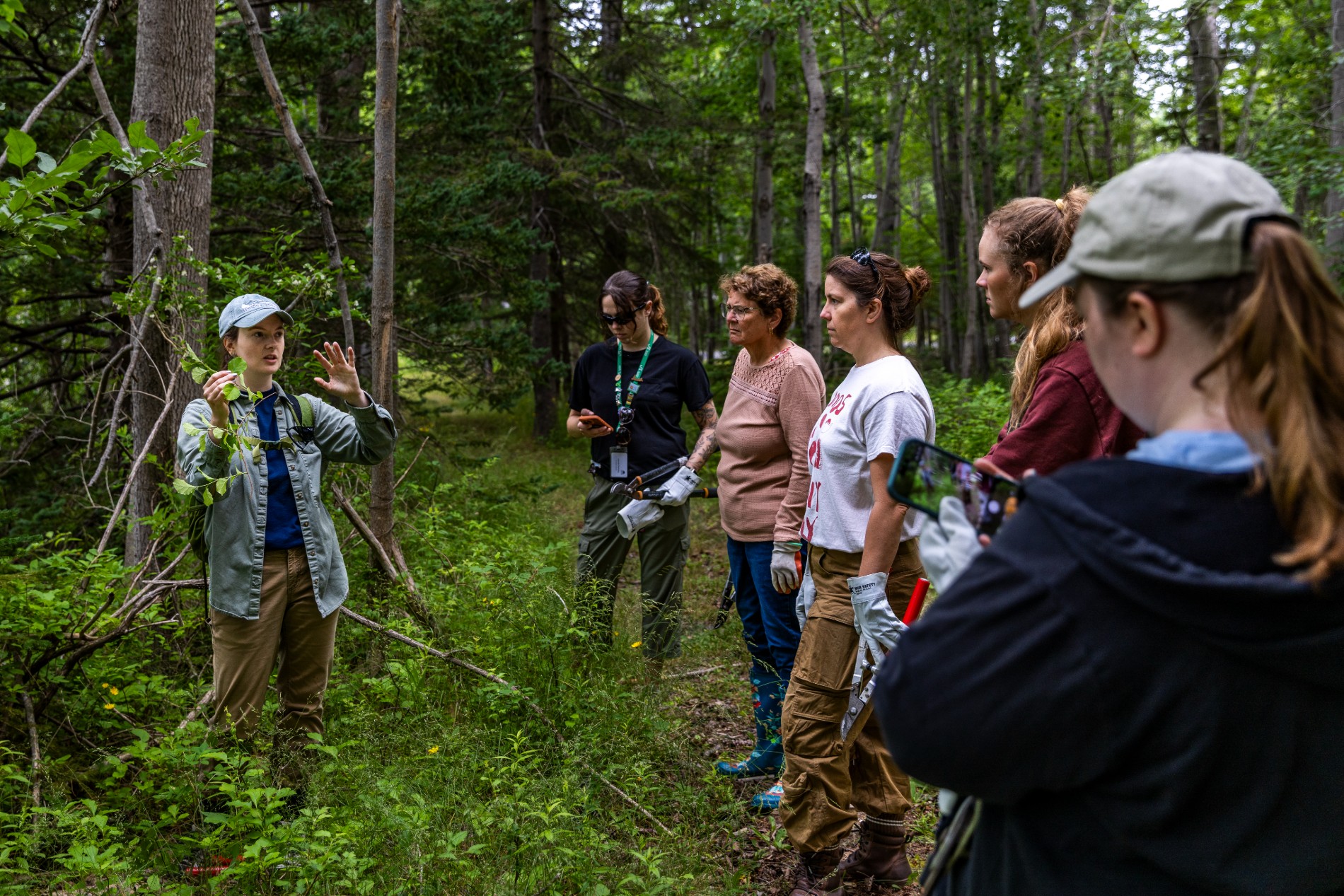
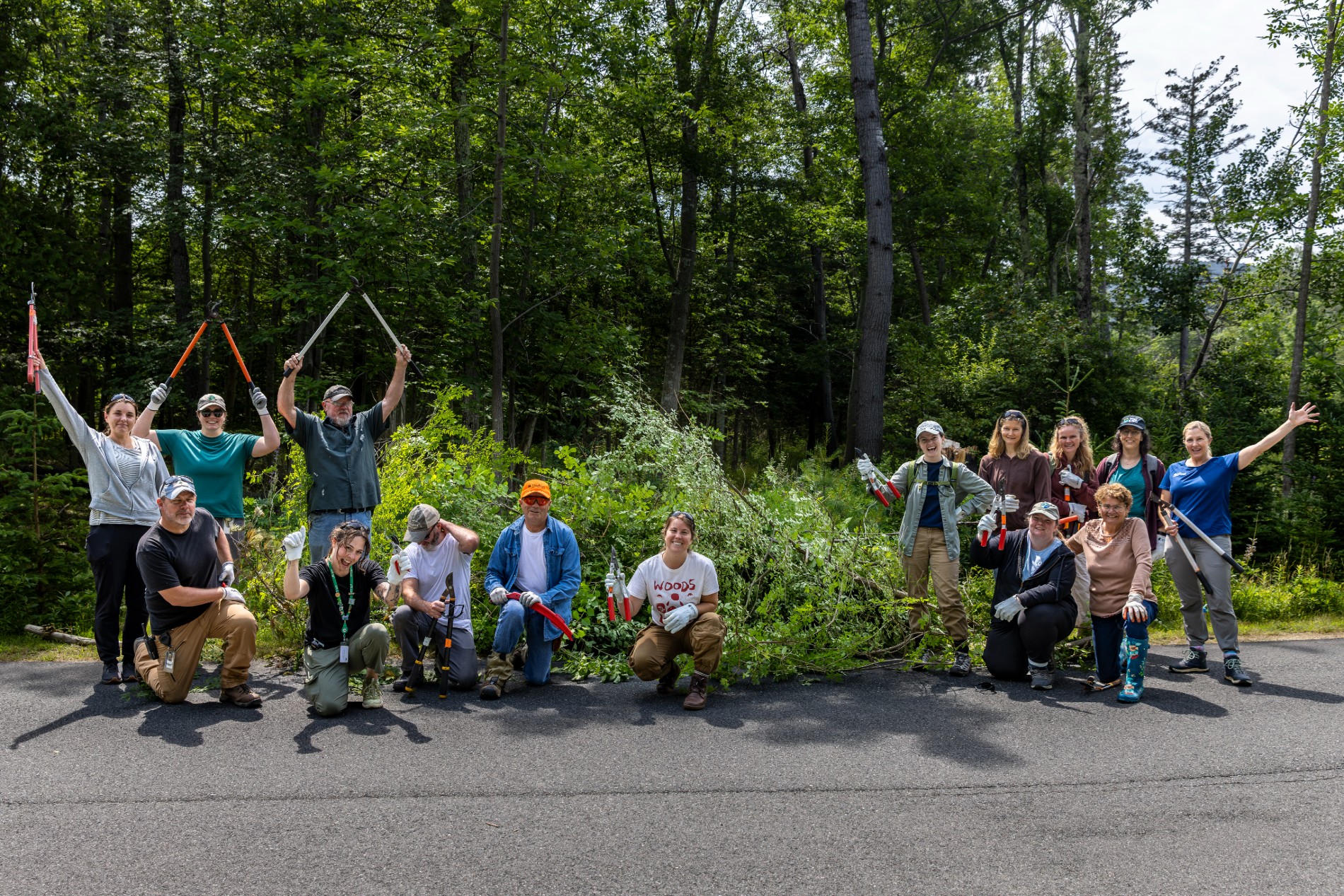
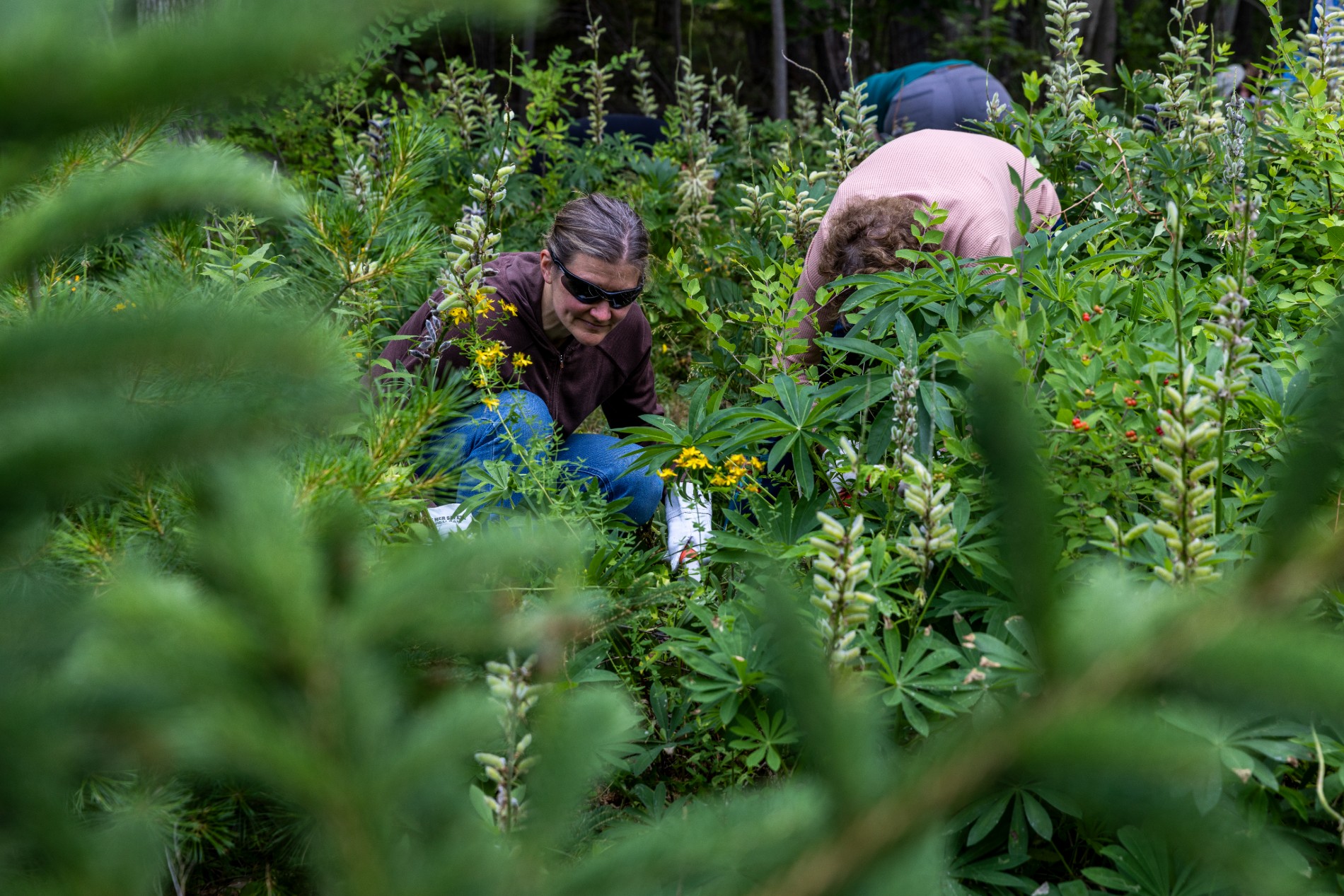
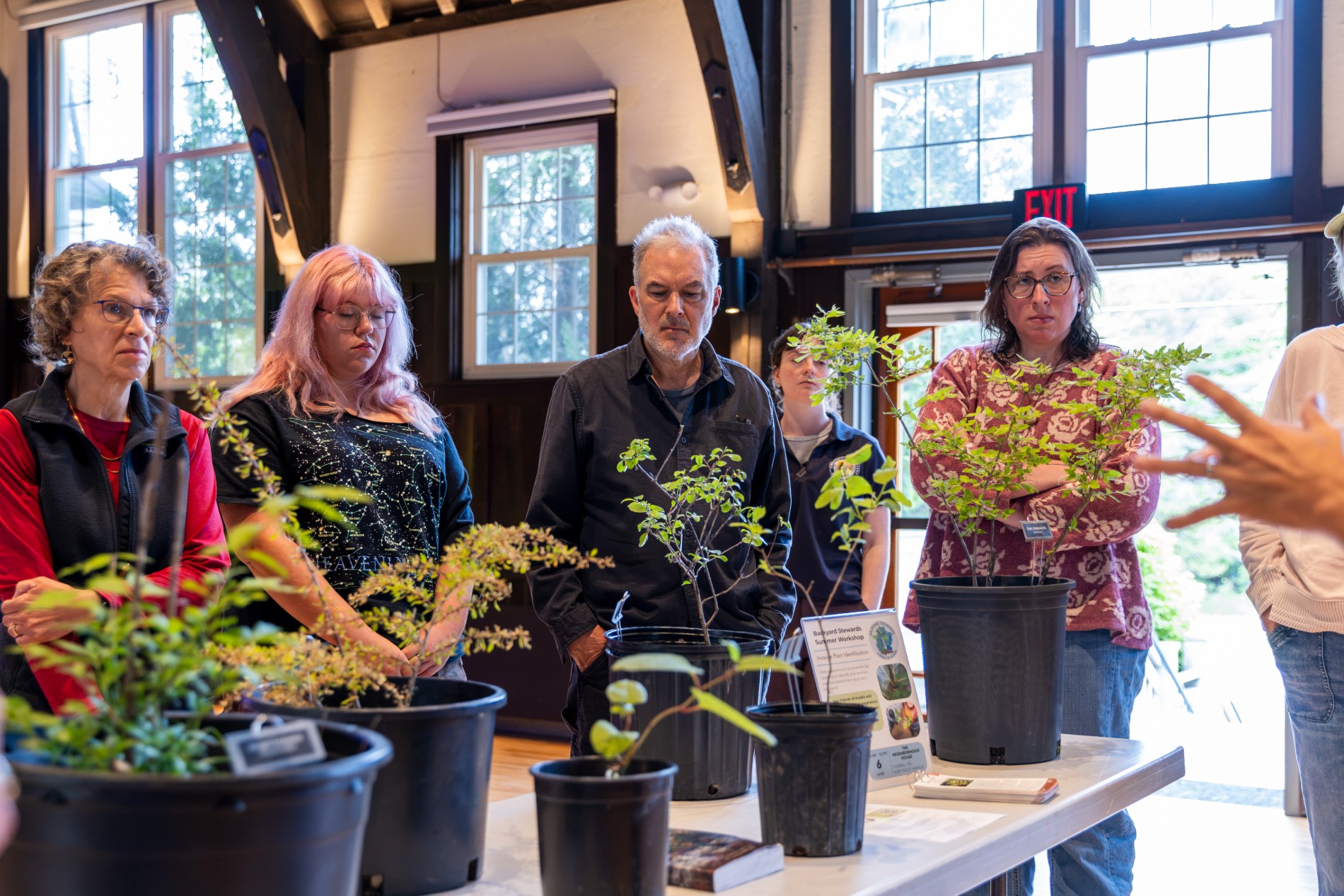
The Backyard Stewards program invites Mount Desert Island residents to take action in their own yards and communities by identifying invasive plants and removing them.
The program launched two seasons ago with online resources, including a plant identification guide for several spotlighted invasive species, information about removal techniques, and a directory of local landscapers who offer invasive plant removal services.
Led this season by Community Volunteer Ambassador Lauren Knierim, the program expanded to include in-person workshops that offered hands-on opportunities to identify and remove invasive plants. Maine Coast Heritage Trust and The Jackson Laboratory collaborated on the workshops, which were guided by the expertise of the park’s invasive plant management team.
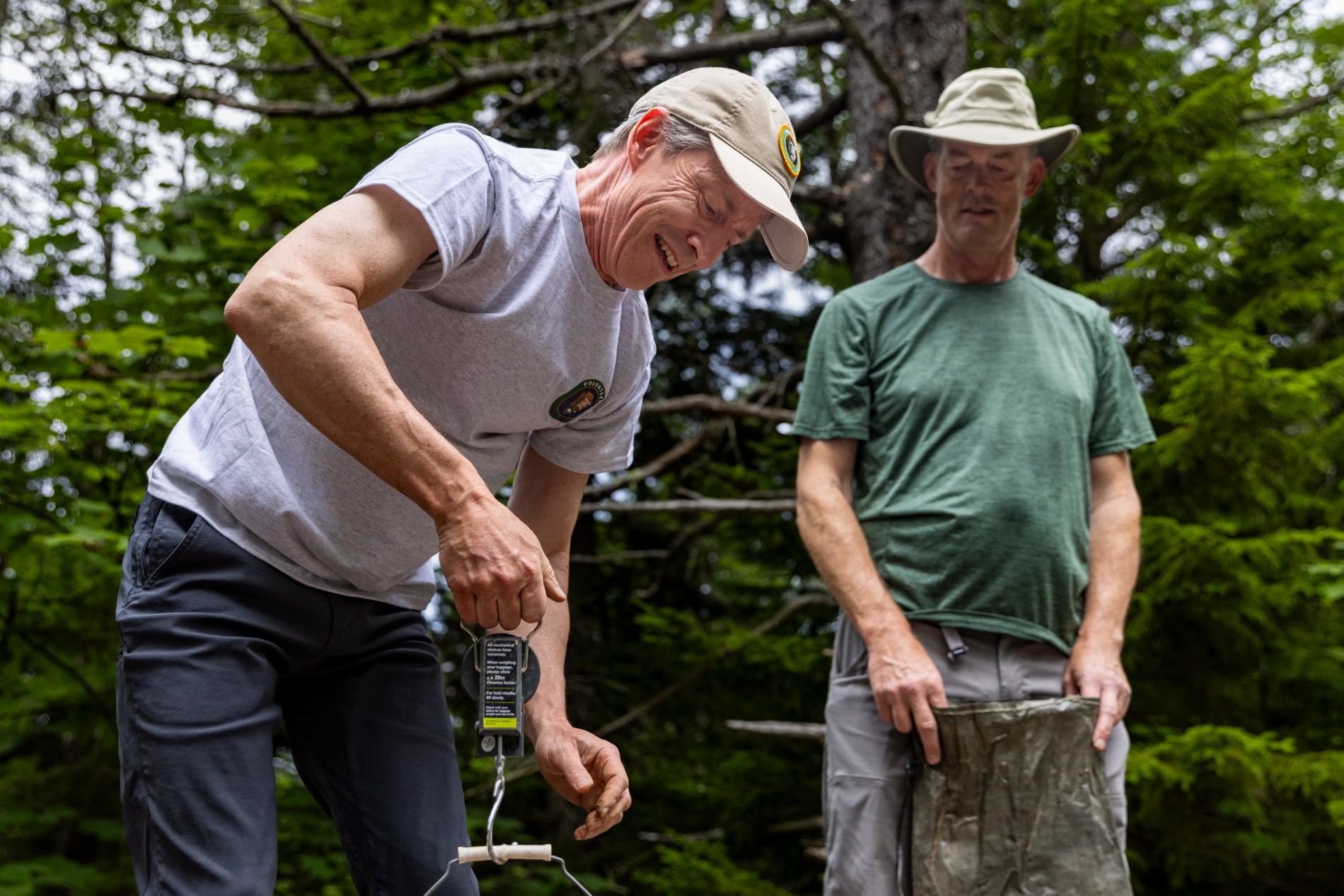
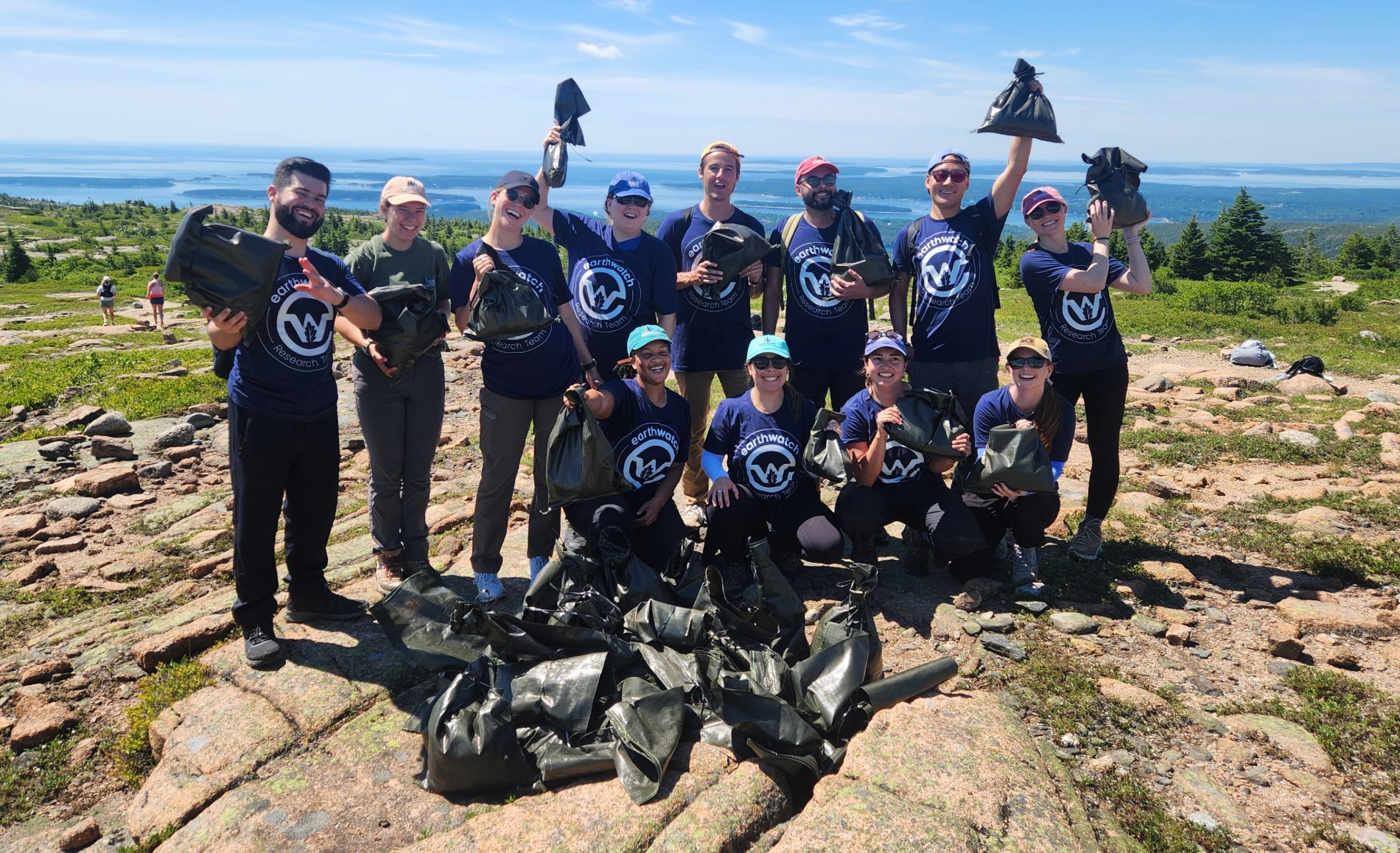
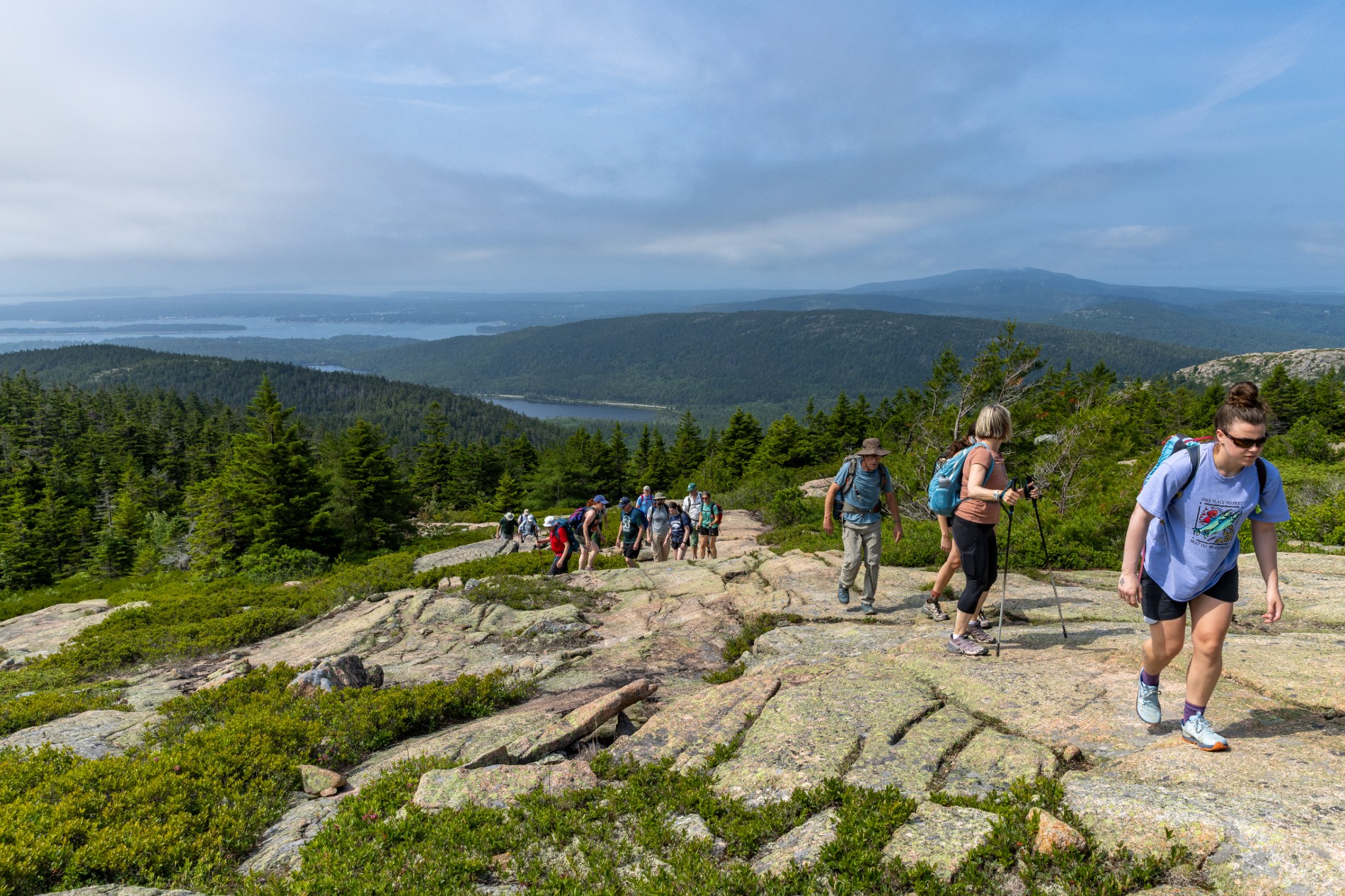
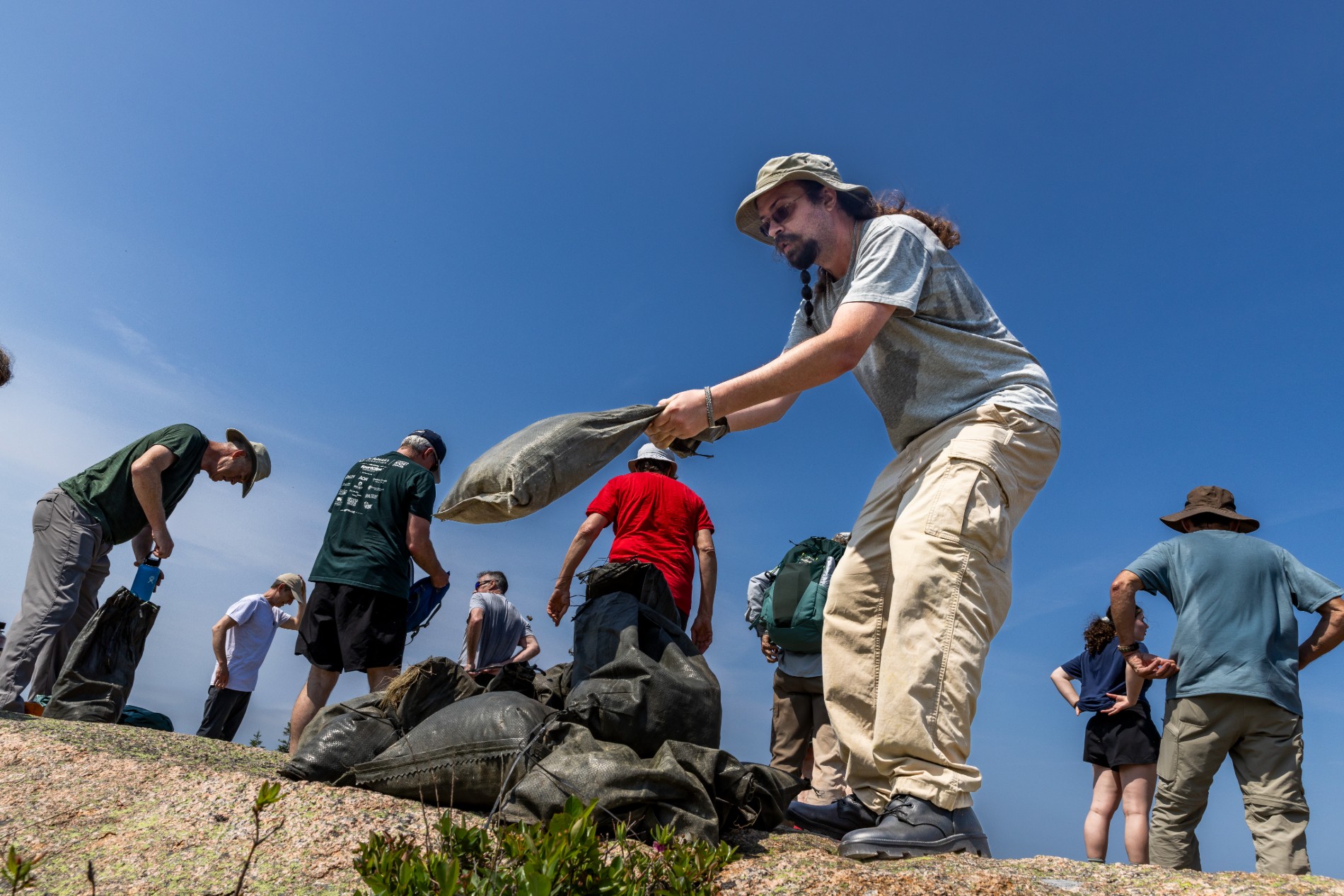
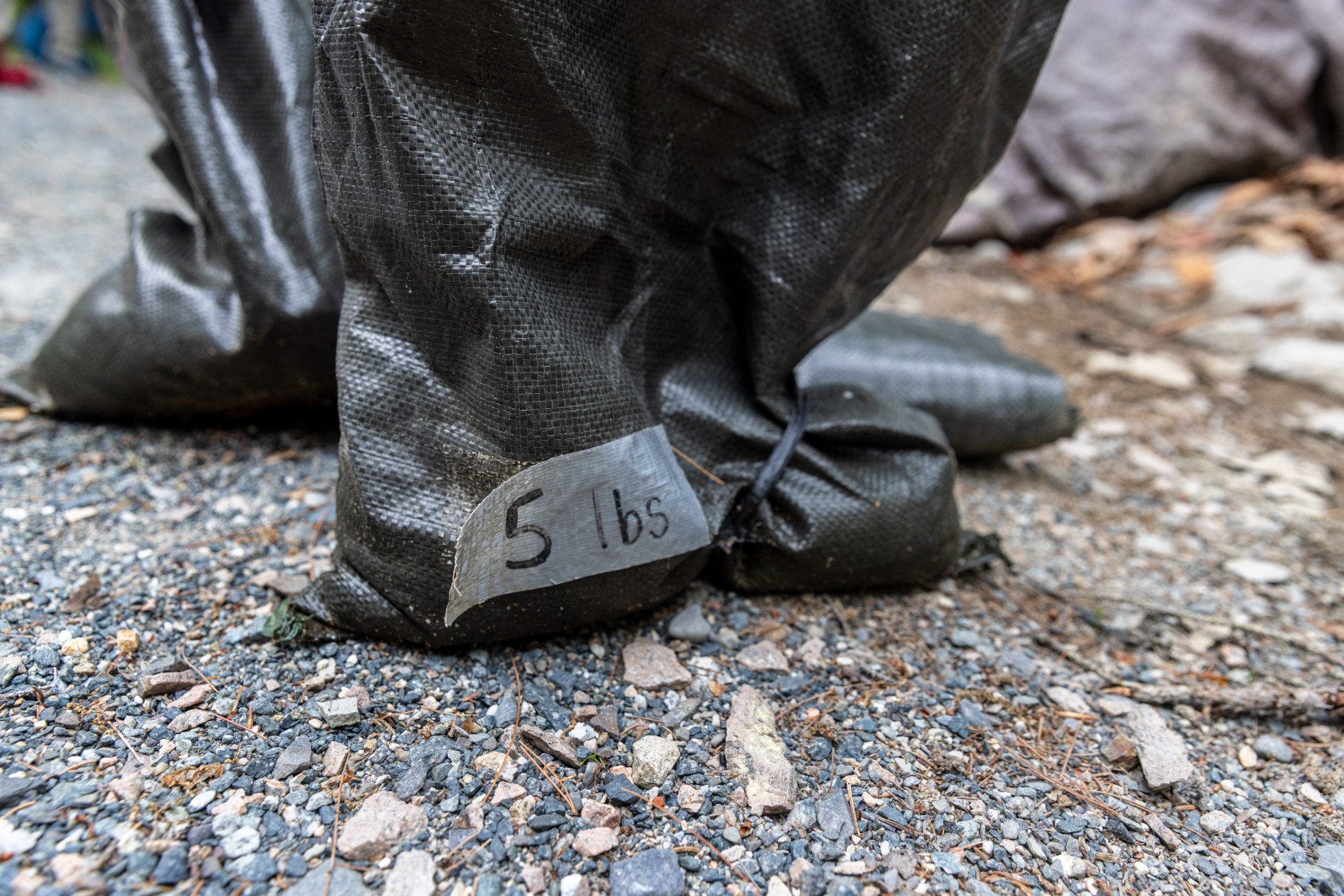
Led by Acadia National Park’s Community Volunteer Ambassador Lauren Knierim, volunteers with the Save Our Summits program carried more than 4,903 pounds (1,136 liters) of soil to the summits of Sargent and Penobscot Mountains. A partnership between Acadia National Park, Friends of Acadia, and Schoodic Institute, the program helps restore fragile summit vegetation damaged by foot traffic.